


July 24, 2024, 2:43 am | Read time: 6 minutes
Back pain, shoulder pain, imbalances–these common ailments result from our daily lives filled with too much sitting and too little movement. FITBOOK author Nina Ponath shows you the best exercises to increase your mobility. This time, it’s about a particularly common problem area: “text neck.”
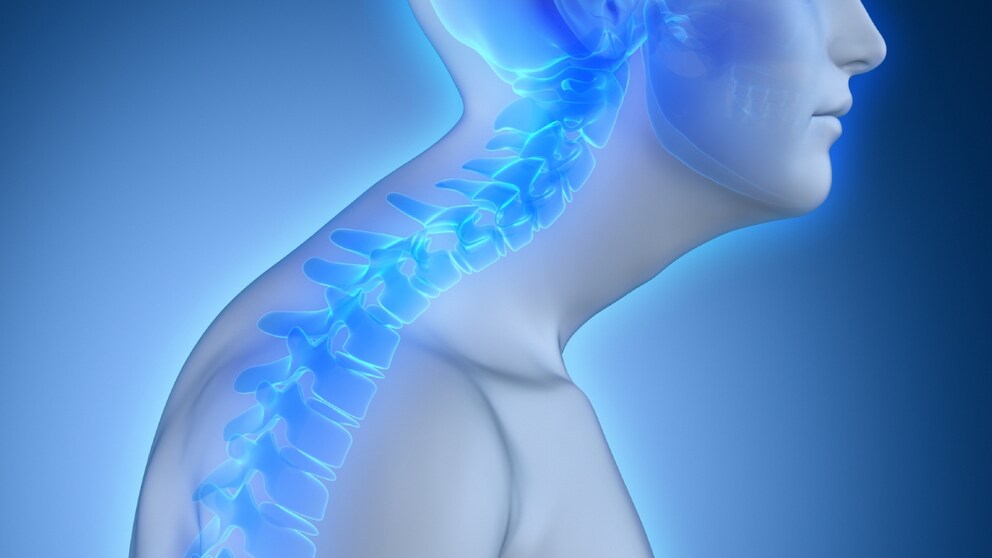
How long have you stared at your phone display today? We might not want to know exactly: According to a representative survey commissioned by the digital association Bitkom, the average usage time across all age groups from 16 years old is now around 150 minutes per day (or 2.5 hours). For younger people, the figure is even more than three hours.1 For our neck, it’s extremely critical that the head is tilted up to 60 degrees when looking at the phone. This puts up to 55 pounds of pressure on the neck. Quite a lot, which over time leads to a hunched posture and forward shoulders–also known as “text neck” or “tech neck,” formerly often called “dowager’s hump.” The correct technical term is kyphosis. FITBOOK explains which exercises can alleviate the resulting problems–neck and shoulder pain.
Follow the FITBOOK channel on WhatsApp now!
Overview
What is “text neck”?
“Text neck,” also known as “tech neck,” results from hours of staring at a smartphone or tablet screen. The shoulders are hunched forward, and the chest is slightly curved. This characteristic curvature leads to excessive strain on the neck and shoulder muscles, which can cause tension, pain, and eventually poor posture. A simple but effective solution is targeted mobility exercises that stretch the shortened muscles and open up the chest area.
Symptoms of “text neck”
- Visible hump in the upper back area
- Neck pain
- Headaches
- Shoulder pain
- Tension
- Dizziness
- Impaired breathing
What training helps with “text neck”?
The “tech neck” results from a forward-bent neck and hunched shoulders. Often, an imbalance is responsible: Constantly looking down shortens the muscles at the front of the neck and chest. The muscles in the neck and upper back are overworked and often too weak to keep the heavy head upright. To combat this poor posture, we need to train these muscles specifically. With “tech neck,” the chest muscles are also shortened, pulling the shoulders forward and intensifying the hump. This area should be stretched simultaneously.
Also interesting: The dramatic effect of smartphone use on the brain
10-Minute Workout: Mobility Flow with Fernanda Brandão

5 Pilates Exercises That Help Relieve Back Pain
Mobility exercises against poor posture
Cobra
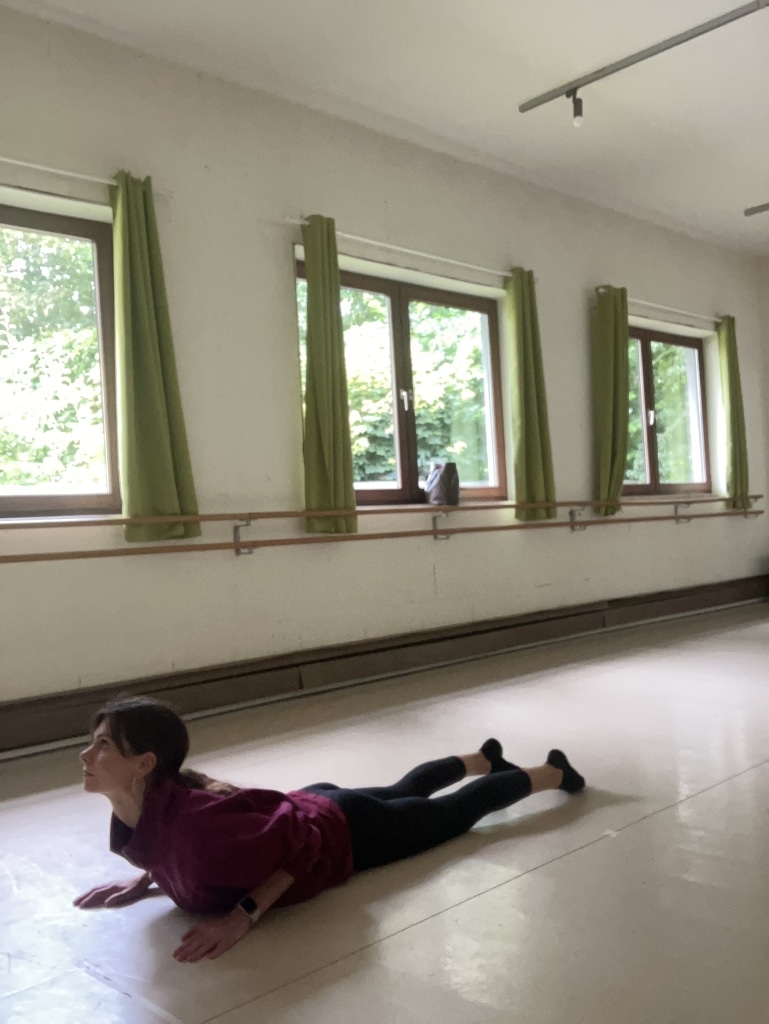
The Cobra, or “Bhujangasana,” is an effective exercise for strengthening the back and shoulder muscles. At the same time, the chest and abdominal muscles are stretched. This exercise helps improve spinal flexibility and relieve tension. Here’s how the exercise works:
- Lie flat on your stomach, legs extended, and feet flat on the floor. Place your hands under your shoulders, elbows close to your body.
- Tighten your thigh muscles and press the tops of your feet into the floor. Keep your elbows close to your body and pull your shoulder blades together.
- Take a deep breath and slowly lift your upper body off the floor as you inhale, gently pressing your hands into the floor. Use the strength of your back. Your gaze should be forward or slightly upward.
- Hold the position for a few breaths. Breathe evenly and deeply. Make sure your shoulders remain relaxed and move away from your ears. Your pelvis should stay on the floor throughout the exercise.
- Exhale and slowly and controlled lower your upper body back to the floor. Gently turn your head to the side and relax your arms next to your body.
But be careful: Keep your neck long. Your gaze should be slightly forward and down, not at the ceiling. Tilting your head back compresses the cervical spine and worsens text neck.
Cat-Cow
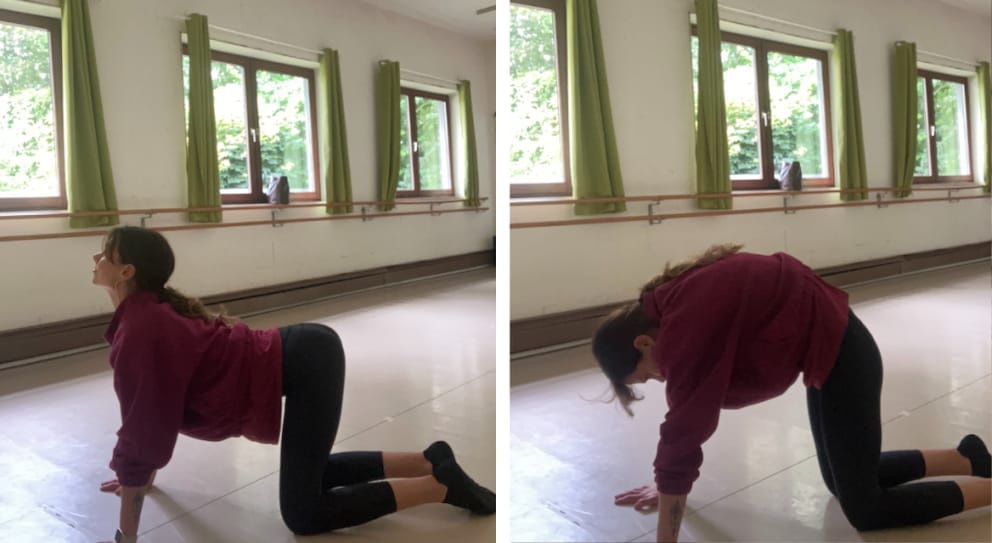
The “Cat-Cow” exercise is a simple yoga sequence that improves spinal flexibility and mobility. It helps relieve back tension and improve posture. Strictly speaking, this asana consists of two parts: the cat pose (Marjaryasana) and the cow pose (Bitilasana).
- Start on all fours. Place your hands directly under your shoulders and your knees under your hips. Fingers are spread, and toes are flat on the floor. Your back is in a neutral position.
- Exhale and gently pull your chin to your chest. Arch your back upward with your breath by drawing your spine toward the ceiling. Press your hands firmly into the floor and pull your navel to your spine to fully round your back.
- Keep your head relaxed and let go of your neck.
- Then inhale and lift your head and tailbone toward the ceiling.
- Let your belly sink toward the floor and form a slight arch in your back.
- At the same time, pull your shoulders away from your ears and direct your gaze forward or slightly upward.
- Keep your arms straight and your elbows slightly bent.
- Slowly and smoothly alternate between the cat and cow poses. Move in the rhythm of your breath.
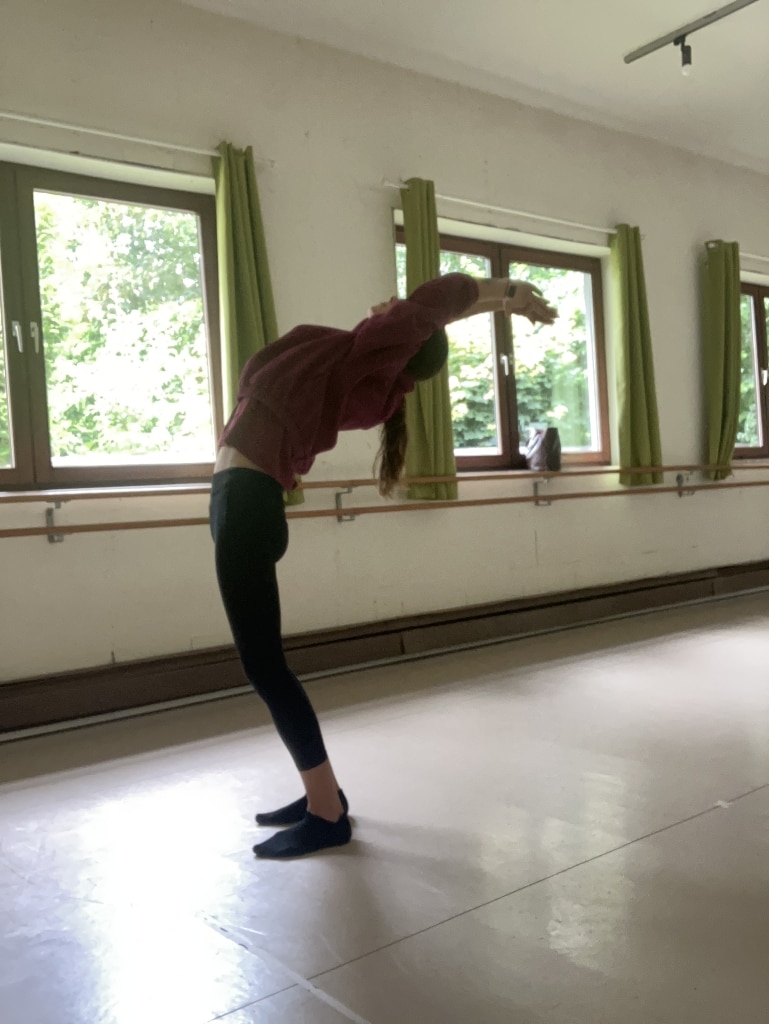
Backbend
Stretch your upper body in the opposite direction with this exercise.
- Stand upright for the backbend and let your arms hang loosely by your sides.
- Take a deep breath and raise your arms over your head until your palms touch.
- Hold the position for a few breaths, breathing deeply and evenly through your nose.
- Slowly exhale and lower your arms back to your sides. Pull your shoulders back as you do so.
Other exercises to strengthen the neck and back:
- Chin Tucks: Sit or stand upright and pull your chin horizontally back toward your throat as if trying to make a double chin. The head is not tilted but only glides backward. Hold the tension briefly and release it. This strengthens the deep neck flexors that stabilize the head.
- Plank: In this exercise, support yourself on your forearms and toes. The back is firm and stable.
Conclusion
Too much screen time is unhealthy: “Text neck” makes that more than clear. The misalignment results from the hunched posture over the smartphone and can lead to serious pain. With the right combination of posture correction in everyday life (hold your phone higher!) and targeted strengthening of the neck muscles, the head returns to its natural position.