

April 27, 2020, 5:55 am | Read time: 4 minutes
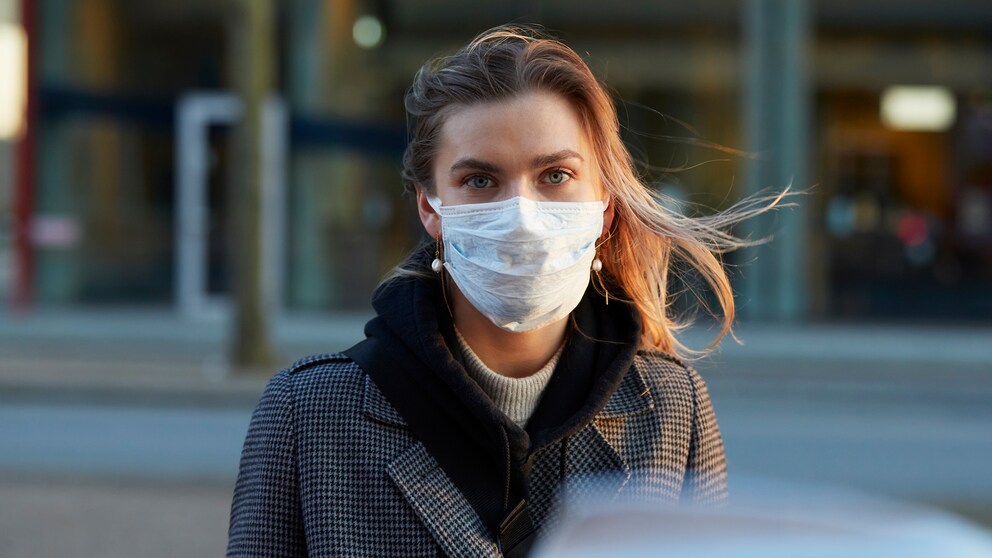
Whether it’s a face mask, FFP2, FFP3, homemade, or just a scarf–different masks help protect against the coronavirus. FITBOOK introduces the five different types of masks and explains who they are suitable for!
Masks protect at least the surrounding environment from coronavirus infection–if not the wearer themselves. Even the most professional masks do not offer a 100 percent guarantee. BUT: Even a little protection against corona is better than none! For a long time, this was doubted and dismissed in many media and by public authorities here, but common sense has mostly prevailed by now.
What types of masks are there and how do they differ–FITBOOK provides an overview.
Also interesting: Can coronaviruses be transmitted through mere breathing?
5 Types of Masks Against the Coronavirus Compared
- Scarf or Shawl: Primarily prevents infection from larger droplets; offers some protection to both the environment and the wearer
- Homemade Face Mask: Offers the wearer a little protection, but primarily protects the environment
- Face Mask (MNS): Primarily protects the environment, not the wearer
- FFP2/FFP3 with Valve: Used by hospital staff; only protects the wearer
- FFP2/FFP3 without Valve: Protects both the wearer and the environment; used by hospital staff

What helps prevent glasses from fogging up while wearing a mask?

DIY Masks Made From THIS Material Are Said to Offer the Best Protection Against COVID-19
What Does FFP Mask Mean?
In general, there are FFP masks made from hardened paper and other materials, and simple face masks made from fleece or paper. FFP stands for Filtering Face Piece. These respirators sometimes have filters, maintain some space between the mouth and nose, but fit snugly against the cheeks. FFP masks are classified into protection classes 2 and 3: FFP2 filters 6 percent of the air from coronaviruses, FFP3 up to 99 percent.
FFP masks are still not sufficiently available. Additionally, breathing with these masks can become laborious over time. Handling them is not easy, so FFP masks should primarily be reserved for trained medical personnel who are in direct contact with COVID-19 patients.
Also interesting: How to prevent glasses from fogging up while wearing a mask
Face Masks Are Simple Surgical Masks
Simple MNS masks are also known as “surgical masks.” This face mask consists of multiple layers of fabric, fleece, or paper. For a long time, the opinion persisted that these simple masks do not protect the wearer from infection.
The argument: The pores of the fabric are too large, allowing tiny viruses to pass through. However, it is clear that viruses are transmitted through droplets in the air. And these droplets, on which the viruses reside, are indeed large enough that they do not or barely pass through the pores of the cellulose. MNS masks should ideally be used only once. However, if there is no choice, these masks can be disinfected by placing them in the oven at 70 degrees for half an hour.
Also interesting: Opinion – Why we should all wear a face mask
What other alternatives to FFP and MNS are there?
If no MNS or FFP mask is available, a scarf, shawl, or homemade mask can be used. Our colleagues at STYLEBOOK explain how to do it here. As reported by experts from the comparison portal vergleich.org, a homemade mask loses its effectiveness once it becomes damp. According to the experts, it must then be replaced. Therefore, having a second mask is advisable.
To disinfect, the boil-proof cotton fabric must be washed at a minimum of 60 degrees. If time is short, ironing will suffice. As much as possible, alternative masks should be worn snugly. Additionally, the mask, scarf, or shawl should not be touched with hands while wearing to avoid possible smear infection.
And always remember: Keep your distance, disinfect and wash hands thoroughly, sneeze into your elbow without a mask, and only go out if necessary. Always adhere to hygiene and behavior rules!
Sew your own face mask? With this video tutorial from STYLEBOOK it’s no problem: