

August 10, 2025, 5:14 pm | Read time: 6 minutes
Beef tallow, also known as “Tallow Balm,” is experiencing a surprising comeback in the skincare world. It’s being celebrated on social media—but is the hype justified? Can animal fat really provide healthy, glowing skin? FITBOOK took a closer look at the trend.
What Is the Reason for the Comeback?
First: Beef tallow is the purified fat from cattle. While it may sound more like a kitchen ingredient than skincare, it has a long history in cosmetics. Centuries ago, our ancestors used this natural product to care for their skin, long before chemical cosmetics existed.
The reason for today’s comeback lies in the growing desire for simple, natural, and effective skincare products. Many people are looking for alternatives to the often lengthy and hard-to-understand ingredient lists of modern cosmetics. Here, beef tallow offers a return to basics: a pure, natural product that nourishes and protects the skin naturally.
The Benefits of Beef Tallow
Beef tallow is rich in fatty acids and vitamins essential for skin health. Notably, saturated fatty acids like stearic and palmitic acid help strengthen the skin barrier and lock in moisture. At the same time, unsaturated fatty acids like anti-inflammatory oleic acid keep the skin supple. Beef tallow has a composition almost identical to our own skin sebum, meaning it is well absorbed by the skin and provides deep nourishment without clogging pores.
Another plus: Beef tallow contains important vitamins like A, D, E, and K, which promote skin renewal, strengthen the skin barrier, and have antioxidant effects. Compared to many plant oils that oxidize faster and lose their effectiveness, beef tallow is more stable and has a longer shelf life.1
Best Integration into the Daily Skincare Routine
Beef tallow can be integrated into skincare in various ways. Whether as a rich cream for dry skin areas, a nourishing face cream, or a protective balm for rough spots, the possibilities are versatile. “For particularly sensitive or dry skin, beef tallow is a true blessing. It provides the skin with intense moisture and leaves a pleasant, non-greasy skin feel,” raves a user on Instagram.
How to Use Beef Tallow in Skincare
1. Cleansing the Skin
Before applying beef tallow, it’s important to thoroughly cleanse your skin. Use a mild cleanser to remove dirt, oil, and makeup residue. This makes the skin more receptive to the nourishing ingredients of the tallow.
2. Application on Damp Skin
The best time to apply beef tallow is right after a shower or toner, when your skin is still slightly damp. The moisture helps lock the tallow into the skin and enhances its moisturizing properties.
3. Less Is More
Beef tallow is very rich, so a small amount is sufficient. Take a pea-sized amount and warm it between your fingertips before gently applying it to the skin. Focus on particularly dry or irritated areas.
4. Gently Massage In
Massage the tallow into the skin with circular motions. This promotes circulation and ensures the product is well absorbed. Especially in the evening before bed, a relaxing facial massage can support skin regeneration overnight.
5. Versatile Application Options
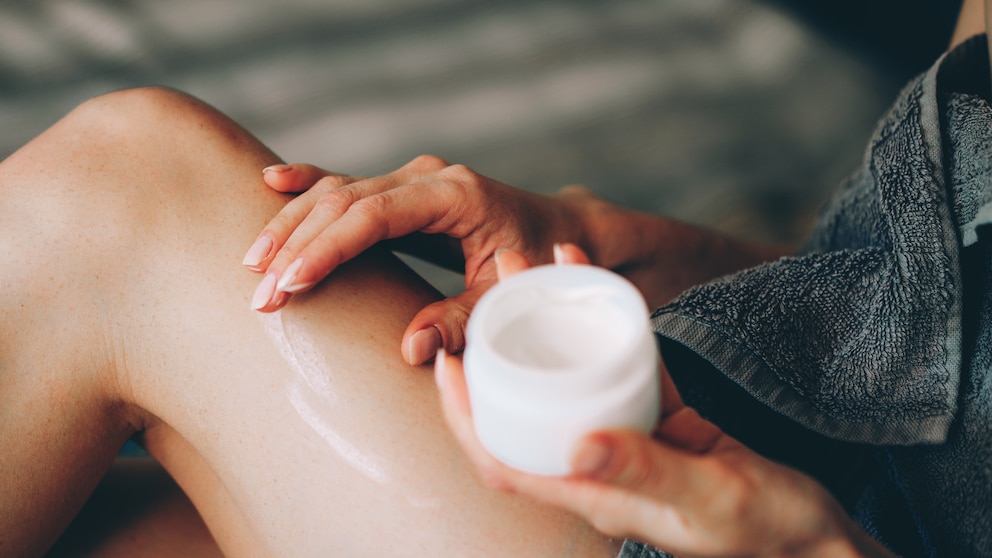
Beef tallow is not only suitable for the face but can also be used on other body parts. Particularly dry areas like elbows, knees, or heels benefit from the intensive care. It can also serve as a lip balm or hand cream.
6. DIY Options
There are numerous DIY tips on social media: You can make your own Tallow Balm by mixing melted tallow with essential oils of your choice. For example, you can add soothing lavender oil for a relaxing night care or invigorating lemon oil for a fresh start to the day. But beware: essential oils can irritate sensitive skin!
7. Regular Use
To achieve the best results, beef tallow should be used regularly. Incorporate it firmly into your daily skincare routine, especially during the colder months when the skin is often drier.
8. Combination with Other Products
Beef tallow can also be well combined with other products. Use it after a serum to lock in active ingredients through “slugging,” or as the last layer in your skincare routine to retain moisture.
9. Storage
Store beef tallow in a cool, dark place to maintain its freshness and effectiveness. With proper storage, the product is long-lasting without losing quality.
Does Beef Tallow Really Clog Pores?
A common myth about beef tallow is that it can clog pores and promote blemishes. However, this concern is usually unfounded. Since the fatty acids in beef tallow are very similar to our skin structure, it is well absorbed without blocking pores. However, it’s important to regularly exfoliate the skin to remove dead skin cells and optimize the absorption of skincare products. For acne, it’s advisable to consult a dermatologist first.

Beef Tallow in Skincare–Is the Hype Justified?

How Often You Should Wash Your Face, According to a Dermatologist
Factors That Can Make Beef Tallow Unsuitable
1. Consistency and Scent
Beef tallow has a very rich and greasy texture that not everyone finds pleasant. It can feel heavy on the skin and takes time to absorb. Additionally, some people find the natural scent of beef tallow unpleasant, even if it is often neutral or mild. This can be particularly bothersome if the product is not enriched with essential oils or other fragrances.
2. Compatibility
People with acne-prone skin might find that beef tallow clogs pores and leads to blemishes, although this is not the case for everyone. And although rare, some individuals may be allergic to animal products, leading to irritation or rashes.
3. Animal Origin
Since beef tallow is derived from animal fat, it is not a suitable option for vegans and vegetarians. Ethical concerns regarding the treatment and slaughter of animals may also play a role. Additionally, the production of animal products generally has a higher ecological footprint compared to plant-based alternatives.
4. Availability and Cost
High-quality cosmetic-grade beef tallow is not easily available everywhere. Therefore, products based on beef tallow are usually more expensive than plant-based alternatives, especially if they come from sustainable and ethical sources.
5. Slow Absorption into the Skin
Beef tallow absorbs more slowly into the skin than many plant oils, which can leave the skin feeling greasy for longer after application. This can be bothersome, especially if used during the day. Therefore, it is recommended to apply it in the evening before bedtime.
What the Dermatologist Says
In response to FITBOOK’s inquiry, dermatologist Dr. Timm Golüke explains: “Beef tallow can reduce water loss from the skin by helping to retain moisture. Therefore, it is more suitable for dry skin types, or so-called atypical skin types. For skin types prone to blemishes, it is not recommended. Also, with rosacea, one should be cautious because beef tallow can worsen symptoms. With eczema, I would also be cautious and recommend trying it on a small area first before applying it extensively.”
“It is also not advisable to combine beef tallow with other strong active ingredients like retinol, as it can enhance the effect and lead to skin irritation,” the expert adds. His conclusion: “Compared to plant-based fats or oils, one cannot say that beef tallow offers more benefits. It remains an individual decision which fats or oils one prefers.”