

December 12, 2019, 12:43 pm | Read time: 3 minutes
Studies show that the insecticide chlorpyrifos can cause brain damage to embryos in the womb even in the smallest amounts. It is already banned in Germany–yet it can be found on many imported citrus fruits. Now the EU wants to ban it.
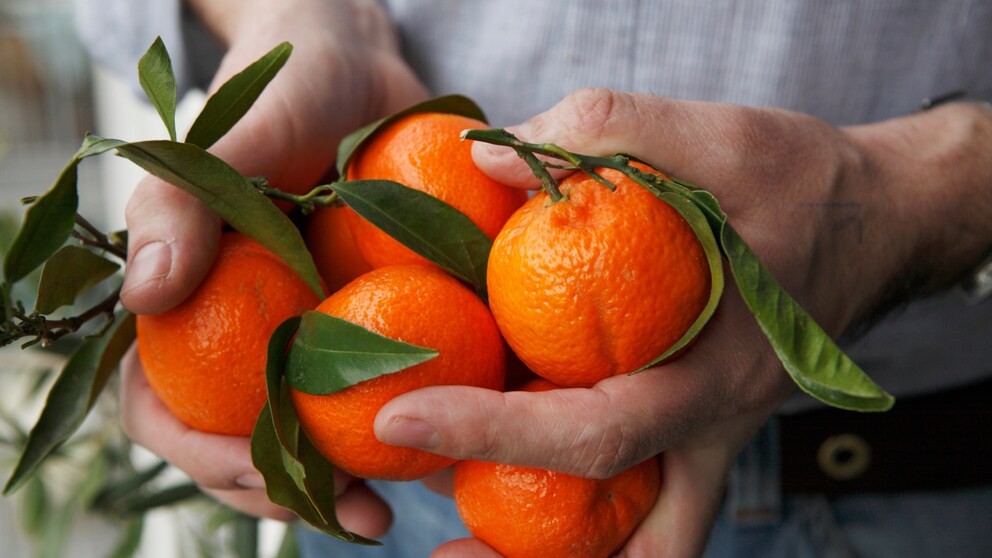
Winter is peak season for citrus fruits. Oranges, mandarins, lemons–even in Christmas pastries, the zest is often used for its delicious aroma. Chlorpyrifos can also be found on these: an insecticide you don’t want in your food.
In Germany, chlorpyrifos has been banned for some time, but it is still allowed in other European countries. These include the so-called citrus states: Spain, Portugal, Greece, Italy. There, the insecticide is often sprayed extensively. As a result, the import of these fruits brings the insecticide onto and into local fruit peels.
Why is chlorpyrifos controversial?
Various studies show that chlorpyrifos can cause brain damage to embryos in the womb even in the smallest amounts. A lower IQ is the result. Some babies showed attention disorders (ADHD). In other children, language comprehension was impaired. Scientists also suspect that the insecticide affects human genetic material. This danger is also highlighted in the statement by the European Food Safety Authority (EFSA). For this reason, the authority is also in favor of banning the insecticide.

Debate on smoking ban – how dangerous passive smoking is outdoors

How Many Mandarins Can You Safely Eat Per Day?
Is an EU-wide ban on chlorpyrifos coming?
Now the EU Commission wants member states to vote on whether the controversial insecticide chlorpyrifos should be banned in the European Union. To enact an effective ban, at least 15 member states must vote in favor. The citrus states might oppose it, as they rely on the export of their agricultural products–chlorpyrifos is undoubtedly considered a highly effective insecticide against parasites, pests, and nuisances. According to Bayerischer Rundfunk, the insecticide’s manufacturer, Corteva, stated that it disagrees with the ban. Chlorpyrifos is approved in 80 countries and has been thoroughly studied.
Also of interest: Tips for handling treated citrus fruits
Serious approval error in the past
Bayerischer Rundfunk also reported on serious errors by the EFSA or its predecessor agency in the previous approval of chlorpyrifos. Part of the approval application was an unpublished study by the manufacturer of chlorpyrifos. This was based on raw data that clearly indicated health risks from the insecticide. However, this was overlooked in the study. The approval authority failed to check the critical data from the manufacturer’s study.