

October 29, 2026, 1:14 pm | Read time: 4 minutes
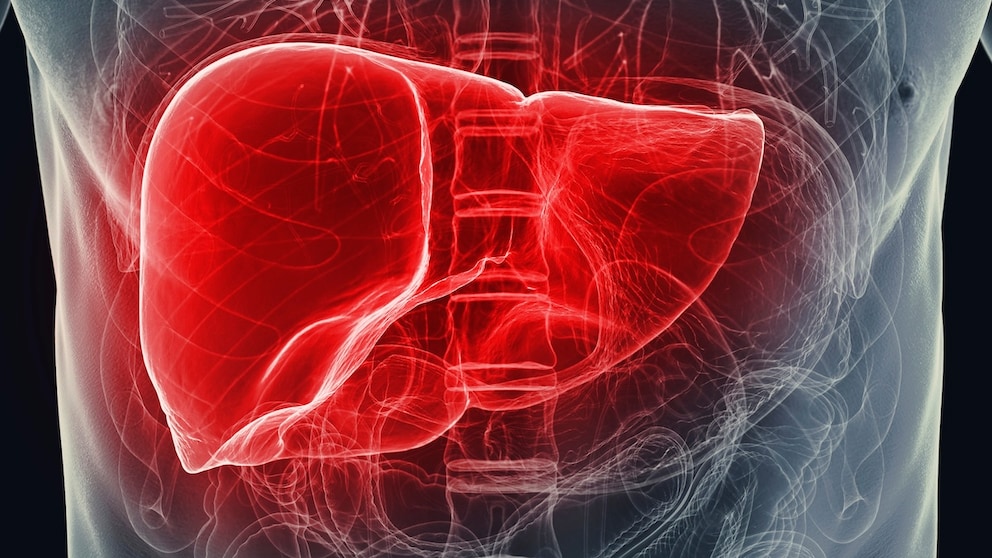
Few organs do more and complain less. The liver works around the clock, filtering toxins from the blood, storing energy, and even regenerating itself. Precisely because the liver is so efficient, problems are often only recognized when damage has already occurred. It suffers silently. Experts therefore warn against taking vague symptoms lightly.
“The liver forgives a lot,” says Prof. Frank Tacke, director of the Department of Hepatology and Gastroenterology at Charité Berlin. He is considered one of the most renowned German liver experts internationally. However, the organ can also sustain damage unnoticed–and develop into what is known as fatty liver.
Early Warning Signs Are Often Overlooked
The liver is the body’s central metabolic organ. It stores excess energy from sugar, sweets, soft drinks, or snacks in the form of fat. This process can occur over many years or even decades.
The tricky part: The first signs of fatty liver are often not very clear. Affected individuals often feel tired, fatigued, or less productive. Sometimes there is a feeling of pressure or pulling in the upper abdomen.1 Because these symptoms can have many causes, the disease often goes undetected. Yet fatty liver has long been a common condition. Estimates suggest that 25 to 30 percent of Germans have a fatty liver without knowing it.
Why Fat in the Liver Can Be Dangerous
Not every fat deposit immediately leads to severe consequences. It becomes problematic when harmful fatty acids develop from the stored fat. Prof. Tacke explains: “This results in harmful components of these fat deposits.” The consequences affect the entire metabolism of the liver.
As a reaction, inflammation can develop, known as fatty liver hepatitis (MASH). To limit the inflammation, the body deposits connective tissue. This leads to scarring of the liver, known as fibrosis. Over time, liver cells die, “and the liver loses functionality,” says Prof. Tacke.
If the disease progresses further, cirrhosis of the liver can develop. The organ is then extensively scarred. At the same time, the risk of liver cancer increases, and in the worst case, organ failure threatens.
These Skin Changes May Indicate Advanced Liver Cirrhosis
Not just alcohol! 6 things that are harmful to the liver
Exercise Helps the Liver Break Down Fat
The good news: A fatty liver can recover. The organ has various mechanisms to get rid of stored fat. On the one hand, the liver can burn fat directly in its cells. On the other hand, it packages fat particles into small transport units and releases them into the blood. There, they can be used by the muscles as an energy source.
The prerequisite for this, however, is that the body actually needs the energy. Regular exercise, active muscles, and a lower calorie intake promote this process.
Unlike belly fat, liver fat often disappears relatively quickly. The liver is not designed to serve as a permanent fat depot. If the constant energy surplus is stopped, the organ can often regenerate remarkably well.
What Really Benefits the Liver
Those who want to protect their liver should pay attention to three main factors:
- Reduce weight,
- be physically active, and
- avoid alcohol as much as possible.
Even a weight loss of about ten percent can help significantly reduce the fat content of the liver. A protein-rich diet with as little sugar as possible is also recommended. Experts also advise at least 150 minutes of exercise per week, such as brisk walking or cycling.
Alcohol puts additional strain on the liver. It promotes fat storage and also provides many calories. Most importantly: If a fatty liver is detected early, there is a good chance of complete recovery of the organ. This is precisely why it is worthwhile to pay attention to subtle warning signs and have liver health checked regularly.