


July 1, 2024, 11:13 am | Read time: 4 minutes
It sounds crazy: Exercise boosts the production of cannabis-like substances in the body. Researchers at the University of Nottingham have tracked down the body’s own “high,” which can apparently measurably reduce painful inflammatory processes. Interestingly, it is not produced in the brain–but in the gut. And this happens within just a few minutes.
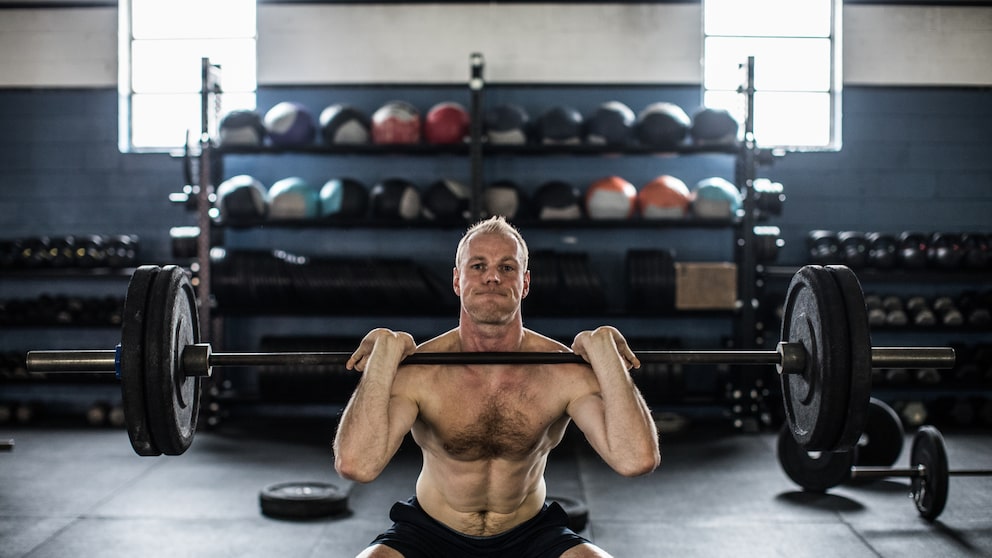
Why do you feel so good after a workout? The answer isn’t just the much-praised endorphins, but primarily the increased levels of endocannabinoids. These are produced by the microbiome in the gut during exercise and, like their relative cannabis, relieve pain. At the same time, they have anti-inflammatory effects and may even help prevent heart disease and cancer.
Follow the FITBOOK channel on WhatsApp now!
Overview
Why a poor microbiome can trigger painful inflammation
Research has increasingly shown over the years how relevant the microbiome is to our well-being and health. When the bacteria in our gut become imbalanced, especially due to a decrease in diversity, diseases can develop. Chronic inflammatory bowel diseases (IBD) such as Crohn’s disease, ulcerative colitis, or irritable bowel syndrome are already linked to changes in the microbiome. Currently, research is exploring a connection between an excess of “unhealthy” microorganisms and the development of colon cancer–if this suspicion is confirmed, it will significantly change therapeutic approaches.1
A condition resulting from an imbalanced microbiome is the so-called leaky gut syndrome. In this condition, unwanted substances enter the bloodstream, prompting the immune system to activate defense cells in the intestinal lining. The irritated intestinal cells, in turn, cause unpleasant symptoms due to inflammatory processes.
Possible symptoms and secondary diseases of leaky gut syndrome and its inflammatory markers include–in addition to increased susceptibility to infections, food allergies, food intolerances, and autoimmune diseases–extremely painful inflammatory joint diseases, as researchers at the University of Nottingham have found.2 In the most common form, rheumatoid arthritis, genetic factors, viruses, and certain bacteria were previously suspected as triggers.
Researchers found endogenous cannabinoids in arthritis patients after exercise
Rheumatologist Amrita Vijay and her colleagues discovered that people with arthritis not only experienced less pain after exercise. The researchers also found lower levels of inflammatory markers in their gut microbiomes. The study was published in 2021 in the journal “Gut Microbes.”
For their study, Vijay and her team recruited 78 people suffering from knee osteoarthritis. In knee osteoarthritis, the protective cartilage layer in the joint becomes thinner, leading to severe pain and limited mobility. Half of the participants performed muscle-strengthening exercises for 15 minutes daily for six weeks. The other (control) group did not.
What is the difference between arthritis and osteoarthritis? Arthritis refers to inflammatory processes in the joints. Osteoarthritis is a wear-and-tear process of the cartilage or joint. Osteoarthritis can lead to arthritis.
At the end of the study period, those who exercised not only reduced their pain. Their gut microbiomes also contained more microbes that produce anti-inflammatory endogenous cannabinoids.
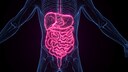
Symptoms Indicating Leaky Gut Syndrome–and Potential Subsequent Diseases

Do You Have Osteoarthritis? What to Watch for in Your Diet
15 minutes of exercise a day are apparently enough to measurably reduce inflammation in the body
Also interesting: Rheumatism – causes, symptoms, and treatment
The “intoxicating” gut microbes are a bacterial strain called SCFAS. According to the study, at least one-third of the microbiome’s anti-inflammatory effect was actually due to the increase in endocannabinoids. This means that just 15 minutes of exercise a day was enough to measurably reduce pain and inflammation in the body. “Our study clearly shows that exercise increases the body’s own cannabis-like substances. This can have a positive effect on many conditions,” explained Dr. Amrita Vijay in a university statement.3
Researcher: Exercise has the same effect as CBD oil
For the scientist, the finding is also interesting because cannabinoid-based oils, such as CBD oil, have become increasingly popular as a gentle pain reliever and lifestyle product. But this external influence is not even necessary. “As interest in cannabidiol oil and other supplements grows, it’s important to know that simple things like exercise have the same effect.” The study also highlights the importance of taking antibiotics only in emergencies, as they can disrupt the microbiome–even in the long term.