


August 29, 2025, 11:47 am | Read time: 4 minutes
Millions of people take painkillers like ibuprofen or acetaminophen daily—sometimes in addition to antibiotics. But a new study shows that this combination could unknowingly contribute to the development of dangerous resistant bacteria. The risk is particularly high in nursing homes, where many elderly people receive numerous medications daily. This raises a pressing question: Do common drugs like ibuprofen contribute to global antibiotic resistance?
Until now, the focus on resistance has been on the generous use of antibiotics. But what about other common medications? Researchers from the University of South Australia and the University of Adelaide investigated whether medications frequently used in nursing homes—including ibuprofen and acetaminophen—promote the development of antibiotic resistance in Escherichia coli (E. coli). These gut bacteria are particularly responsible for intestinal and urinary tract infections.1
9 Medications Under Scrutiny
The study examined whether certain common medications, alone or in combination with the broad-spectrum antibiotic ciprofloxacin, increase the mutation rate of E. coli and thus favor resistance development. The focus was on realistic dosages of the medications as they occur in the human gut, especially in older people with polypharmacy (regular intake of many medications).
The following medications were examined in detail:
- Acetaminophen: pain reliever and fever reducer
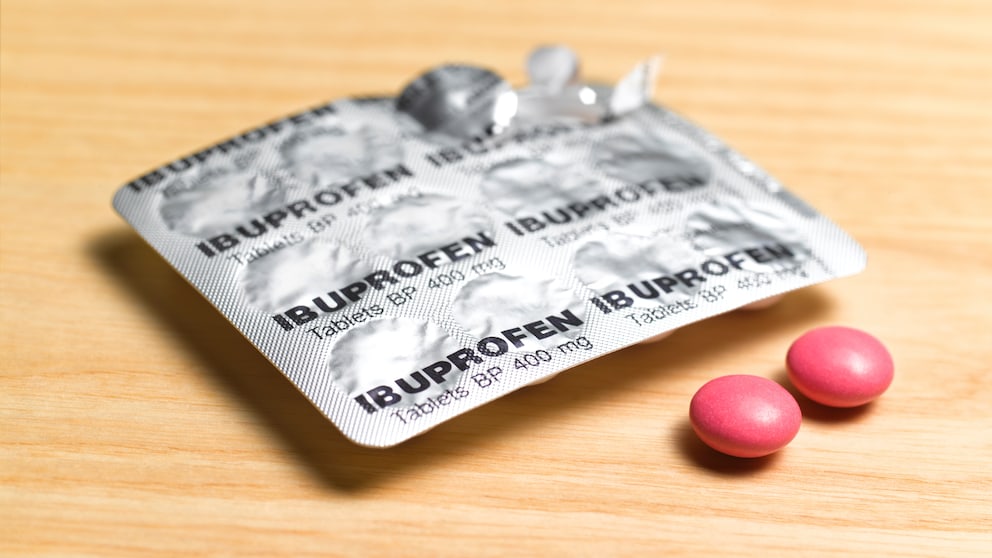
- Ibuprofen: anti-inflammatory pain reliever
- Diclofenac: anti-inflammatory pain reliever
- Furosemide: diuretic (water pill)
- Metformin: antidiabetic (for treating type 2 diabetes)
- Atorvastatin: cholesterol-lowering statin
- Tramadol: opioid pain reliever
- Temazepam: sleep aid (benzodiazepine)
- Pseudoephedrine: decongestant (commonly found in cold medications)
Various common combinations of the medications were also tested to simulate the impact of frequent polypharmacy scenarios in nursing homes. Venter explains: “We have also found that these combinations can increase the mutation rate of E. coli, thus promoting the development of resistance. The focus was on realistic dosages of the medications as they occur in the human gut, especially in older people with polypharmacy (regular intake of many medications).”2
Also interesting: Caution! Tonic Water Should Not Be Combined with Certain Medications
Examining Two Bacterial Strains
The researchers from the University of South Australia and the University of Adelaide studied whether commonly used medications in nursing homes—including ibuprofen and acetaminophen—promote the development of antibiotic resistance in Escherichia coli (E. coli).
They examined two strains of bacteria:
- Mutation rate (number of resistant mutants)
- Extent of antibiotic resistance (64-fold) was observed with a combination of ciprofloxacin and acetaminophen.
- Genetic changes (using whole-genome sequencing),
- Expression of efflux pumps (mechanisms that expel antibiotics from cells)

Pneumonia: What to Watch for in Children

Researchers Discover Method to Produce Acetaminophen from Plastic
Significance and Study Leader’s Conclusion
The study convincingly shows for the first time that common non-antibiotic medications like ibuprofen and acetaminophen—when combined with the antibiotic ciprofloxacin—can significantly increase the mutation rate of E. coli, leading to the development of resistance. This is particularly concerning in nursing homes, where older adults often take multiple medications simultaneously. The researchers demonstrated that these combinations can lead to significantly increased antibiotic resistance (up to 64-fold) in gut bacteria like E. coli.
The study was conducted under laboratory conditions, but with bacteria from a human stool sample and medication concentrations as they realistically occur in the gut of older people. The study thus provides an important indication that not only antibiotics themselves but also common over-the-counter medications can increase the risk of resistance.
Study Leader’s Conclusion
Venter explains: “This study is a clear reminder that we must carefully weigh the risks of using multiple medications—especially in elder care, where residents are often given several medications at once. We need to be more aware of how they interact with antibiotics, which includes understanding more than just the combinations of two drugs.”
The researchers call for further studies on individuals receiving long-term medication treatment to better understand how common medications affect the effectiveness of antibiotics.