

September 16, 2026, 6:04 pm | Read time: 3 minutes
Artificial hips, knees, and shoulders are a part of everyday medical life for millions of people. They can alleviate pain and restore mobility. However, a new study by U.S. researchers raises a previously overlooked question: Can tiny particles from joint prostheses reach the brain–and what consequences might this have?
Metal Traces Found in Hundreds of Brains
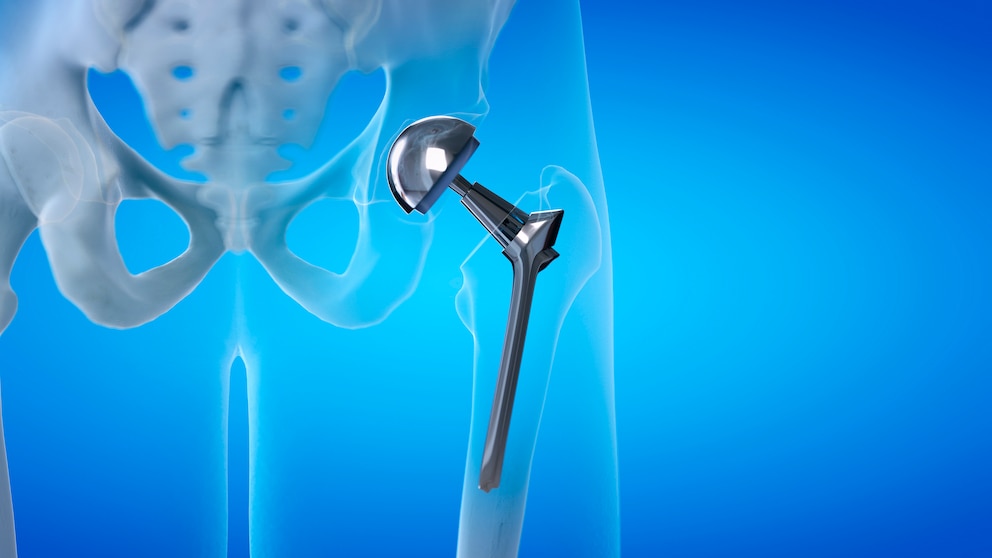
Researchers at Rush University Medical Center in Chicago examined brain tissue from 701 deceased individuals for the study. At least one artificial joint had been implanted in 229 of the deceased during their lifetime. The focus was on cobalt and titanium, as both metals are commonly used in implants.1
In individuals with hip prostheses, significantly higher concentrations of cobalt and titanium were found in brain tissue on average. Using special electron microscopes, the scientists were also able to make individual metal particles visible. Their composition matched the materials of the respective implants. Study author Robin Pourzal explained: “When the same metal combination appears in the brain as in the prosthesis, we know it cannot come from another source.” The results were published in the journal “Acta Biomaterialia.”
Also of interest: 2 simple measures to keep the brain young
Connection to Alzheimer’s Changes?
Particularly relevant is the question of whether the metal deposits are associated with changes in the brain. The study found that higher cobalt concentrations were linked to more pronounced Alzheimer’s-type protein deposits in certain brain regions. In contrast, higher titanium levels were associated with poorer results in memory and cognitive tests.
However, titanium cannot be definitively attributed to joint implants. The metal can also come from other sources, such as food or medications.
Therefore, it is crucial to note: The study does not establish a direct link between artificial joints and dementia. Alzheimer’s-type changes in the brain did not occur more frequently in people with joint prostheses than in the other individuals studied.

Researchers Discover Potential Alzheimer’s Driver

What Walking Speed Reveals About Dementia Risk
How Do the Particles Reach the Brain?
The pathway of the tiny metal particles remains unclear. One possible explanation researchers see is changes in the blood-brain barrier. Aging processes or chronic inflammation could make this natural protective barrier more permeable. Additionally, the scientists consider the transport of particles by immune cells.
This leaves a central question of the study unanswered: Whether the metal particles found in the brain actually cause health damage cannot be determined from the current results.
Researchers See No Reason for Panic
Despite the detection of metal particles in the brain, the scientists emphasize that patients should not panic. Artificial joints remain among the successful medical procedures and can significantly improve mobility and social activity. Both factors are, in turn, associated with a lower risk of dementia.
Further investigations are now needed to determine whether the particles have long-term effects on brain health. So far, it is only clear that components of joint prostheses can reach the brain. Whether they actually cause damage remains open.