


November 17, 2025, 2:48 am | Read time: 3 minutes
Just back from the supermarket, and you notice that the cauliflower already has small black spots—annoying! Does it need to be thrown away, or can it still be used? FITBOOK nutrition expert Sophie Brünke explains what to consider.
Black Spots on Cauliflower—Is It Still Edible?
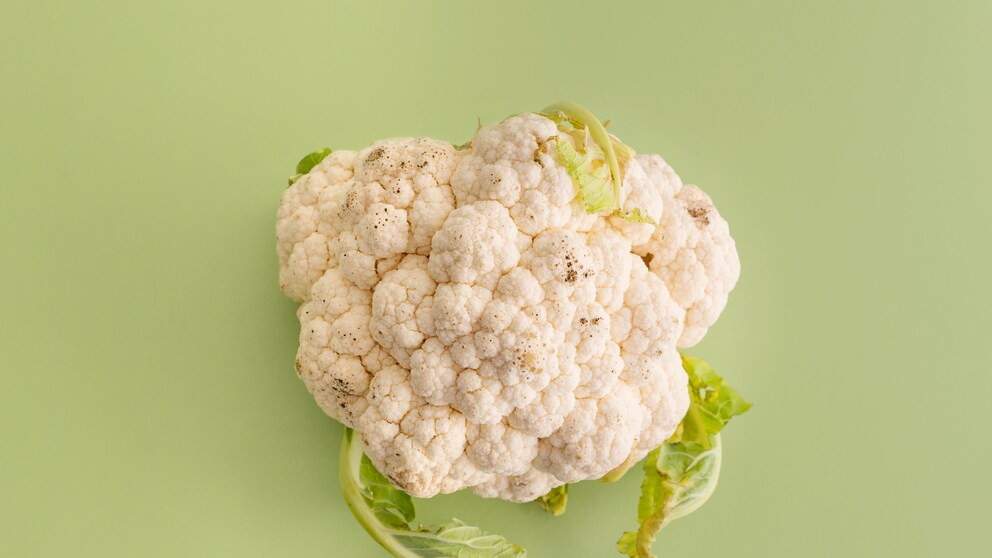
Sometimes small black spots appear on cauliflower, sometimes as tiny as pinheads. If you think these unsightly spots can simply be cut away, you’re mistaken. The black spots indicate a fungal infection known as black rot.1
Unfortunately, cutting away the spots is not enough. The fungal spores may have already spread throughout the entire head of cauliflower, rendering the vegetable inedible. Additionally, the mold produces mycotoxins, which are toxic metabolic products that can harm health. According to the Federal Institute for Risk Assessment, symptoms can range from vomiting or diarrhea to liver and kidney damage, and even cancer.2 Therefore, affected vegetables should definitely be discarded.
Which Apple Varieties Are Especially Healthy

Don’t Throw Them Away: 3 Recipes Using Banana Peels
What About a Yellow Tint and Brown Spots?
With a yellow tint or brown spots, the situation is better: In both cases, the cauliflower is still edible. Brown spots are usually pressure marks that can be removed.
The yellow tint occurs in cauliflower when it is exposed to UV radiation during growth. This happens when its leaves break off and do not fully cover it. While the appearance may be less appealing to some, a yellow-tinted cauliflower is harmless to health.
How to Keep Cauliflower Fresh for a Long Time
To avoid unpleasant surprises when preparing your cauliflower, you should store it properly. It’s important to keep it in a dry environment, ideally in a plastic bag in the refrigerator. Also, make sure not to store ripening fruit next to the cauliflower: Some fruits continue to ripen and release a specific ripening hormone, ethylene. This not only accelerates the ripening process of the same fruit but also of all fruits and vegetables nearby. Ethylene is produced by apples and pears, for example.