

April 28, 2021, 4:18 am | Read time: 3 minutes
Frustration and television are harming young people’s fitness during the pandemic: In the second COVID-19 lockdown, they are significantly less active than in the first. A scientist is sounding the alarm.
The second lockdown in Germany has slowed down children and teenagers: They are much less active during the ongoing closure phase than in the first lockdown in spring 2020. This is the result of a long-term study by the Karlsruhe Institute of Technology (KIT).
On average, the children involved were active for 75 minutes a day in February, walking, cycling, jogging, or using online fitness offerings. Last spring, the duration of activity was more than twice as long, at 166 minutes daily.
Finding Long-Term Solutions
Alexander Woll, head of the Institute of Sports and Sports Science at KIT, urges the development of long-term solutions to promote physical activity among children and teenagers even in situations like a pandemic. Physical activity not only strengthens fitness but also well-being and, especially during a pandemic, important immune defenses. The institute surveyed 1,700 young people aged 4 to 17 in February this year, 1,322 of whom were also surveyed during the first lockdown. The first survey in spring 2020 also included 1,700 children and teenagers.

Study: Children Were More Active During First Lockdown Than Before COVID-19

How Sick Are Children and Adolescents Getting From the Pandemic?
TV Consumption Increases, Fitness Declines
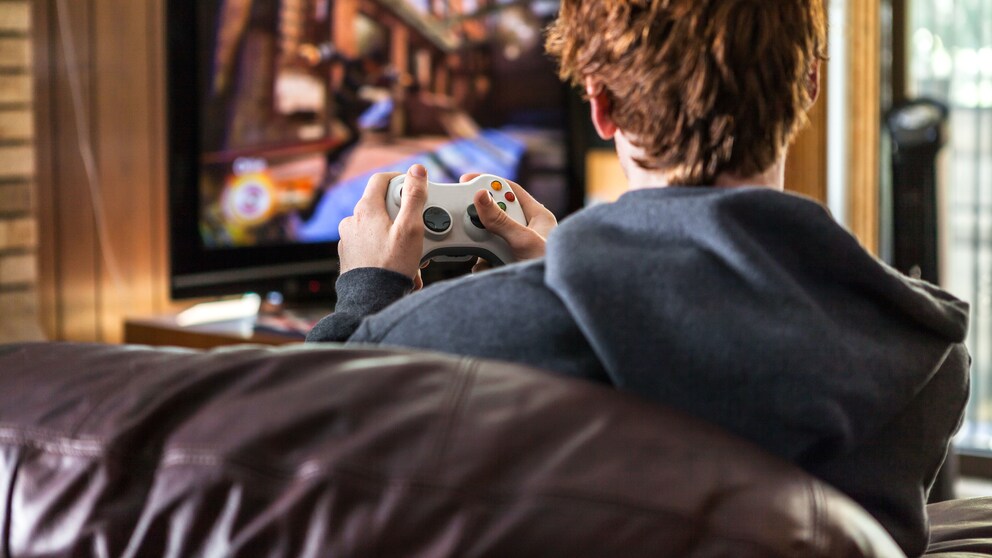
While time for physical activities decreased, TV consumption increased. Children and teenagers spent 222 minutes a day in front of the screen during the second lockdown, 28 minutes more than in the first. “Due to higher inactivity, almost half of the respondents reported that their fitness had significantly declined,” Woll explained. Nearly 30 percent of the young people surveyed, aged 4 to 17, said they had gained weight.
During the first lockdown, activity levels were still above pre-pandemic levels, as a study showed. Children and teenagers found alternative ways to be active, exceeding the pre-COVID-19 level of 142 minutes of sports and daily movement by more than 20 minutes.
Also of interest: COVID-19 lockdown promotes nearsightedness in adolescents
Teens Have Less Motivation for Exercise During Winter Lockdown
Unlike a year ago, the scientist drew a negative conclusion this time. The good weather during the first lockdown led to children and teenagers spending a lot of time outdoors and consequently being more active. This was no longer possible to the same extent in winter. Additionally, they had more classes and thus less free time during the second lockdown, as the researcher explained. Moreover, the frustration among children and teenagers likely increased, and their motivation for physical activity decreased.
With material from dpa