


December 29, 2025, 9:10 am | Read time: 2 minutes
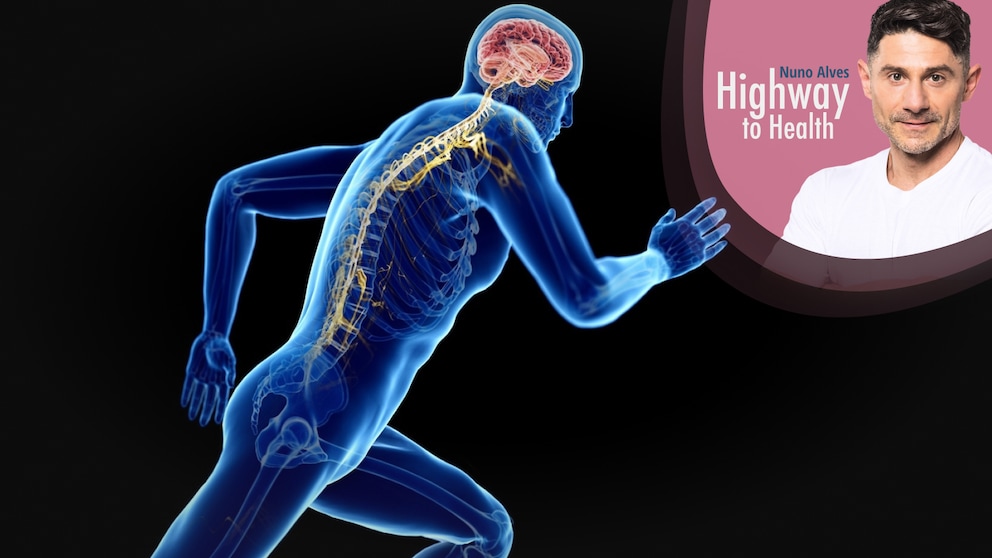
Exercise affects not only muscles and the cardiovascular system but also the brain. After a workout, many feel mentally sharper. Researchers wanted to understand the mechanisms behind this.
What was studied? A review article in the journal “Experimental Physiology” compiled current research findings on how exercise temporarily influences mental performance.1
The focus was primarily on the role of blood flow and energy metabolism in the brain. The authors examined the importance of oxygen, sugar, and lactate for cognitive improvements and why not everyone benefits equally from exercise.
Results: An increased blood flow throughout the brain is apparently not enough to enhance thinking ability. It is crucial that the regions currently active, such as those for attention or quick reactions, are better supplied. The brain needs energy for this, primarily from sugar.
During intense physical exertion, lactate is also produced in the muscles, serving as a quickly available energy source for the brain. People who efficiently metabolize sugar or use this additional energy carrier particularly well showed more significant cognitive gains after exercise in studies. For others, this effect was absent, often due to different metabolic processes.
Significance: Exercise can temporarily boost mental performance. However, it is crucial how well the brain is supplied with energy during and after exercise. Individual metabolism plays a central role. Those who want to benefit from these effects should choose training forms that match their energy balance. After exertion, the brain’s thinking centers seem particularly active—a possible key to cognitive recovery and performance.
Found an error? Please send feedback to: highway2health@fitbook.de.