


July 31, 2025, 2:30 pm | Read time: 5 minutes
What do professional soccer players eat before kickoff–and what don’t they? Mona Nemmer, nutrition expert for Liverpool FC, reveals in a FITBOOK interview whether pros sometimes stray from their meal plans, why fiber isn’t always beneficial, and the key role nutrition plays in major tournaments like the European Championship.
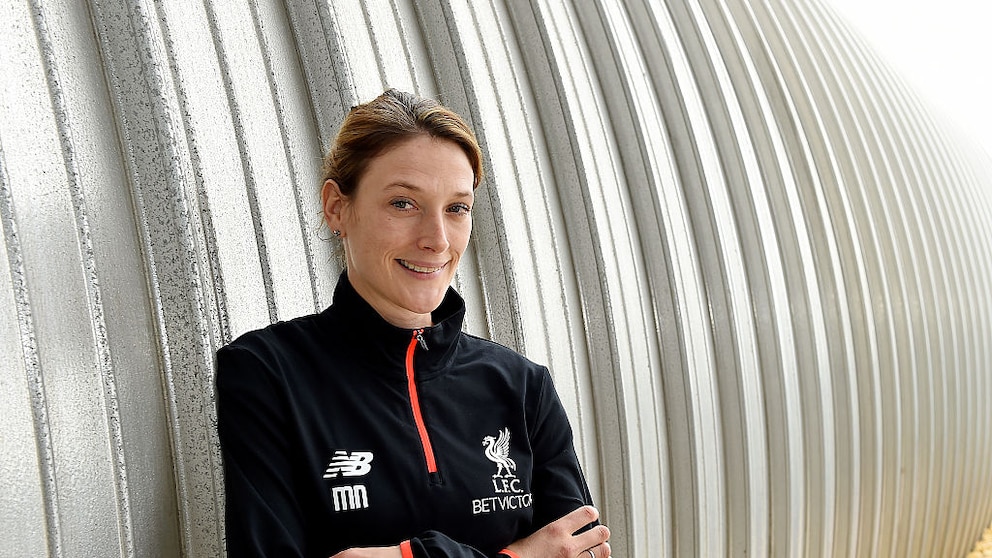
She is a nutritionist, author, and trained chef who has already provided players from Bayern Munich and Liverpool FC with nutrients and valuable tips: Mona Nemmer. At a Lidl event, the official partner of the UEFA Women’s EURO 2025, the 41-year-old expert spoke with FITBOOK editor Sophie Brünke about the challenge of optimally supporting a team nutritionally through a weeks-long tournament. Mona Nemmer also offers tips for amateur athletes who want to be well-nourished after a workout.
FITBOOK: Ms. Nemmer, nutrition is an emotional topic. Many people simply eat what they like. What typical nutritional mistakes do you encounter even among professionals?
Mona Nemmer: “The better the support from nutrition experts, the less frequent the mistakes. In professional teams, nutrition is usually well-structured and planned together with the kitchen team. Nevertheless, nutrition remains an emotional topic–especially after games where the result isn’t crucial or when there’s an injury. This greatly affects appetite and recovery. Soul food plays an important role: dishes that evoke positive memories accompany many since childhood. Generally, the pros are very disciplined, especially during intense phases like in the Premier League or Bundesliga. Small slip-ups are more likely to happen in the off-season or on vacation–like with unhealthy snacks.”
“It’s important to let go sometimes”
How significant are such slip-ups?
“We all know how difficult it is to eat consistently balanced. In that sense, it’s quite human and even important to let go sometimes. Small indulgences are part of being human.”
A well-known example is Mohamed Salah from Liverpool FC with his love for rice pudding. How do you balance comfort food and peak performance?
“In soccer, we live in a clear four-day cycle: match day minus two, match day minus one, match day itself, and then the recovery day. Carbohydrates take between 48 and 72 hours to be fully utilized–in this phase, we have a lot of culinary leeway. Rice pudding can fit in there. On match day itself, we rely on familiar, easily digestible foods that don’t cause digestive issues. Routine also helps: the players know exactly what’s being served and can focus on the game.”
Fiber is good–except on match days
What does a typical match day meal look like?
“It’s rich in carbohydrates–pasta is still a classic, but quinoa or sweet potatoes are also used. Along with that, easily digestible proteins. Fiber is generally avoided to prevent potential digestive issues.”
Does the diet differ depending on the player’s position?
“Not in the general meal plans–those are about the team. Individual consultation is crucial. A forward often runs twelve to fourteen kilometers per game, a goalkeeper much less. Therefore, carbohydrate intake and energy needs must be individually adjusted. Otherwise, it negatively affects body weight and composition.”
Also interesting: National player Laura Freigang: ‘A defeat doesn’t define who I am’

National Player Laura Freigang: “A Loss Doesn’t Define Who I Am”

“How I Taught Our World Cup Soccer Champions About Good Nutrition”
No snacks before kickoff
Are there snacks right before the game?
“The last solid meal is consumed about three to four hours before the game. This is called the ‘athlete’s meal.’ After that, only drinks with electrolytes or carbohydrates are allowed. In the locker room itself, there are no solid foods anymore.”
And when can players eat again after the game?
“As soon as possible, ideally within 120 minutes. This so-called anabolic phase is crucial for recovery. Carbohydrates and proteins are important–the sooner, the better. We’ve been fortunate to often have dining areas near the locker rooms or bus kitchens. Sometimes creative solutions are needed, like cold pasta dishes. If players can’t eat directly after exertion, we resort to liquid options.”
Does this also apply to amateur athletes after an evening run?
“Yes, absolutely. A portion of protein–plant-based or animal–is sensible. Lentils, for example, are versatile and great for meal prep: as a salad, burger, or even hummus. Chicken or fish are also good options. Carbohydrates can be easily added if needed.”
Barbecues in preparation, strict guidelines during the tournament
A tournament like the European Championship brings special challenges. Does the diet change as well?
“Yes, especially because you’re more reliant on hotel structures for longer. In the preparation phase, you train more often, even twice a day. With the national team, it’s also about developing a common team strategy. Food plays a big role in this–it should be fun and strengthen the community. In this phase, we also have room for creative ideas like barbecues. During the tournament, you’re back in the match day rhythm.”
Was there a particular success in your career that you’re proud of–perhaps at Bayern Munich or Liverpool?
“My entire journey has been very fulfilling. The role of nutrition in soccer has changed significantly in the last ten to fifteen years. I’ve been fortunate to always have the support of managers and coaches–especially from the likes of Jürgen Klopp. My work has been very rewarding.”
In conclusion: If you could introduce one nutrition rule for all youth performance centers, what would it be?
“It would be important to have a fixed place where young athletes can eat regularly. Many are on the go from morning till night–school, training, homework. Parents do their best, but it should be standard to have a place where they can eat regularly.”