


June 28, 2026, 4:31 pm | Read time: 5 minutes
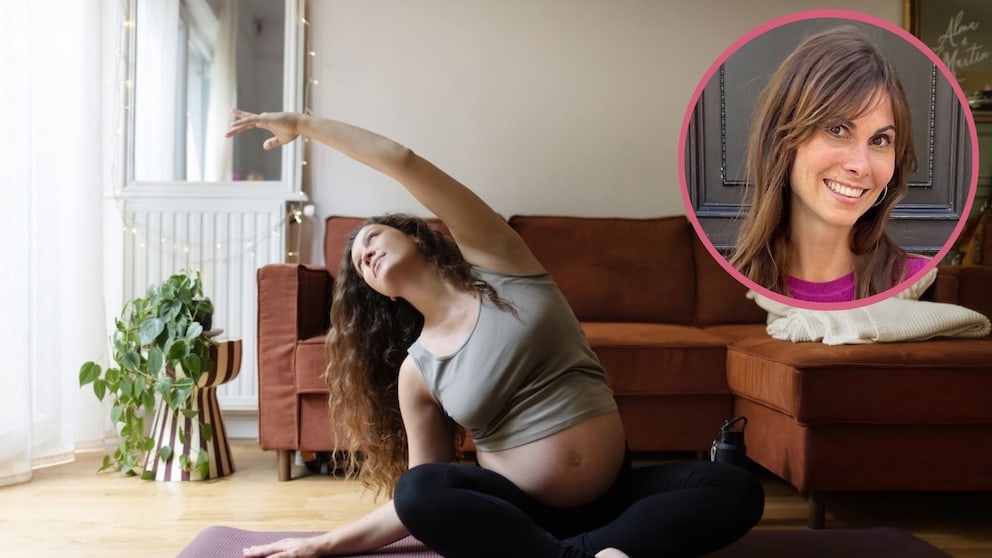
Pregnancy and exercise? Pilates can strengthen you before and after birth—without unnecessarily straining your body. FITBOOK author Nina Ponath spoke with Pilates instructor and physical therapist Juliana Afram about how training should look during pregnancy and what you should avoid during this time.
Why Pilates Is Recommended During Pregnancy
Are you pregnant? Congratulations! Your body is doing amazing things right now—and that’s exactly why it needs targeted support. This includes not only plenty of rest but also exercise. As long as your doctor or midwife gives the green light, regular physical activity during pregnancy is highly recommended.
Pilates is a sport particularly suited for this. The training specifically strengthens the core, which is especially challenged during pregnancy, without unnecessarily straining the body. At the same time, it promotes flexibility, body awareness, and relaxation. If there are no medical objections, Pilates is a worthwhile option. This is confirmed by Juliana Afram, a Pilates instructor, state-certified physical therapist, pre- and postnatal trainer, and author.
Pilates Strengthens but Does Not Replace Pelvic Floor Training
“Basically, Pilates is good training during pregnancy because it effectively trains the abdomen and back,” says Afram. “However, it’s important to note that Pilates is not targeted pelvic floor training.” Tensing and relaxing the pelvic floor is a practice that needs to be specifically trained. “Sometimes Pilates moves too quickly for that,” she adds. If you’re not specifically aiming for a stronger pelvic floor through the training, it still offers many benefits.
A study underscores that Pilates is a safe physical activity that can significantly enhance maternal well-being. Research findings show that regularly conducted, supervised Pilates training can help support posture, reduce pain, and even positively influence blood sugar levels and weight gain. The prerequisite is always an individual adjustment to the respective week of pregnancy and personal energy level.1
How to Train Safely During Pregnancy
When is exercise good, and when should you pause? Generally, if your pregnancy is classified as “normal,” there’s nothing against Pilates. However, pay attention to your body’s signals: dizziness, nausea, vaginal bleeding, amniotic fluid leakage, or severe pain are absolute warning signs that require you to pause immediately and seek medical advice.
In cases of specific complications or high-risk pregnancies, consulting with a medical professional is essential. “If you feel good, you can even train on the day of birth,” says Juliana Afram. “I’ve had clients who were in my class in the morning and gave birth in the evening.”
The Pilates instructor tailors the training individually to the participants, as every pregnancy is unique and every body responds differently to stress. Juliana Afram recommends anything that strengthens the upper body.
“The entire rowing series on the reformer is great during pregnancy,” says Afram. However, she advises against exercises performed over the head. “Unless you know the exercises and have done them before pregnancy.”
5 Effective Exercises
- Cat Stretch: Get on all fours. As you inhale, gently extend your back (look forward), and as you exhale, gently pull your navel toward your spine and round your back. This mobilizes the spine and relieves tension in the lower back.
- Mermaid in a seated position: Sit comfortably (cross-legged or with legs extended). Raise one arm and gently lean your upper body to the side while keeping the opposite sit bone firmly anchored to the ground. This stretches the sides and opens the chest, allowing you to breathe more easily as the baby requires more space.
- Pelvic floor activation: Tighten and narrow the body openings and lift your pelvic organs forward and upward. Hold this tension briefly and consciously release it. This exercise is the foundation for your stability.
- Wall push-ups: Stand in front of a wall and place your hands at shoulder height. As you inhale, bend your elbows, and as you exhale, push back. This strengthens the chest and shoulder muscles and spares your abdomen if you don’t want to strain it currently.
- Pelvic lift (standing or with support): Activate your pelvic floor and shift your weight in a controlled manner. Instead of complex floor exercises, this strengthens the stability of the hips and legs, which must support your additional weight.

How a Star Ballerina Got Back in Shape After Pregnancy with an Unconventional Training Method

The Positive Effects of Exercise During Pregnancy
What You Should Avoid Now and What Is Just a Myth
As pregnancy progresses, the demands change, and you may become more cautious. Many assumptions about training during pregnancy are just myths, as Juliana Afram warns.
“Are abdominal exercises in a supine position taboo during pregnancy?”
No! If no symptoms like dizziness or nausea occur, there’s nothing against it.
“Can I train my abdominal muscles in isolation during pregnancy?”
According to Juliana Afram, there’s nothing against this either, and it’s a false myth.
Once the Belly Is Clearly Visible, You Should Avoid the Following
As pregnancy progresses, intensive exercises in a prone position should be avoided, as they become increasingly uncomfortable and offer no significant training advantage. Caution is also advised with intense stretches of the adductors (inner thighs): Because pregnancy hormones loosen ligaments and connective tissue, overstretching in the pelvic area can impair stability.