


January 8, 2026, 7:56 am | Read time: 5 minutes
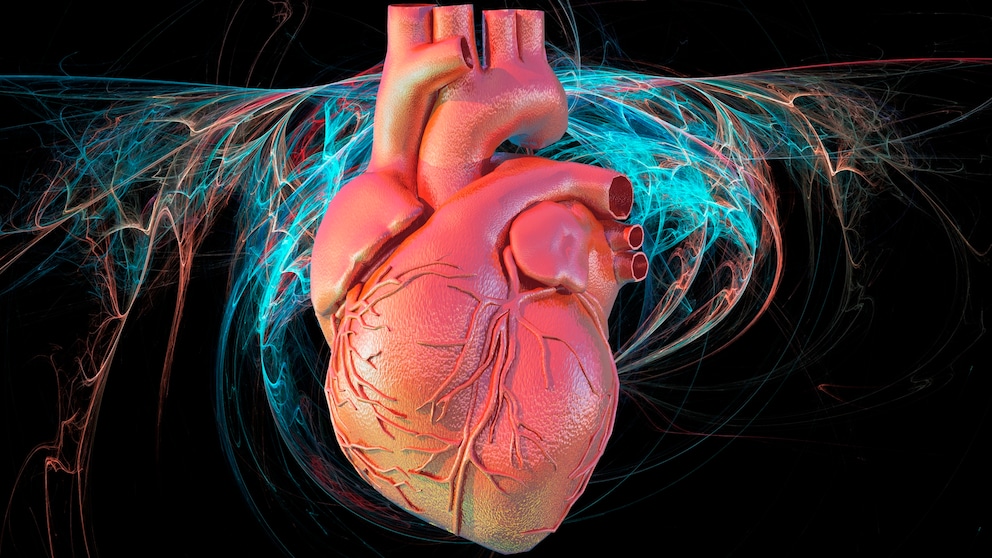
Chest pain, shortness of breath, or heart palpitations–such symptoms can occur hours or days before cardiac arrest. Often, they are overlooked or misinterpreted. Yet, they can be crucial warning signs from the heart, which is on the verge of stopping.
Follow the FITBOOK channel on WhatsApp now!
Possible Early Symptoms of Impending Cardiac Arrest
In cardiac arrest (also known as sudden cardiac death), the heart abruptly stops pumping blood through the body. This immediately leads to circulatory arrest, which, if untreated, ends fatally within minutes. Although sudden cardiac arrest often seems to happen “out of nowhere,” many affected individuals show a series of warning signs beforehand–often hours to days before the event. Typical signs include:
- Chest pain or tightness in the chest,
- An irregular heartbeat or heart palpitations,
- Shortness of breath, especially during exertion
- And unexplained fatigue, dizziness, or fainting
If you notice such symptoms, do not wait; seek medical help immediately–especially if you already have a known heart condition.
Special Case: Athletic Individuals
In athletes, a large portion of sudden cardiac arrests and resulting deaths occur without warning.
Physically active people who have fainted during physical exertion should definitely have their heart examined by a doctor. According to a study, such fainting can be an early sign of a heart condition that may lead to sudden cardiac death during sports.1
Also interesting: Cardiac Arrest, Heart Attack, and Acute Heart Failure–How to Recognize the Difference
What to Do When Symptoms Appear
First and foremost, identify the symptoms and either call emergency services yourself or, if time is short, ask others for help. If symptoms appear, act as quickly as possible. Minutes, even seconds, can be crucial in an emergency. If the person is already unconscious, first responders should call an ambulance (112) as quickly as possible and begin resuscitation measures.
Until a doctor arrives, slightly elevate the upper body of the affected person. Do not elevate the legs!
- Place the person in a gentle position with the upper body elevated
- Do not elevate the legs to relieve the heart
- If unconscious, place the person in the recovery position and ensure they can breathe well. If breathing stops, begin chest compressions immediately
How to Perform Chest Compressions: Turn the patient onto their back. Ideally, the first responder draws an invisible line between the nipples and places both hands on top of each other at the exact center point. Press firmly there about 100 to 120 times per minute, approximately five to six centimeters deep toward the spine. Pressing to the beat of the song “Stayin’ Alive” by the Bee Gees achieves roughly 100 compressions per minute. Ultimately, where you press is less important than doing it at all.
With chest compressions, the first responder builds up blood pressure that transports the oxygen still present in the body to the brain. If the massage is interrupted, the pressure immediately drops again. So: Do not interrupt chest compressions!
Find more first aid tips here. First aid ends only when the ambulance arrives and the rescue team takes over.
Medical Background of Sudden Cardiac Arrest
The most common trigger of cardiac arrest is ventricular fibrillation. This is a heart rhythm disorder where the heart contracts much faster than normal and thus can no longer pump blood into circulation. Consequently, the brain lacks blood and oxygen.
Cardiologist explains which unexpected symptoms indicate heart failure
Acute Symptoms of Cardiac Arrest
Typical acute signs that indicate cardiac arrest include:
- Shortness of breath
- Chest pain or tightness in the chest
- Heart palpitations
- Profuse sweating
- Fainting spells (syncope)
- Dizziness
- Confusion
If one or more of these symptoms occur, the emergency number (112) must be dialed immediately, and resuscitation measures (as described above) should be started.
Which Risk Group Is Particularly Often Affected by Cardiac Arrest
Statistically, men are about three times more likely to experience sudden cardiac arrest than women. In younger individuals, sudden cardiac death is rare, but it occurs more frequently in middle-aged and older people.2 The risk group often includes people with pre-existing heart conditions. Some of these may go unnoticed, which is why cardiac death often occurs unexpectedly and seemingly without reason.

3 Essential Steps to Revive Children
Vittorio Pirbazari Died at the Gym: Why Men Who Work Out Can Suffer Heart Attacks
The Most Common Pre-Existing Conditions Before Cardiac Arrest Occurs
- Coronary artery disease (CAD)
- Congenital heart diseases and arrhythmias
- Heart failure
- Previous heart attack (myocardial infarction–the myocardium, Latin myocardium, is the heart muscle)
- Heart valve defects
- Myocarditis (heart muscle inflammation)
- Heart muscle diseases (cardiomyopathy)
This Lifestyle Reduces the Risk of Cardiac Arrest
The risk of heart disease can be reduced through a healthy diet and sufficient exercise. Particularly, a high cholesterol level, which can be improved through a suitable diet, and high blood pressure increase the risk of sudden cardiac death, heart attack, or heart failure. Additionally, smoking and alcohol should be largely avoided. Regular check-ups with a cardiologist are also important to diagnose and treat any existing heart condition in a timely manner.