

November 6, 2022, 7:43 am | Read time: 5 minutes
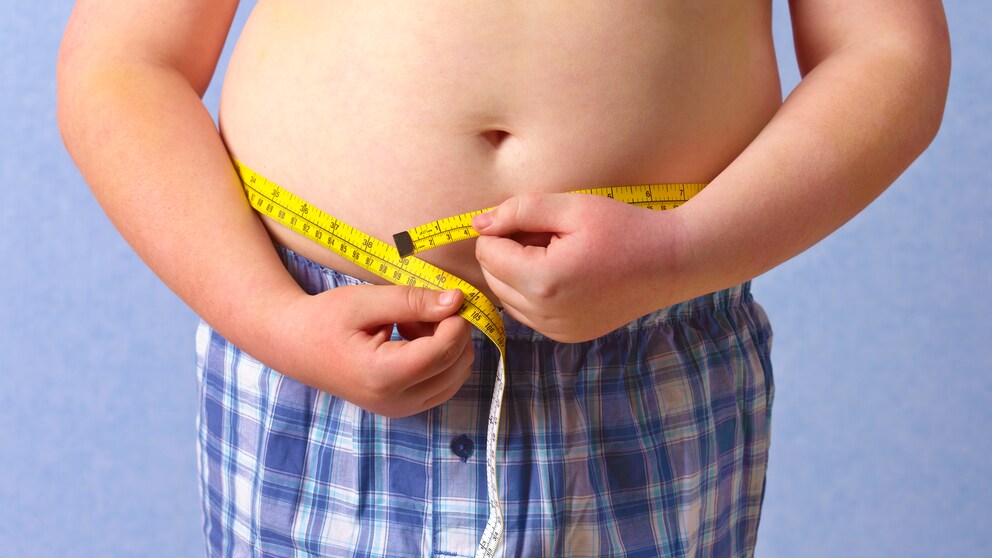
More and more children and adolescents are overweight–even morbidly so. This is probably not even surprising. Those who sat at home during lockdown and reached for chocolate and soft drinks gained weight. But will it stay that way? An expert has a clear opinion on this.
The number of children and adolescents with morbid obesity has been rising significantly nationwide for years, according to a new study. Between 2011 and 2021, the number of six- to 18-year-olds affected by obesity increased by 33.5 percent. Among the subgroup of 15- to 18-year-olds, it rose by 42.5 percent, and among boys aged 15 to 18, it even increased by 54.5 percent. This is according to data from the KKH Kaufmännische Krankenkasse in Hanover. According to Christine Joisten, a board member of the Working Group on Obesity in Childhood, there is a massive increase, especially in social hotspots.
Overview
Corona Lockdowns Were an Additional Factor
The lockdown phases during the coronavirus pandemic worsened the situation, warned the health insurance company. From the pre-corona year 2019 to 2021 alone, the number of obesity cases among six- to 18-year-olds increased by 10.7 percent. Among boys aged 15 to 18, it rose by 18.7 percent, and among girls of the same age, by a good 12 percent. According to its own information, KKH has about 1.6 million insured members.
Obesity One of the Most Common Diseases Among Children and Adolescents
According to KKH, obesity is one of the most common chronic diseases in childhood and adolescence. For the study, the insurance company collected anonymized data from its insured members aged six to 18 with the corresponding diagnosis. In 2021, an average of 6.0 percent of children and adolescents were affected, compared to 4.5 percent in 2011.
Also interesting: Researchers identify risk factors for long COVID in children
Pandemic Promoted Inactivity
“Homeschooling with hours of sitting in front of the PC, lack of physical education, hardly any meetings with friends, closed sports facilities–the pandemic with all its contact restrictions has thrown the lives of many children and adolescents off balance for a long time and promoted inactivity,” said Aileen Könitz, a doctor and expert on psychiatric issues at the health insurance company.
“This was an entry point for substitute actions to compensate for frustration, stress, and feelings of loneliness.” By substitute actions, Könitz refers to reaching for fattening foods like soft drinks, chocolate, or chips–or spending hours in front of the screen.
Also interesting: 5 snack recipes that keep blood sugar levels low
Health and Psychological Consequences
Könitz emphasized: “This trend is dramatic because the foundations for good health in adulthood are laid in childhood.” If overweight is extreme at a young age, health consequences threaten. These include high blood pressure, diabetes, lipid metabolism disorders, or joint wear and tear and reduced life expectancy.
https://oembed/fitbook/affiliate/0df9963cc6be482bbd50e71fab76f842c68088c8307fc0740e39cb173291ca10/900b495e-d27d-429e-892a-029abf95d223/embed
The consequences of morbid obesity could also shake the psychological balance of children and adolescents. “Discrimination and bullying because of their body weight are part of everyday life for many of them,” she said. “Experiencing exclusion not only weakens self-esteem and reduces quality of life but can lead to mental illnesses such as anxiety or depression.”
Also interesting: Strength training can prevent anxiety disorders–and alleviate existing ones

Managing Director of the German Sports Youth: “Politics Must Engage in Children’s Sports”

How Sick Are Children and Adolescents Getting From the Pandemic?
Obesity in Children–Parents’ Responsibility
No one is helplessly exposed to the risks of obesity. These include, among others, incorrect, high-fat, and high-calorie diets, lack of exercise, and excessive use of television or smartphones. Central to prevention is the example set by parents.
Könitz advised parents: “Create awareness in your child of the risks of being overweight and the personal responsibility for their own health.” In the fight against unwanted pounds, it is crucial that children want to change their lifestyle and behavior, are motivated to cooperate, and are psychologically strengthened–which requires “a lot of strength, patience, and perseverance” from parents.
Long-term Trend Even After Corona?
Joisten, on the other hand, assumes a lasting effect: “The world is not changing,” she said. Although the pandemic has “brought digital engagement to the forefront,” even before that, children’s exercise time was poor, and high-calorie foods were already available. According to a study in the Cologne area, childhood and adolescent obesity has increased compared to 2016, especially in social hotspots, while it has remained the same in economically strong districts.
At the same time, she lamented the decline in outpatient therapy centers: “We are not able to care for these children.” She called for drawing the right conclusions from the study and establishing a uniform system of cost coverage. So far, health insurance companies can cover the costs, but they do not have to.
With material from dpa