


June 3, 2026, 2:05 pm | Read time: 7 minutes
At the fourth BILD Children’s Health Summit, 100 experts from medicine, politics, science, education, and business gathered to discuss the future of our children. Children want challenges. Children are brave. They want to explore the world, test themselves, and grow. For this to succeed, however, they need a stable environment. This was precisely the topic of discussion: How can children grow up healthy, what support do families need, and how can we tackle the challenges of our time?
Children’s Health Starts with Nutrition
Federal Family Minister Karin Prien opened the summit and emphasized the importance of health for the future prospects of young people. Health means much more than medical care. Nutrition, exercise, mental health, and the handling of digital media also play a crucial role.
The importance of nutrition is highlighted by a figure repeatedly mentioned throughout the day: One in five children in Germany goes to school without breakfast. Principal André Szymkowiak shared his everyday experiences in Cologne: “I see carrots, sandwiches, and cucumbers in lunch boxes, as one would typically expect. But we also see very different things. Sometimes the lunch box is even empty.”
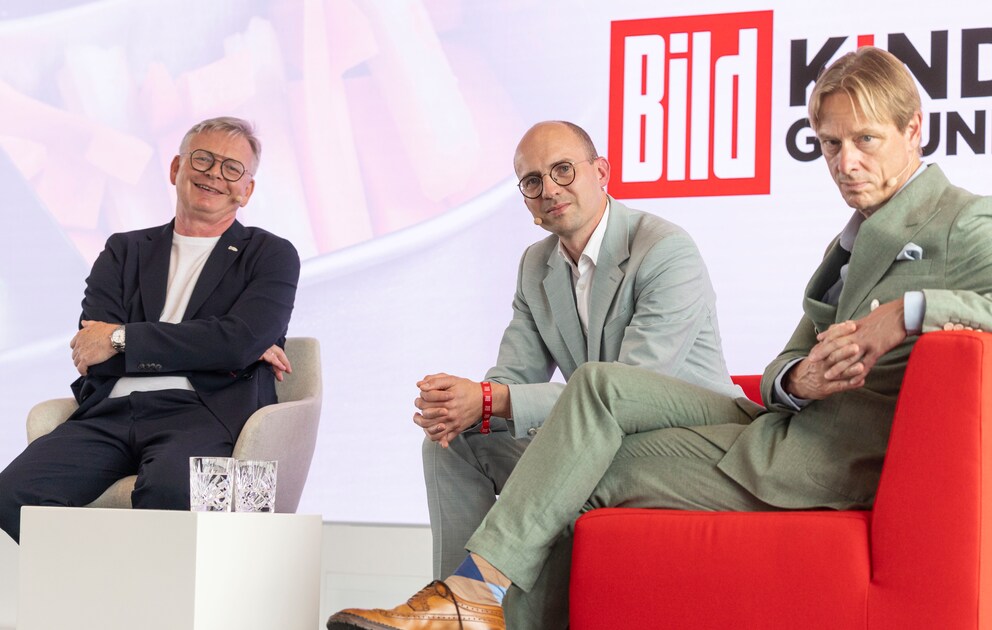
For Hans Martin Hermann of Lidl Germany, this is unacceptable: “In a country as wealthy as ours, this should not happen.” The experts agreed that healthy nutrition must be more strongly promoted. At the same time, parents play an important role as role models. Children look to what adults do—not just what they say. Discussions also revealed that a lack of nutritional knowledge plays a role in some families. Some children grow up in households where simple meals are hardly ever prepared from scratch. To counteract this, there are already projects and courses that teach parents the practical basics of nutrition.
Drugs, Alcohol, and Prevention
The handling of drugs and alcohol was also discussed at the summit. Experts call for more education and consistent prevention work that begins in childhood and adolescence. Federal Family Minister Karin Prien advocated for clear rules and referred to the planned abolition of supervised drinking. At the same time, attention was drawn to the risks of alcohol consumption during pregnancy. Participants agreed: Parents must be informed and supported early on to prevent health risks from arising in the first place.
Why Early Detection Can Save Lives
Another focus of the summit was Type 1 diabetes. Experts expect the number of new cases to continue rising in the coming years. The disease results from a combination of genetic factors and other influences that are not yet fully understood.
Prof. Peter Achenbach from the Institute of Diabetes Research explained that “just a few drops of blood” are enough to detect an increased risk. Families can thus be accompanied and informed early on. “We can delay the onset of the disease and mitigate its beginning,” he said.
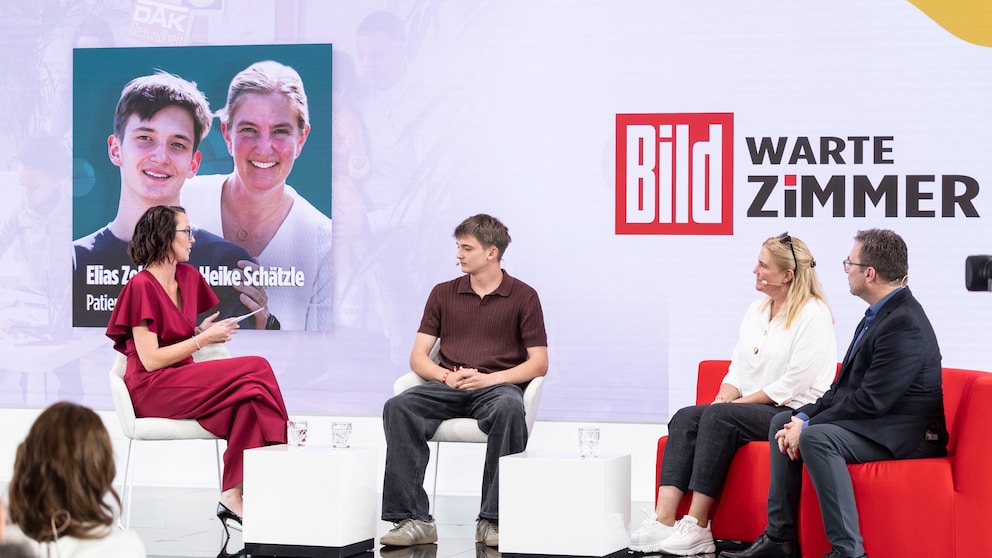
The importance of this is illustrated by the story of 16-year-old Elias Schätzle. “At twelve, I almost died of diabetes—without knowing I even had the disease,” he reported on the BILD stage. His experience highlights the difference an early diagnosis can make.
Between Waiting Rooms, Dr. Google, and AI
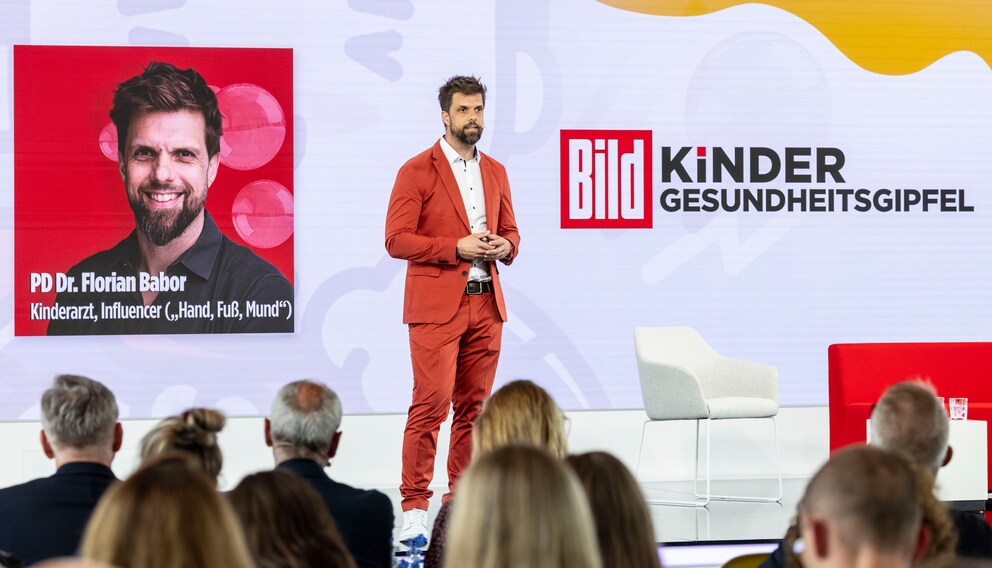
The digital world and its impact on the health of children and families were also topics at the summit. In a discussion about health information on the internet, PD Dr. Florian Babor, a pediatrician, spoke about the challenges posed by search engines, social media, and artificial intelligence.
He focused on “Dr. Google.” Search engines can provide information, but they cannot contextualize it. Compared to doctors, they often fall short. “Our colleagues listen, ask questions, contextualize, and reassure,” Babor emphasized. This is crucial, especially in health matters.
“Dr. Influencers” and Their Pitfalls
Babor is particularly critical of the role of some health influencers on social networks. With a wink, he described a typical situation: “She doesn’t have a doctorate, she hasn’t studied medicine. But she knows that our children’s immune systems absolutely need boosting and dietary supplements. And coincidentally, they’re available in her online shop.”
Behind the pointed statement lies a serious message. Parents need to look more closely at who is providing health information and what interests might be behind it. Not everyone with a large following has the necessary expertise. Especially in times of social media and artificial intelligence, it is becoming increasingly important to critically question information and rely on trustworthy sources.
Mental Health Comes into Sharper Focus
The mental health of children and adolescents was a particularly intense topic of discussion. Schools have been observing an increase in anxiety, overwhelm, and social withdrawal for years. Issues such as ADHD, anxiety disorders, and depression are playing an increasingly significant role in daily life at many schools.
Marc Eggert, principal of the Ernst Reuter School in Berlin, described the development clearly: “More and more children report being sick because they feel they cannot meet the demands.” Prof. Silvia Schneider from the German Center for Mental Health also sees a need for action. “Loneliness is a huge issue,” she said. Anxiety, ADHD, and depression are not new phenomena, but they are occurring more frequently and intensely.

Managing Director of the German Sports Youth: “Politics Must Engage in Children’s Sports”

“Bridging the Gap Between Highly Informed and Uninformed”
Politics Should Act, Not Just Discuss
It became clear at the summit that children’s health is not solely the responsibility of families, schools, or doctors. Participants understood it as a societal challenge. Politics, educational institutions, the health sector, and parents must take responsibility together.
The experts called for long-term strategies instead of short-term measures. Health education must be more firmly anchored in everyday school life, prevention programs should not depend on time-limited funding, and the mental health of young people must be brought into much sharper focus.
BILD Children’s Health Summit – A Conclusion
The health of children is a societal responsibility. Whether it’s nutrition, mental health, early detection, prevention, or dealing with the digital world—the foundations for a healthy life are laid at a young age.