

April 27, 2021, 5:58 pm | Read time: 4 minutes
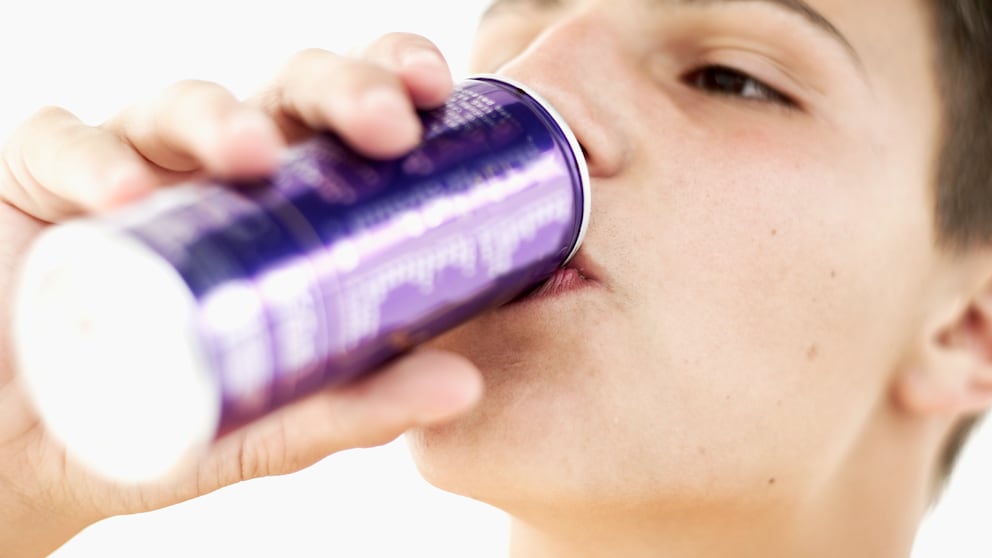
Energy drinks are harmful to children. They promote restlessness and even anxiety, and can lead to withdrawal symptoms after stopping. It’s important for parents to consistently say “no,” a child nutrition expert emphasizes once again.
This isn’t the first time experts have warned parents against letting their children consume energy drinks. However, in light of the pandemic, many families feel overwhelmed. This may lead to some rules being relaxed. When it comes to energy drinks, mothers and fathers should remain firm, stresses Diana Schnee, a child nutrition expert at the Cleveland Clinic in Ohio, USA, in a recent statement. Her message: Energy drinks put children in a constant state of stress, which is more harmful to their bodies and minds than ever in the current situation.
Also interesting: Every 5th student regularly drinks energy drinks
Colorful, flashy design particularly appeals to children
Particularly insidious, according to Schnee, are the striking neon-colored designs. “These drinks are marketed in a way that especially appeals to children,” she notes. “But these energy drinks are harmful, especially for children.” Even though the problem has been known for a long time and the American Academy of Pediatrics (AAP) has long called for a ban on energy drinks for children, there is still a need to raise awareness about the dangers.
Caffeine content can vary greatly
Children under 12 should not consume any caffeine at all. The European Food Safety Authority (EFSA) recommends that children and adolescents consume no more than three milligrams of caffeine per kilogram of body weight daily. This means 150 milligrams is the limit for a 50-kilogram teenager. A can of cola contains about 45 milligrams. In Germany, there is a national legal maximum of 320 milligrams of caffeine per liter for energy drinks. However, this is often quickly consumed due to the high sugar content. Nutrition expert Schnee additionally notes: “Energy drinks vary greatly depending on the brand and size.” In the U.S., the legal regulation is less strict, with individual cans containing up to 500 milligrams.
Small energy boost? No, pure stress!
Caffeine is just one factor. Energy drinks also contain a lot of strong stimulants, such as taurine. The combination of sugar, caffeine, and other substances makes energy drinks so harmful to children. With far-reaching consequences, says Diana Schnee: “Regular consumption puts the body in a constant state of stress,” says Schnee. “Over time, this can affect the developing brain and cardiovascular system of children.” In the long run, the risks include:
- Sleep disorders
- Severe restlessness
- Concentration problems
- Anxiety
- Mood swings
- High blood pressure
- Abnormal heart rhythms
- Seizures
Children face withdrawal symptoms when stopping energy drinks
Caffeine is indeed addictive, especially when consumed in high doses daily. “Caffeine may be legal, but it’s still a drug,” says child nutrition expert Schnee. Children who drink a lot of caffeine and then stop may experience withdrawal symptoms. These manifest as irritability, headaches, or muscle pain. Absolutely unnecessary experiences for the young body and mind.
Also interesting: Energy drinks can severely damage the heart

What Alcohol Does to the Bodies of Children and Adolescents

How Much Caffeine Teens Should Consume at Most
Parents should not engage in discussions
Schnee has two tips for affected parents. “Sit down with your child and talk to them about it,” Schnee suggests. “Ask why they want the drink. Is it because their friends are drinking it? Or do they feel low on energy?” Often, the underlying needs become apparent. It’s important not to engage in discussions. “Allow your child to have an ice cream every day if you must, but energy drinks belong on the ‘no-go list.’ I wouldn’t even recommend adults drink that stuff.”
Legal situation in Germany – why are energy drinks freely available to children?
By law, children of any age are allowed to buy energy drinks. In Lithuania, the United Kingdom, and the Netherlands, they have been restricted to those over 16 since 2018. The German government has so far turned a deaf ear to the issue.
Although doctors and the Hamburg Consumer Center have been calling for a ban on energy drinks for years, Julia Klöckner (CDU), Federal Minister for Food and Agriculture, considers such measures unnecessary. For her, the harm to the child’s cardiovascular system is not “sufficiently proven.” According to Klöckner, warnings and restrictions are enough. After all, sticking to it is extremely lucrative: The total revenue from energy drinks in Germany alone is over one billion euros annually, and the trend is rising.