

March 11, 2021, 4:33 am | Read time: 2 minutes
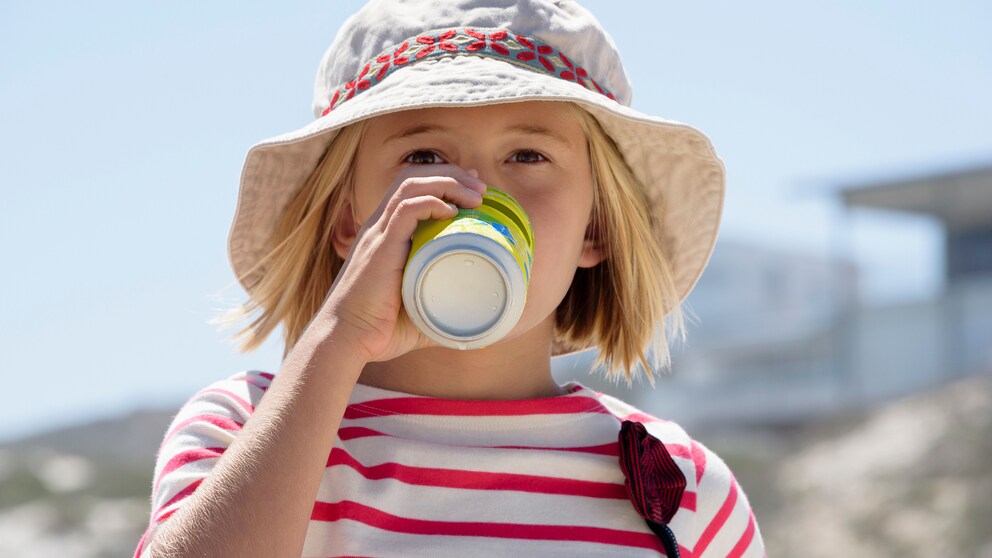
Colorful cans and sweet taste: Many children and teenagers are fond of energy drinks. However, drinking too much can harm their health in the long run.
Energy drinks taste good and have a certain coolness factor for younger people. But consumer advocates believe these stimulating beverages are not suitable for children and teenagers. The Brandenburg Consumer Center warns that consuming energy drinks could not only lead to sleep disturbances but also to nervousness, headaches, decreased concentration, or obesity.
Criticism of Poorly Legible Caffeine Content Warnings
A major criticism from the Brandenburg Consumer Center: The warnings about high caffeine content are often poorly legible on the back of the cans. In a sample by consumer advocates, all products contained 300 to 320 milligrams of caffeine per liter. This is too much for children, who are advised against consuming more than 150 milligrams per liter.
Consuming too much caffeine poses health risks for young people, the consumer center clarifies. However, warnings about this danger were completely absent from all products.
Also interesting: Energy drinks could harm your blood vessels
Formula: How Much Caffeine Is Safe for Children and Teenagers?
If you want to calculate the risk, you can use this formula: According to consumer advocates, three milligrams of caffeine per kilogram of body weight per day is considered safe for children and teenagers. A child weighing 40 kilograms should not consume more than 120 milligrams of caffeine throughout the day.
Also interesting: What happens in the body after a can of cola?
Incidentally, caffeine content is not the only problem. The drinks also contain too much sugar. Therefore, consumer advocates conclude: “Energy drinks are generally unsuitable for children and teenagers.”
With material from dpa