


May 19, 2026, 12:30 pm | Read time: 3 minutes
A look into the eye could provide insight into osteoporosis risk. And this, years before bone loss becomes noticeable. A medical revolution?
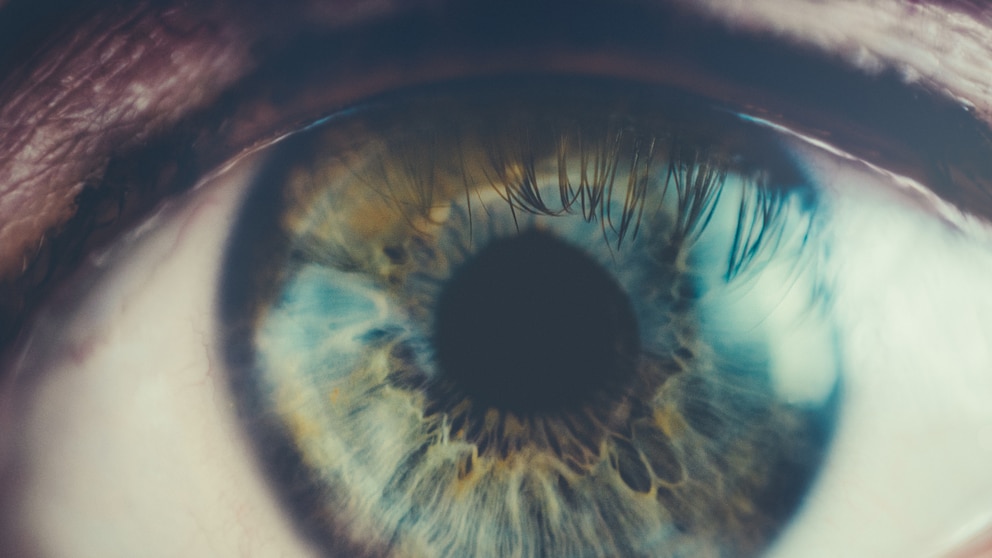
Osteoporosis is one of the most common age-related diseases worldwide, especially among postmenopausal women. It is also known as the “silent disease” because many affected individuals only learn about it after a bone fracture. Now, researchers from Singapore and the United Kingdom have discovered a new, cost-effective method to detect bone loss, particularly early. This is possible through an eye examination. There appears to be a significant connection between the condition of the retina and bone mineral density throughout the body. In the new study published in “PLOS Digital Health,”1 it was confirmed that individuals whose retinas appeared biologically “older” were more likely to develop osteoporosis.
Focus on Biological Age Gains Importance
Instead of chronological age, or the number of years lived, biological age is increasingly coming into focus. It more accurately describes how much organs and tissues have biologically aged, whether due to lifestyle, diseases, or genetic factors. The retina is increasingly being studied as a potential biomarker for general aging processes. Does the novel procedure meet all the requirements to soon become a diagnostic routine for osteoporosis? After all, the current so-called DEXA scan is costly and difficult to access without medical suspicion.
Retina Analysis Using AI Tool
For a meaningful analysis, researchers developed an AI tool called RetiAGE. The system estimates from photos whether a person’s retina appears biologically older than expected. Researchers from Singapore initially tested the system on nearly 2,000 older adults. Indeed, individuals whose retinas appeared biologically older tended to have weaker bones in several areas of the hip and thigh bone. Whether the eyes merely reflected an existing bone loss or if osteoporosis could be predicted years before its onset was still unclear.
Risk for Atrial Fibrillation Detectable Early in Another Organ

People With Centenarian Parents Are Likely to Fall Ill Much Later in Life
Long-term Data from 44,000 People in the UK Biobank Examined
In search of further answers, the co-team from the United Kingdom used data from nearly 44,000 people in the UK Biobank. At the start of the study, none of them had osteoporosis. Twelve years later, it was found that individuals with a rapidly aging retina had up to a 40 percent increased risk of developing osteoporosis. This pattern persisted even after accounting for other factors such as smoking, physical activity, diabetes, etc.
Still in Its Infancy, but Soon a Medical Revolution?
Recent findings related to artificial intelligence already suggest, with studies like this, how drastically diagnostic possibilities and associated therapies could improve. On one hand, the eye is no longer just considered an “organ for the outside world,” but also provides deep insights into “inner health.” On the other hand, recent research shows that our skeleton is more than just a framework. In fact, it is in close communication with the brain and organs through hormones and other signaling pathways. The study provides evidence that bone issues like osteoporosis may also be reflected in the eyes. However, since it is an observational study, it cannot prove that changes in the retina directly cause or biologically drive osteoporosis.
Even though the current investigations are still experimental and the AI systems have weaknesses, the research may only be a few studies away from a decisive breakthrough.