Home
»
Authors
»
Friederike Ostermeyer
Friederike Ostermeyer
Friederike Ostermeyer is a freelance writer for FITBOOK, primarily covering topics such as nutrition, healthy living, and psychology. With great enthusiasm, she delves into the latest studies, other current scientific publications, or interviews insightful experts. She broadens the rest of her horizons — like so many others—preferably through travel.
White bread–especially white butter toast–offers little in terms of nutritional value and is considered unhealthy. What's the truth behind this?
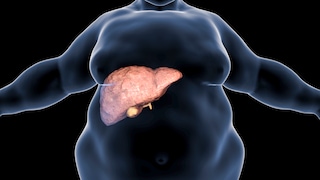
Those who frequently eat takeout risk developing fatty liver disease. According to a recent study, one gender should be particularly cautious.
Those who enjoy physical activity may have a lower risk of dementia compared to those who simply engage in hard physical labor.
According to a British study, women enter menopause later if they have sex more than once a week.
Regularly watching television for extended periods measurably changes the brain. According to a study, binge-watching affects women and men differently.
Living longer doesn't automatically mean living healthier, a study finds. FITBOOK explains the background.
Relapses are among the biggest challenges in anorexia. Why is that? Researchers have now discovered a crucial mechanism.
Oral health doesn't start and end in the mouth. In fact, a study suggests that inflamed gums can literally affect the kidneys.
Brushing your teeth is important! However, there are also foods that actively keep your teeth healthy. The key is to bite down properly!
Radiant skin, a healthy immune system, "younger" organs—certain foods can slow down the aging process.
Rotavirus causes diarrhea, vomiting, and severe abdominal pain–and it can be particularly dangerous for children under the age of two.
According to a study, two hours of strength training per week can significantly reduce the risk of cardiovascular diseases.
Do People Age Faster Than Previous Generations, Leading to More Cancer Diagnoses in Younger Individuals? Study Provides Answers.
Study Offers Hope: Drug Originally Used for Constipation Eases Depression Symptoms in Just One Week
Too much sitting is unhealthy, that's clear! But is too little sitting just as bad? A long-term study now addresses this question.
Danish Study: Smoking Increases Visceral Belly Fat, Linked to Dementia
The longer, the heavier? According to a new study, people who work more hours than average each day are more likely to be overweight.
Fatherhood dramatically changes the male brain, according to a recent study from Germany.
In addition to numerous well-known health benefits, quitting smoking apparently reduces the risk of dementia—under one condition.
Looking into the eye could provide insight into the risk of osteoporosis—years before bone loss becomes noticeable.
In the world's five "Blue Zones," people live exceptionally long lives—what drinking habits do centenarians have?
Bone Health Directly Affects Mental Well-being: What Science Knows About the Bone-Brain Axis
New evidence from Canada on long-discussed link: The protective effect of whole milk could be even greater.
Does Aspirin Protect Against Dementia? A new study has now determined whether this widespread belief holds true.
Since April 1, a new medication for menopause symptoms has been available. Here's how the hormone-free product works.
Tattoos or no tattoos: a question of personality? Researchers made intriguing discoveries in their quest for answers.
With the death of a wife, the risk of dementia increases for older men, according to a recent study. Women often fare better after the mourning period.