


July 1, 2026, 3:03 pm | Read time: 4 minutes
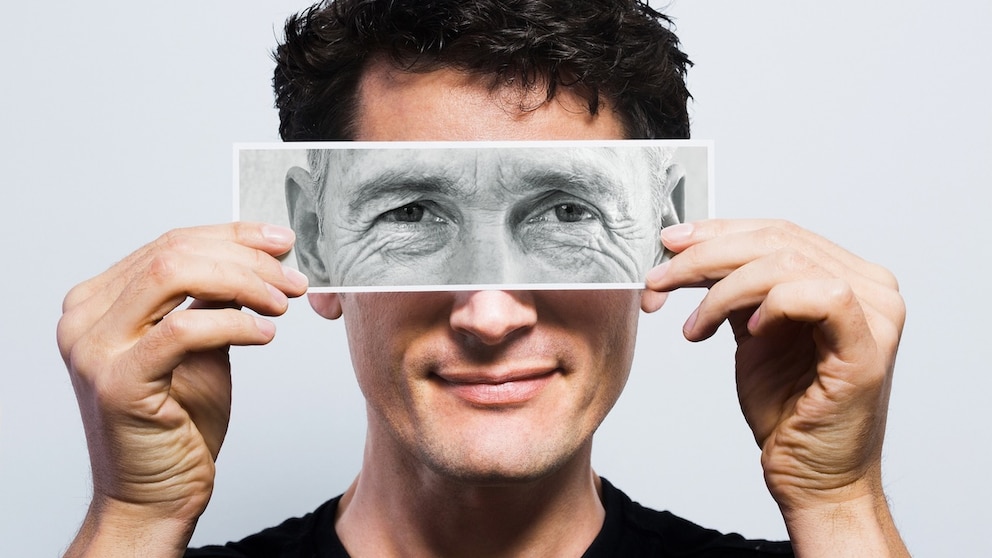
Radiant skin, a healthy immune system, “younger” organs–the right foods can help us age more slowly. FITBOOK reveals which ones they are.
While time can’t be stopped, it can at least be tricked a little. How we age is closely tied to our diet, and there are foods that have been proven to slow the process. This means that biological age doesn’t necessarily have to match actual age. So, incorporate the following seven foods into your meal plan more often!
Olive Oil for Younger-Looking Skin and a Longer Life
Olive oil is the ultimate anti-aging food and should be used daily. According to a 2022 study, just one tablespoon a day is enough to extend life.1 It also contributes to smooth, radiant skin. This is partly due to the monounsaturated fatty acids, which, in combination with antioxidants like tocopherols and beta-carotene, slow down skin aging.2 Olive oil also helps prevent the skin from drying out “from within,” so dryness wrinkles (remember to drink plenty!) don’t stand a chance.
Also interesting: Olive oil in “Stiftung Warentest”–4 organic products fail
Green Tea “Rejuvenates” the Brain
Harvard researcher Prof. David Sinclair is probably the most famous scientist in aging research. The 57-year-old claims to have reversed his biological age by ten years. How? According to him, partly with green tea. He drinks at least two cups daily. The reason is the anti-inflammatory plant compounds it contains, known as flavonoids. And there’s something to it. According to a study from the University Medical Center in Chicago, people who regularly consume flavonoids–especially from green tea–experience significantly slower cognitive decline.3
Also interesting: Green Tea–Preparation, Effects, and Ingredients
Pomegranates Boost Collagen Production
Yes, secondary plant compounds are truly remarkable. Each plant or fruit has its unique mix. In the delicious pomegranates, these are primarily punicalagins, tannins, phenolic acids, and lignans. Together with the vitamin C provided by the fruit, this unique combination ensures, according to studies, that existing collagen in the skin is preserved and new collagen is formed.4 Collagen is the body’s own substance responsible for firm nails and smooth, elastic, wrinkle-free skin. As we age, production decreases and the skin loses elasticity. To some extent, we can control how quickly this process occurs. Smoking, sugar, and alcohol accelerate it. Incidentally, in Persian mythology, the pomegranate symbolizes beauty and eternal life–perhaps not a coincidence?
Also interesting: The incredible effect of pomegranate on colon cancer
Artichokes for a Cellular Rejuvenation
For artichokes, the fountain of youth combination is: quercetin, rutin, gallic acid, and cynarin. These keep all cells healthy and vital–a cellular rejuvenation for the body, so to speak. This works internally (digestive system, gut flora, and heart health) as well as externally. Artichokes improve the cohesion of skin cells, which affects the genetic level, namely the DNA. The result, according to clinical tests of artichoke polyphenols on human subjects: fresher, more elastic skin without rough spots.5 By the way, artichokes pair wonderfully with olive oil.
Also interesting: These teas can prevent fatty liver
Broccoli Sprouts Slow Aging Processes
Another food that helps slow aging is broccoli sprouts. Why? Broccoli sprouts contain significant amounts of the molecule sulforaphane (ten times more than broccoli), which is considered a miracle in anti-aging and cancer research. It extends the lifespan of cells and prevents neurodegeneration associated with aging.6 This refers to the loss of function or death of nerve cells. Simply put: With broccoli sprouts (e.g., in a smoothie), the ravages of time bite a little slower. Pro tip: A bit of mustard powder is said to improve absorption.
What Are Phytochemicals and Why Are They So Healthy?

Foods to Eat (or Avoid) with High Blood Pressure
Kidney Beans Slow Down Age-Related Diseases
Kidney beans not only contain valuable protein but also so-called anthocyanins.7 These are bioactive plant compounds responsible for the typical dark, reddish-purple color. They primarily capture free radicals, which, as we age, cause many ailments or even serious diseases–including inflammation, cardiovascular diseases, diabetes, and even cancer. The cell-protecting effect impacts the entire body, including skin cells. The skin appears more vital, radiant, and younger. The effect is partly due to the built-in UV protection.8 Kidney beans, as well as all other red-purple fruits and vegetables, are ideal and delicious foods that help slow aging.
Avocados Are Good for the Heart and Brain Function
Avocados are not only a perennial favorite among food trends. Research shows they also benefit our health and can have a rejuvenating effect on our bodies. A meta-analysis of ten studies from 2024 provided evidence that avocado consumption is good for the heart. Why? Because it has a cholesterol-lowering effect.9 Avocado is an optimal source of the plant compound lutein. In a small study from 2017, participants who ate an avocado daily for six months experienced improved memory and working memory, as well as better concentration.10