


November 14, 2025, 12:09 pm | Read time: 4 minutes
Hibiscus tea, green tea, pomegranate juice, or garlic: Some foods are said to have a blood pressure-lowering effect. But is that true? FITBOOK explains which foods are beneficial for hypertension patients—and what dietary adjustments they can make to regulate their high blood pressure.
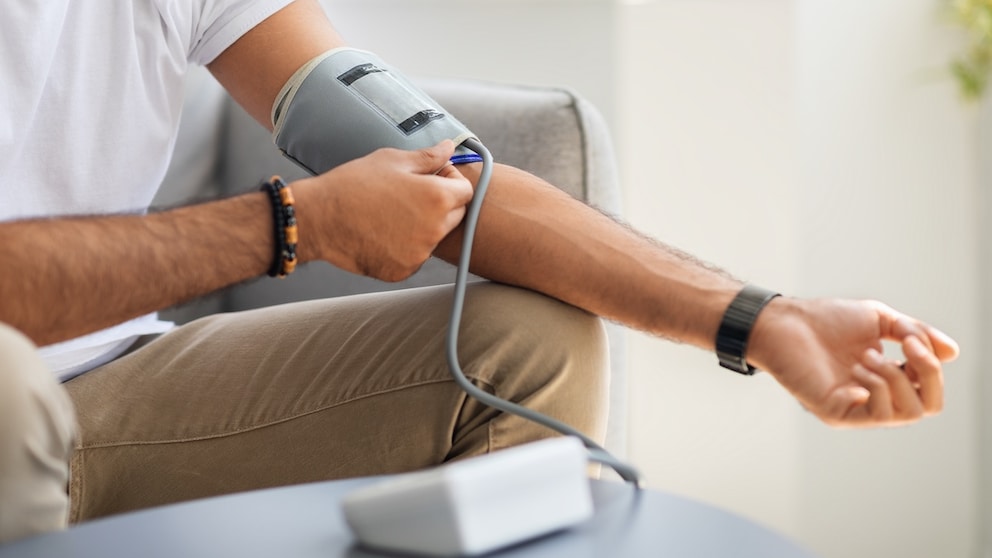
It is not only medications that can regulate high blood pressure; it can also be effectively lowered naturally. And it’s easier than many think. Those who exercise enough and reduce stress are already off to a good start. But the right diet can also achieve a lot.
Eat Less Salt
The first step is to watch your salt intake—because reducing salt consumption can significantly lower blood pressure. For those with hypertension, it should be no more than five grams of salt per day. According to the guidelines of the German Nutrition Society, it should be a maximum of six grams per day.1 This is roughly equivalent to a teaspoon. Ideally, it should be the so-called salt-reduced potassium chloride.
Drink Alcohol Only in Moderation
Overall, there is no harmless dose of alcohol; patients with hypertension should drink as little alcohol as possible.
Men with hypertension should not consume more than 20 grams of alcohol per day, according to a recommendation from the German Heart Foundation.2 This is roughly equivalent to half a liter of beer or a quarter liter of wine. For women, it should be no more than ten grams.
Those who abstain from alcohol not only do something for their blood pressure but can also extend their lifespan by ten or even more years.
Drinks That Are Said to Lower Blood Pressure
Some drinks, such as green tea, are said to have a blood pressure-lowering effect. Although individual studies show the positive effect of green tea, scientific proof is still lacking. The same applies to pomegranate or beetroot juice. Hibiscus tea also seems to have a blood pressure-lowering effect.
All three drinks are healthy. Green tea contains plant compounds that positively affect blood vessels. Pomegranate and beetroot juice provide important vitamins and minerals. Consuming these drinks (in moderation, considering the calories) is certainly not harmful.
Foods That Are Said to Lower Blood Pressure
Garlic is also attributed a positive effect, with individual studies confirming the blood pressure-lowering effect of fresh garlic or derived extracts; however, the irrefutable scientific proof is still missing.3
Potassium-rich foods like bananas or dates can help lower blood pressure. Larger amounts of potassium are also found in kiwis, nuts, potatoes, spinach, and beans.

Hypertension Expert: “Patients with High Blood Pressure Are Three Times More Likely to Suffer from Depression”
Problems With Cholesterol? We Recommend These Drinks
Mediterranean Diet Is Good for Blood Pressure
In general, the Mediterranean diet is beneficial for hypertension patients. This means primarily plant-based foods with plenty of vegetables and fruits, legumes, little red meat, and preferring poultry and fresh seafood. Fats should mainly be monounsaturated and especially polyunsaturated fats (abundant in extra virgin olive oil, nuts, avocados). Dairy products and eggs are only included in moderation in the Mediterranean diet.
Of course, the blood pressure-lowering effect of the Mediterranean diet does not occur within a few days—and it is by no means a substitute for blood pressure-lowering medications in severe hypertension, but rather a good complement.
Additionally: Lose Weight, Exercise, and Quit Smoking
Besides the right diet, it’s about shedding excess pounds. With each kilogram of body weight lost, blood pressure can decrease slightly. Regular physical training, such as running, cycling, or Nordic walking, also helps normalize blood pressure. A study from 2023 also identified that isometric training is particularly effective in lowering blood pressure (FITBOOK reported).4 Optimal seems to be a full-body workout consisting of static exercises that strengthen the core and leg muscles, fortify the torso, and build grip strength.
Stress can also drive up blood pressure. To reduce it, relaxation techniques like yoga and meditation can help. And: Those who smoke should urgently quit.