

May 16, 2025, 2:01 am | Read time: 5 minutes
Of course, it’s not enough to simply consume certain beverages to lower cholesterol levels if you maintain an overall unhealthy lifestyle. However, the following drinks can indeed have a positive impact on blood lipid levels, as studies show. Learn more about this at FITBOOK.
When it comes to cholesterol, coffee might immediately come to mind. Its impact on cholesterol levels has been debated for a long time. A 2022 study, for example, shows how coffee can affect blood lipid levels differently depending on the preparation method.1 Nevertheless, coffee has qualified for the following list of drinks with potentially beneficial effects on cholesterol levels. The explanation follows later in the text.
Follow the FITBOOK channel on WhatsApp now!
Overview
Drinks with Positive Impact on Cholesterol Levels
Briefly, what does a positive impact on cholesterol levels actually mean? It involves measures–in this case, the consumption of certain drinks–that can help lower total cholesterol and particularly the “bad” blood lipid levels. This typically refers to LDL cholesterol. It can also be beneficial to increase or stabilize the so-called “good” cholesterol (HDL). A healthier lipid profile in the blood can help prevent cardiovascular diseases.
Even the most potent cholesterol-friendly drinks cannot fully offset lifestyle-related risk factors–such as unhealthy diet, lack of exercise, or abdominal fat. However, alongside generally health-promoting habits, the following drinks are recommended.
Also interesting: Already affected by sarcopenia? 3 tests provide insight into your muscle strength
1. Tomato Juice
Tomato juice must lead this list. Numerous studies show that regular tomato juice–ideally combined with healthy fats–improves the lipid profile. Key to this effect are anti-inflammatory and vascular protective mechanisms. Notable is a 2007 study that established a link between daily tomato juice consumption and a significantly reduced LDL cholesterol level.2 Another study provided the explanation for how lycopene–a plant compound that FITBOOK presents in this article regarding men’s health–reduces inflammation and thus indirectly has positive effects on lipid metabolism and vascular health.3
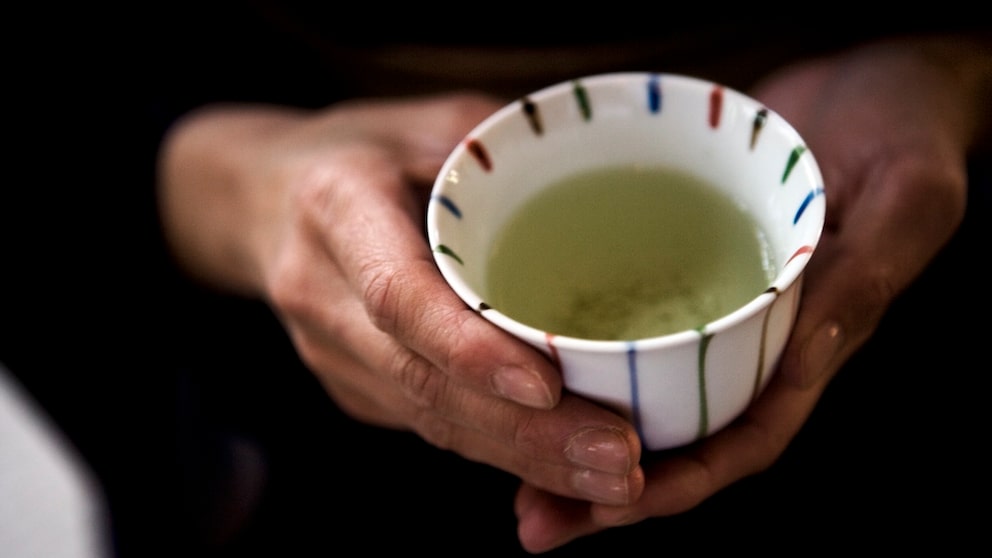
2. Green Tea
Green tea is considered health-promoting for various reasons and possibly even life-extending. Particularly noteworthy is its high content of polyphenols, which are known to act as antioxidants–especially the subgroup of catechins. These can contribute to lowering total and LDL cholesterol with regular green tea consumption, as a Chinese study showed.4 The study analyzed 31 randomized controlled trials with a total of 3,321 participants. According to the evaluation, the effect of the active ingredient is even slightly stronger when consumed as a dietary supplement.
3. Cucumber Juice – in Combination with Another Measure
A recent study found that consuming cucumber juice can lower cholesterol levels in patients with hypertension–in conjunction with cupping therapy.5 This treatment method, traditionally used for pain relief and promoting circulation, has gained importance in alternative medicine for various cardiovascular diseases. The researchers hoped for a synergy effect: The combination of cupping (as a circulation promoter) and a fiber-rich diet (cucumber juice) could together achieve a stronger effect. And this seems to be confirmed. The evaluation clearly indicated a positive impact on cholesterol levels. However, the authors emphasize that more research is needed to substantiate the results.
Another study examined the potential effect of cucumber juice on the lipid profile–this time in conjunction with resistance training in women with type 2 diabetes.6 The participants were divided into different groups: One group trained and received a placebo, another training group was given cucumber juice, a third group consumed only cucumber juice, and finally, there was a control group without intervention. After eight weeks, significant improvements in cholesterol levels and blood sugar values were observed in the women who trained and consumed cucumber juice.
4. Plant-Based Milk Alternatives
A meta-analysis of 17 previous studies showed that consuming soy drink instead of cow’s milk can lower LDL cholesterol levels by about 6 percent.7 The same applies to other “bad” lipoproteins that can contribute to arteriosclerosis. Additionally, the researchers found positive effects on blood pressure during the evaluation. The results applied to all types of soy drinks, whether sweetened or not. The researchers particularly recommend that individuals with cardiovascular predispositions replace milk-based drinks with soy drinks instead of traditional cow’s milk.
Oat drink appears to have a similar effect. The results of several studies suggest that this milk alternative–especially if it has a high beta-glucan content–can lower LDL cholesterol levels. One study demonstrated this effect solely for the product, not necessarily for oat drink as a cow’s milk substitute.8 Among the participants who consumed oat drink three times daily for four weeks, the “bad” cholesterol level decreased by about 6 percent on average. Additionally, other important values improved. As a result, their estimated risk for cardiovascular diseases decreased by an average of 8 percent.
Admittedly, milk and its alternatives are strictly considered food rather than drinks. Nevertheless, the results are relevant for daily consumption habits, especially since we commonly consider coffee a beverage.

How the Portfolio Diet Works – and Who it is Suitable for

What Are Phytochemicals and Why Are They So Healthy?
5. Coffee
FITBOOK reported on a Canadian study from McMaster University.9 The results suggest that the caffeine in coffee can lower the level of the protein PCSK9 and thus help break down excess LDL cholesterol. Coffee has long been critically viewed in relation to cholesterol levels, mainly due to the so-called diterpenes it contains. However, these are primarily consumed through unfiltered coffee. In moderation, coffee is now considered beneficial for a healthy cholesterol level.
6. Hibiscus Tea
Regular consumption of hibiscus tea can also positively influence cholesterol levels, as a study showed.10 For the study, 60 diabetics drank either hibiscus tea or black tea for a month. In the hibiscus tea group, the levels of “good” HDL cholesterol increased, while the “bad” LDL cholesterol and unfavorable triglyceride levels in the blood decreased. The researchers attributed the positive influence to the antioxidant properties of the plant compounds in hibiscus tea–such as anthocyanins and polyphenols.