


July 16, 2025, 9:04 am | Read time: 13 minutes
About one-third of people in Germany suffer from high blood pressure, making hypertension one of the most common widespread diseases. Initially, those affected often experience no symptoms. However, the consequences of hypertension are drastic. Surprisingly, there is a connection between high blood pressure and another widespread condition: depression. If detected early, hypertension can often be managed with lifestyle changes. FITBOOK editor Nuno Alves spoke with Prof. Dr. Christian Ott, a board member of the German Hypertension League, about the possibilities. These can include sports and healthy eating, as well as music and mindfulness techniques.
FITBOOK: What surprising factors influence our blood pressure in everyday life?
Prof. Dr. Christian Ott: “Blood pressure shows a seasonal fluctuation because thermal influences such as heat or cold have a direct impact on our blood vessels–dilation and constriction–and thus lower or raise blood pressure. In ‘weather-sensitive patients,’ it is suspected that fluctuations in air pressure irritate the sensitive receptors in the blood vessels, disrupting circulation. Our modern living conditions promote weather sensitivity.”
The Connection Between High Blood Pressure and Depression
What about psychological causes?
“Physical and mental health are closely linked. However, it is not always clear which is the chicken and which is the egg. It is known that people with depression are more likely to develop high blood pressure, but conversely, patients with high blood pressure are three times more likely to suffer from depression.1,2 In this context, stress, anger, and irregular work hours or shift work can also have a direct impact on blood pressure. Nighttime noise pollution can increase blood pressure, even if the sleeper continues to sleep and is not consciously aware of the noise. The human body is more sensitive to noise during the nighttime rest phase than during the active daytime phase.”
Also interesting: With these tricks, you can fall asleep despite noise
Are there other, less known factors?
“Additionally, there are two female-specific risk factors to mention, namely the early onset of menopause and pregnancy complications, such as multiple miscarriages and premature births, pregnancy hypertension, or diabetes. If a person suffers from high blood pressure, it is likely that the heterosexual spouse also has elevated blood pressure levels. One explanation could be the health behavior in a partnership, which seems to align over the years.3 There is also evidence that the frequency and duration of cell phone use increase the risk of high blood pressure.4 A possible explanation for this is a lack of physical activity or exercise.”
Also interesting: Rebecca Barthel: »This is the training women should focus on during menopause
“Music, such as classical, seems to have a positive effect on blood pressure”
What can be done to keep blood pressure in a healthy range long-term?
“Be mindful of yourself and your health. An important point is negative stress, anger, or traumatic life events, whether familial or professional. In addition to stress reduction, stress management strategies can help. However, as with other measures, such as exercise, success also depends on how they can be integrated into daily life. Music, such as classical, also seems to have a positive effect on blood pressure.5 Restful sleep depends on sleep duration, optimal sleep length, and the correct rhythm of sleep phases. Therefore, certain sleep hygiene should be maintained, including regular sleep and wake times and a sleep-friendly environment. For physical causes, such as sleep apnea, sleep diagnostics are necessary.”
Learn more about high blood pressure and sleep on the German Hypertension League website
How much do different diets affect blood pressure?
“Food is Medicine. The DASH diet, which is plant-focused but not vegetarian or vegan, has shown impressive positive effects on blood pressure.6 Lower blood pressure values have also been reported for vegetarian, including ovo-, lacto-, and pesco-vegetarian, as well as vegan diets.7 The average effect on systolic blood pressure was 5 to 7 mmHg, with the extent of blood pressure reduction being very variable and depending on previous diet and baseline blood pressure, among other factors. For example, an additional reduction in salt intake with the DASH diet showed a further blood pressure-lowering effect.8
Simply put, a healthy and balanced diet should be based on individual preferences, as implementation in daily life is necessary. Furthermore, the underlying motivation of the individual should not be overlooked, which can also be reflected in a healthier lifestyle in other areas, such as sports.”
These Foods Can Lower Blood Pressure
Are there foods or drinks that can lower blood pressure?
“New in the current blood pressure guidelines is the recommendation to increase potassium intake through food. This can be done by replacing blood pressure-raising table salt with potassium salt or by consuming potassium-rich foods such as bananas, avocados, beans, or potatoes. However, caution is advised for people with kidney problems.”
There are also ingredients in food that are supposed to be beneficial …
“Positive effects on blood pressure have also been demonstrated through the consumption of other foods and their nutrients. Blood pressure-lowering effects have been shown with beetroot or pomegranate juice, omega-3 fatty acids, coffee–especially green or lightly roasted–, green and black tea, as well as garlic and dark chocolate.9,10,11 Since significant amounts would need to be consumed for the desired effect, it is advisable for hypertension patients to consume these foods regularly as part of a balanced and healthy diet. Supplements are no substitute for a healthy diet.”

High Blood Pressure and Short Sleep Duration Increase the Risk of Dementia
How does sleep quality affect blood pressure?
“People with disturbed sleep have a one-and-a-half to three times higher risk of high blood pressure.12,13 In Germany, about ten percent suffer from insomnia and sleep disturbances, with various factors negatively affecting sleep. Insomnia is more common in women than in men. Recently, it was shown that people with high blood pressure and short sleep duration, i.e., less than six hours per night, have an increased risk of cognitive impairment and dementia.”14
What practical measures can improve sleep in this context?
“Tips for better sleep include ensuring sufficient sleep–seven to nine hours should be enough!–creating a sleep-friendly environment, such as the right temperature, no brightness, no noise, winding down before bed, and avoiding alcohol or heavy meals, losing weight if overweight, and changing sleep position. Sleeping on your back promotes snoring and sleep apnea. Sleeping pills should only be taken after consulting a doctor and for a short period.”
Also interesting: Is the clock the enemy of our sleep?
The Influence of the Gut Microbiome on Blood Pressure
What role does gut health play in blood pressure, and are there current research findings on this connection?
“‘You are what you eat,’ as the saying goes. Animal studies have shown that too much salt depletes lactobacilli in the gut while increasing blood pressure and the number of Th17 helper cells. These immune cells are associated with high blood pressure and autoimmune diseases.15 It has been known for many years that the gut microbiome–including the diversity of gut flora and concentrations of microbial metabolites–affects blood pressure. Very elegant studies have shown that by altering the microbiome, blood pressure and possibly even hypertension therapy can be influenced. Newer data also suggest a potentially significant gender-specific difference, with dysregulation of the gut flora having a greater impact on blood pressure regulation in women than in men.16 The causes can only be speculated on at present; hormonal differences may influence the microbiome.”
Also interesting: The 8 best probiotic foods for a gut-friendly diet
How effective is it to specifically lower blood pressure through breathing techniques or meditation? Are there scientifically proven methods?
“Deep breathing is a simple, quick, and effective method to immediately lower high blood pressure, with just a few breaths being sufficient.17 Regarding long-term effects, a recent meta-analysis showed a blood pressure-lowering effect for breathing exercises, yoga, and meditation.18 It is also worth checking with your health insurance provider, as many offer their insured members various courses, coaching, or videos on relaxation, stress reduction, and mindfulness.”
“Static Strength Exercises Lower Blood Pressure More Than Other Forms of Training”
Strength training is often discussed. What is your view: Should hypertension patients avoid it or integrate it appropriately?
“A recent meta-analysis examined how different types of training can lower blood pressure. It showed that static strength exercises lower blood pressure more than other forms of training.19 In isometric strength training, the body remains in a static position with tensed muscles, meaning the muscles are held under tension without movement, such as in wall sits or planks. No equipment is needed, and bad weather is no longer an excuse! Instructions for these exercises can be found, for example, on the German Hypertension League website. These exercises, which may seem very simple at first glance, are actually very strenuous and become more effective the longer you hold them!”
Also interesting: Researchers find the best training method for blood pressure
Why can blood pressure be lower or higher for a certain time after intense physical activity?
“During dynamic physical exertion, systolic blood pressure increases as a result of increased stroke volume, while diastolic blood pressure does not increase or only slightly. Only at maximum exertion does diastolic blood pressure increase, as maximum performance requires isometric muscle contraction, leading to a strong increase in peripheral vascular resistance. During physical activity, blood pressure usually rises. In the subsequent rest phase, blood pressure drops and can even fall below pre-exercise levels. Excessive blood pressure reduction can sometimes be due to some dehydration. The required amount of fluid intake also depends on the outside temperature and the extent of physical activity. Insufficient blood pressure reduction after physical exertion can be caused by emotional and psychological blood pressure increases, which tend to take a back seat during physical exertion.”
“Stress Has Been Proven to Increase Blood Pressure”
Why do some people have high blood pressure despite a healthy lifestyle, while others have normal values with an unhealthy diet and little exercise?
“Primary or essential hypertension and its development depend on a complex interplay between genetic background–more than 1,000 gene variants have been identified so far–environmental factors, and the aging process. In addition to these rather uncontrollable factors, our lifestyle also raises blood pressure. It is understandable that people with a healthy lifestyle can have elevated blood pressure values. However, it is also assumed that these patients would have even higher blood pressure values with an unhealthy lifestyle. Then, blood pressure would be more difficult to control or only controllable with more antihypertensive drugs. So, you can influence it yourself through a healthy lifestyle.”
Is there evidence that blood pressure fluctuations are directly related to stress?
“In general, stress is a natural reaction to new demands or a new situation where something needs to change because it would otherwise become ‘dangerous.’ Harmful stress is not a question of the type of stress but of its duration and dose. Stress has been proven to increase blood pressure. We can sometimes feel it, and it can be measured in studies. However, the body’s response to stress is individually different and partly genetically determined.”
What should be done?
“Try to identify the biggest stress factors in your everyday life–and look for alternatives. Blood pressure biofeedback can make the impact of stress and relaxation directly visible. In addition to stress reduction, stress management strategies can help. Again, persistence is key! It is not a one-time thing. Physical and mental health are closely linked. Therefore, it is important to be aware of the potential effects on the psyche in physical illnesses–and vice versa.”
“Many Blood Pressure Monitors Available in Stores Provide Unreliable Readings”
What should you pay attention to when buying and using a blood pressure monitor?
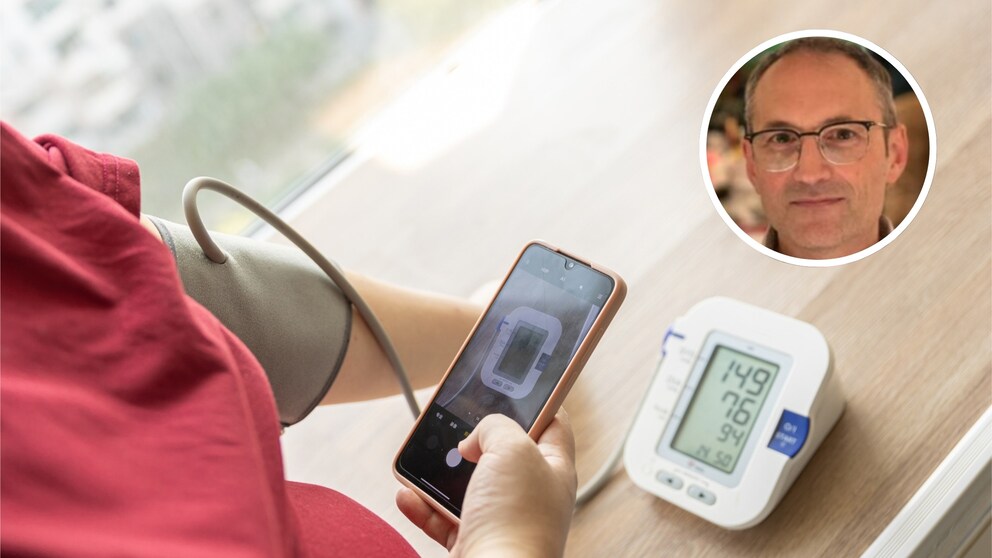
“Many blood pressure monitors available in stores provide unreliable readings, and even a CE mark under the Medical Devices Act does not guarantee measurement accuracy. Electronic blood pressure monitors are therefore validated according to established test protocols, such as the seal of approval from the German Hypertension League. However, a seal of approval is not always printed on the manufacturers’ sales packaging. An overview of validated devices can be found online, for example, at the German Hypertension League or on Stride BP. Validated blood pressure monitors are also available for different patient groups, such as children and pregnant women.”
What is important when measuring?
“When measuring resting blood pressure, it is essential to adhere to standardized measurement conditions, such as calming down, using a cuff adapted to the arm circumference at heart level, and taking two measurements at least one minute apart. It is important to know that different thresholds apply for home blood pressure measurement, namely 135/85 mmHg. At the doctor’s office, it is 140/90 mmHg. Health apps are becoming increasingly popular. There are many blood pressure apps on the market. To provide security to affected patients in this confusing market, the German Hypertension League tests blood pressure apps on various parameters. After successful testing, the apps receive a seal of approval.”
Blood Pressure Undergoes “Individual Daily Fluctuations”
Why are there daily fluctuations in blood pressure, and when is the best time to measure?
“Blood pressure undergoes normal fluctuations throughout the day. Typically, it drops at night during sleep and rises again in the morning. This is due to our circadian rhythm. Blood pressure reaches a first peak in the morning between eight and nine o’clock, drops at noon, and reaches a second peak in the late afternoon between 4 and 6 p.m. These typical blood pressure fluctuations, which occur without our voluntary intervention, are controlled, among other things, by hormones and the autonomic nervous system.”
Do other factors play a role?
“In addition, blood pressure is subject to individual daily fluctuations, such as due to activity or stress, etc. People with high blood pressure should measure their blood pressure regularly and in a standardized manner–morning and evening. Those taking antihypertensive medication should measure before taking the tablet. Seven consecutive days a month or before the next doctor’s visit are sufficient. The German Hypertension League’s blood pressure diary not only provides space for your readings but also instructions for proper blood pressure measurement. Good to know: You don’t necessarily have to start your measurement week on a Monday. The important thing is that it is a full seven days!”
What influence do e-cigarettes have on blood pressure?
“Vaping, which has become increasingly popular in recent years, can acutely raise blood pressure just like tobacco consumption. Blood pressure rises significantly after vaping a nicotine-containing e-cigarette, an effect that lasts up to 45 minutes and is thus three times longer than with conventional cigarettes.20 With an e-cigarette, theoretically, every ‘free minute’ can be used, as individual or few puffs are possible. And this, without having to discard the rest as with conventional cigarettes. Thus, the results of an American survey are not surprising, showing higher blood pressure values throughout the day when using nicotine-containing e-cigarettes compared to abstinence.21 It should be emphasized that tobacco consumption is probably the most important avoidable risk factor for cardiovascular diseases.”