


March 10, 2026, 4:28 pm | Read time: 7 minutes
The small plant substances are the secret of brilliantly bright fruit and vegetables. Without phytochemicals, our food would be dull—also from a nutritional point of view. Scientists agree: from A for “anti-aging” to D for “detox” to Z for cell protection, there is fascinating potential in these colorful particles. FITBOOK author Beke Enderstein presents the best sources of phytochemicals—including chocolate, red wine, and licorice!
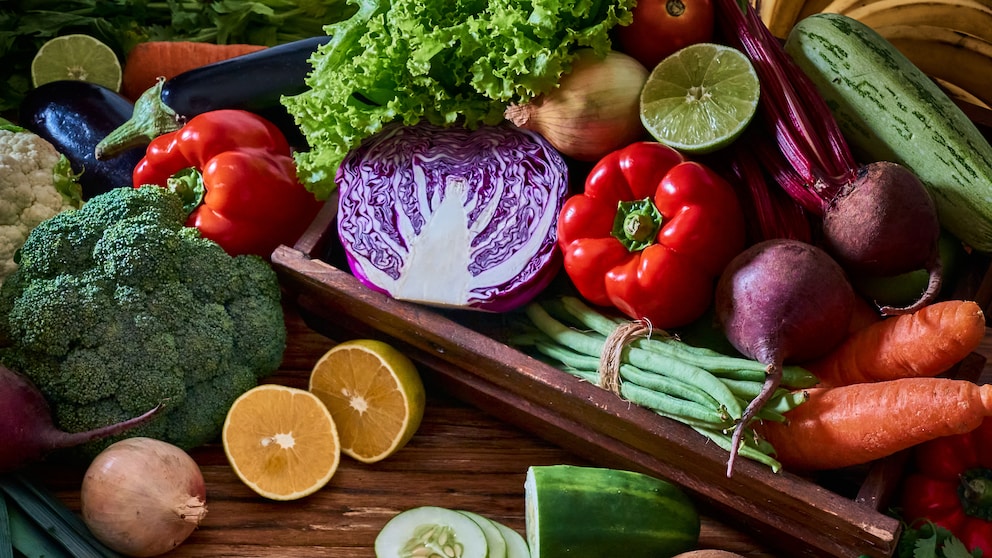
Colorful, colorful, “cell boost”: A colorful mix of fruit, vegetables, herbs, and salad forms the basis of a cell-healthy diet. If you spice up your diet with antioxidants from wholegrains, nuts, pulses, and spices, you will benefit from numerous health effects. In this regard, secondary plant substances are not only said to have antioxidant properties, but also anti-inflammatory, anti-cancer, immunomodulating, and antibiotic properties.
Overview
What Are Phytochemicals?
Secondary plant substances are compounds that are formed by plants in addition to primary ingredients such as vitamins, minerals, and trace elements. Although they are not directly considered essential—unlike vitamin C, for example—secondary plant substances support growth processes and increase plants’ chances of survival.
Without them, plants would not be able to protect themselves from predators or UV light, grow, or reproduce. As attractants for pollinating insects in the form of aroma, fragrance, and colorants, and as growth regulators, secondary plant substances are indispensable protective factors for the entire plant world.
Antioxidant Superfood: Pure Nature on Your Plate
The observation that secondary plant substances in flora are true all-rounders in the fight against insect infestation and other pests, diseases, and other negative influences on plant growth has captivated nutritional science for decades. There is therefore great hope that the health effects of lycopene—the red pigment from tomatoes—and glucosinolates from broccoli can be used specifically for human nutrition. The same applies to saponins from soy, sulphides from garlic, or polyphenols from kale—to name just a few examples.
While vitamins in particular used to be regarded as the elixir of life, a change has been taking place for some time now: More and more researchers are assuming that the combined intake of fiber and micronutrients, antioxidants (secondary plant substances), and other plant components is the secret to comprehensive health protection. It is therefore hardly surprising that a healthy diet is primarily associated with plant-based foods. Because one thing is certain: animal products and phytochemicals are mutually exclusive. What’s more, animal protein can inhibit the protective function of some antioxidants and prevent autophagy (cell cleansing): This is why green or black tea, coffee, or cocoa, for example, should not be drunk with milk!
The Most Important Antioxidants for Health: Carotenoids, Polyphenols and Co.
The best-known representatives of secondary plant substances include beta-carotene in carrots, lycopene in tomatoes, glucosinolates in broccoli, and sulphides in onions and garlic. But there are numerous other types.
How Many Antioxidants Should Be on Your Plate?
As part of a healthy diet, a variety of antioxidants from different superfoods should be served daily, if possible, in order to benefit optimally from the individual properties. However, there are still no specific consumption recommendations for secondary plant substances or antioxidants. The reason for this is that the promising research results from animal and cell studies cannot be transferred one-to-one to humans.
Anyone who follows the basic rules of a balanced, wholesome, and plant-based diet will automatically consume plenty of phytochemicals. While the focus should be on fruit, vegetables, salad, and fresh herbs, further antioxidants are provided by whole grains, potatoes, and pulses. Spices such as turmeric, as well as cocoa and matcha, provide the icing on the cake. Even red wine is added. However, this does not change the fact that the breakdown of alcohol produces cell toxins!
Also interesting: Paradox! Researchers Find Surprising Reason for Red Wine Headaches

Can the Sirt Diet Really Activate “Slimming Enzymes”?

Do You Have Osteoarthritis? What to Watch for in Your Diet
How the “Cell Booster” Diet Works
The world of phytochemicals is so diverse that numerous dishes—whether savory or sweet—and antioxidant detox drinks and smoothies can be conjured up from these fascinating plant substances. Culinary inspiration for an extra portion of antioxidants can be found here.
Breakfast
In the morning, you can banish the tiredness of the night with a green tea rich in polyphenols. These small protective particles are particularly concentrated in Japanese matcha. Coffee and cocoa beans contain flavonoids, so you can also start the morning with coffee or cocoa. However, without milk, but with a plant-based drink, as animal protein slows down cell protection. You could also choose a muesli made from oat flakes with nuts, blueberries, grated apple, and almond or soy milk, which combines numerous antioxidants. Add to this a freshly squeezed orange juice, and you have provided your cells with a wide range of saponins, flavonoids, monoterpenes, and phytoestrogens—to name just a few of the plant substances it contains!
Lunch
A colorful bowl of spinach, shredded red cabbage and carrots, tomatoes, corn, and chickpeas or baked tofu is ideal for a healthy lunch break in the office. If you like the combination of sweet and savory, spice up the “cell protection bowl” with honeydew melon or pomegranate seeds. Serve with a dressing made from olive oil and soy yogurt with turmeric, red onion, garlic, and chilli—and sprinkle the creation with sesame seeds and plenty of fresh mint before serving!
Dinner
An evening meal, albeit with a modern twist, can also provide a mix of different phytochemicals. To do this, arrange wholemeal bread on a plate with garlic and chive butter—refined with turmeric—and radishes and yellow peppers. Serve with delicious dips such as guacamole, mango papaya, or beet and horseradish spread with a cress topping.* For a warm dinner, try a fiery lentil dal, a potato and spinach casserole with carrot and green asparagus, or a cream of broccoli soup with roasted walnuts. The same applies to baked tofu or roasted oats with cauliflower rice, tomato, and chili sauce, and a generous parsley topping.
*Tip “When things need to be quick”: Nutrient-rich spreads based on sunflower seeds—which are rich in phytosterols, flavonoids, and phenolic acids—are also available to buy in a jar.
Snack
For an extra portion of phytochemicals between meals, a green smoothie made from kale and lamb’s lettuce with raspberries, orange juice, a little sesame puree, and turmeric is excellent. And for a little extra indulgence, health-conscious sweet toothers are in the right place with dark chocolate and licorice. “Additionally, the evening can occasionally be welcomed with a glass of red wine.”
Conclusion: Secondary Plant Substances as “Healthy Food”
When selecting the sources of phytochemicals presented, the motto is: the more colorful, the better! As health protection and pesticides or other harmful substances from conventional agriculture are not a dream team, I recommend giving preference to regional organic quality. As plant dyes are particularly concentrated in the skin, organically grown food can be washed thoroughly and eaten unpeeled.
Out of season, frozen spinach, broccoli, raspberries, and the like are also suitable for providing the body with an extra portion of antioxidants. As the individual groups of phytochemicals have different representatives, there is plenty of scope for individual preferences. This means that there is something for every taste.
It remains unclear whether isolated antioxidants in the form of dietary supplements offer similar health benefits. Although study results are promising, it is uncertain whether supplements can compare to the benefits of natural superfoods. From a nutritional point of view, the combination of valuable ingredients within a food in a natural combination is crucial. There is also a risk that supplements are taken in too high a dose—including side effects.1,2,3,4