


June 29, 2026, 2:03 pm | Read time: 4 minutes
It affects almost every child. The only question is when and how severe it will be. Accompanied by severe diarrhea and vomiting, a rotavirus infection can be life-threatening for infants and very young children. FITBOOK explains which symptoms parents should watch for, how to respond correctly if illness occurs, and how to prevent dangerous courses.
Watery diarrhea, vomiting, fever, abdominal pain–hardly any child is spared from the rotavirus. And generally, most recover without lasting damage. However, for infants and toddlers under two years old, an infection can be dangerous due to the high fluid loss. Fortunately, this is preventable.
Follow the FITBOOK channel on WhatsApp now!
What is the Rotavirus?
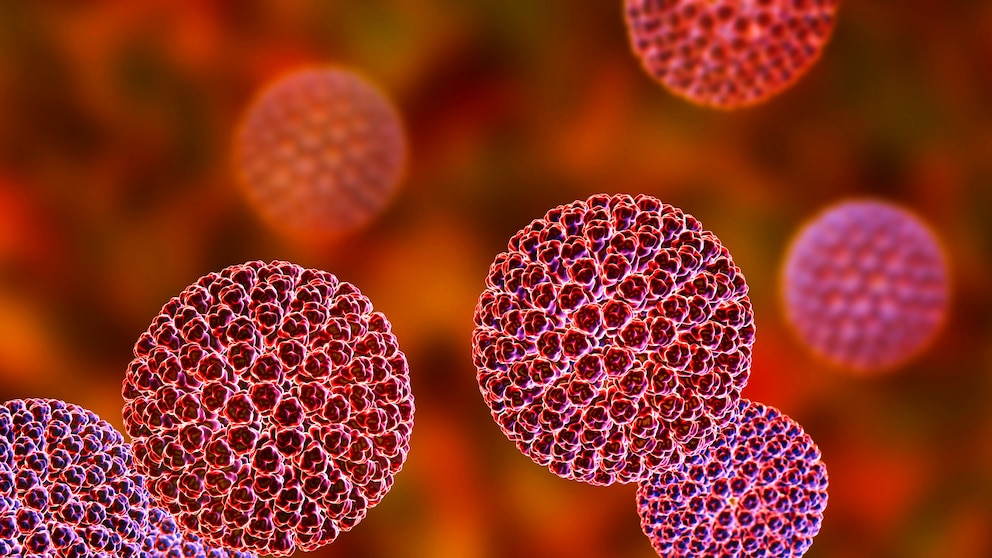
Rotaviruses are highly contagious and the most common cause of diarrheal diseases in children worldwide–especially in February and March, cases increase.1 Rotaviruses infect the gastrointestinal tract, multiply there, and cause what is known as gastroenteritis. This is an inflammation of the stomach and small intestine lining.2 The younger the child, the more severe the course usually is. In developing countries, rotaviruses are the leading cause of death in children and are estimated to be responsible for 453,000 deaths per year in children under 5 years old worldwide.3 Even in Western industrialized nations, according to the Robert Koch Institute (RKI), infants and children aged 6 months to 2 years are most frequently affected, as the child’s immune system takes several years to build up protection against the infection. Infection with rotaviruses is therefore possible multiple times in a lifetime and often goes unnoticed or is only mild in adulthood.4
Has My Child Contracted the Rotavirus? These Are the Symptoms
The symptoms of a rotavirus infection in children usually start suddenly and can quickly worsen. They include:
- Watery, severe diarrhea, up to ten times a day
- Vomiting, sometimes forceful
- Persistent abdominal pain
- Fever, usually only slightly or moderately elevated
- Loss of appetite and general fatigue
- Cough and runny nose may occur but are not required
After two to six days, the symptoms usually subside on their own.5
How to Properly Treat Your Child at Home
The most important thing: Drink, drink, drink! To compensate for fluid and mineral loss, give your child one to two teaspoons of electrolyte solution from the pharmacy every few minutes. This way, they consume about a cup of fluid per hour. Slow drinking also helps to reduce nausea. Additionally, provide still mineral water that is high in sodium, magnesium, potassium, and calcium, but low in sulfate.
According to “Pediatricians on the Net,” the “Fanconi solution” is also ideal: dissolve 3 tablespoons of (grape) sugar and ½ teaspoon of salt in 300 milliliters of orange juice. Offer small portions of this regularly as well.
Also: Do not force your child to eat; their appetite will return on its own. Until then, offer small amounts of white bread, pasta, rusks, potatoes, or bananas and completely avoid dairy products. Regular abdominal massages also help relieve pain.

With These Symptoms, You Should Go to the Pediatrician or ER Immediately
For infants and very young children, extreme vigilance is required due to the risk of dehydration from the rotavirus. Seek medical attention immediately if …
- … diarrhea lasts more than six hours in infants and more than two days in children.
- … the fontanelle in infants is sunken.
- … the mouth appears dry and chapped.
- the child appears lethargic and very sleepy.
- … the eyes are sunken, and the skin feels cool and inelastic.
- … the urine is noticeably scant and dark.
Symptoms and Treatment of Norovirus in Children

Adenovirus Infection in Children – Symptoms, Progression, and Prevention
Transmission and Incubation Period
Rotaviruses are so contagious that just ten virus particles are enough to infect a child. Transmission occurs orally-fecally, but also through contaminated food or water. The incubation period, or the time between transmission and infection, is about one to three days. As long as the virus is excreted in the stool (about 8 days), the infected child can infect others.6
Prevention and Vaccination
While hygiene is crucial for protecting against infections, unfortunately, handwashing and similar measures are not effective against rotaviruses. Since 2013, the STIKO has recommended an oral vaccination for newborns with a live vaccine. Depending on the vaccine, two (Rotarix®) or three doses (RotaTeq®) are administered starting from the 6th week of life, at intervals of at least four weeks. The effectiveness of the vaccination is considered very high and protects over 90 percent against hospitalizations. Vaccinated children may still get sick, but usually without life-threatening complications.7
The vaccination is considered very well tolerated, especially if given very early. The only exception: children with a tendency for an intussusception (a section of the intestine folds into another) should not receive the vaccination. According to current knowledge, these occur extremely rarely.8