


September 23, 2026, 7:41 am | Read time: 7 minutes
The painful session(s) at the tattoo studio are over, and the design finally adorns the desired body part. But after the initial euphoria, symptoms like a runny nose and cough suddenly develop. Why? And is this a cause for concern?
Anyone who has ever gotten a (larger) tattoo knows it’s not easy on the body. During the tattooing process, the body is tense and must endure pain—sometimes for hours. It’s no surprise that exhaustion can set in afterward, and muscle pain may occur. But what if you suddenly develop a general feeling of illness and perhaps a cough and runny nose by the evening or the next day? Are cold symptoms after getting a tattoo still within the normal range, or should you see a doctor? Is this the so-called “tattoo flu”? And why can these symptoms occur?
Follow the FITBOOK channel on WhatsApp now!
What Tattooing Does to the Body
Is it true that you burn calories while getting a tattoo? This is information found in forums and sometimes shared by tattoo artists with their clients. There is no solid scientific evidence for this, which could be because no one has seriously studied it yet. The tattooing process, due to tension and pain impulses, could at least lead to an increased basal metabolic rate, meaning you burn calories. This is not proven, but it’s not illogical and cannot be completely ruled out.
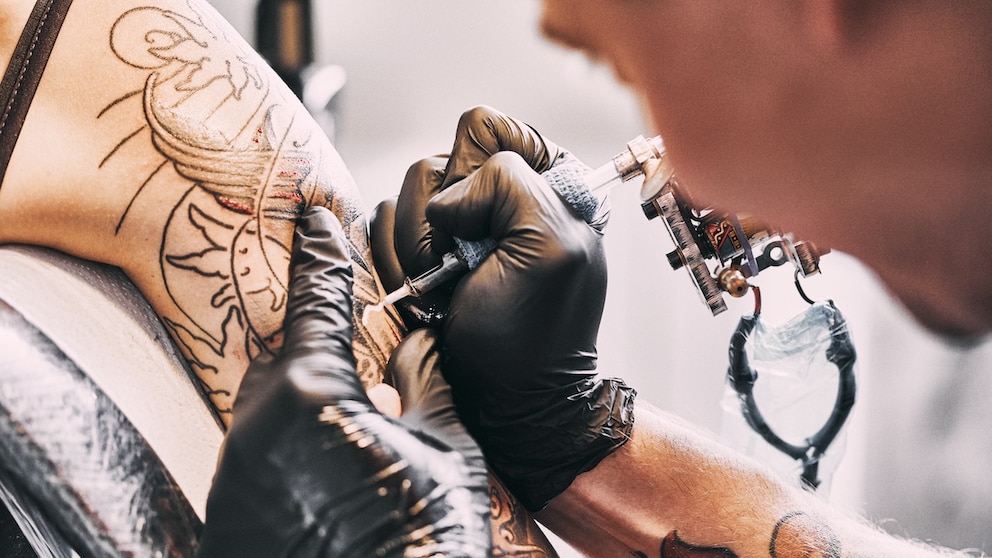
What is certain: During tattooing, pigments are injected into the skin with a needle. The process causes many small injuries. The body tries to defend itself against both. The immune system is particularly challenged.1 This often manifests simply as skin irritation. Initially, the skin is red, can burn, and may develop warmth like an inflammation. Normally, these symptoms last only about a day, then the healing process begins, accompanied by crusting and itching like other wounds. How exactly a tattoo can affect the immune system in the long term is still not well researched.2
“Tattoo Flu”–What Is It?
It can also happen that you not only feel exhausted right after getting a tattoo, but this fatigue lasts a bit longer. You might even notice mild symptoms similar to a cold. In German internet forums and international reports, the term “tattoo flu” is used.3 These symptoms are definitely a stronger reaction than previously described, but they don’t necessarily mean something serious. As mentioned, the immune system is working after getting a tattoo. It might have been slightly weakened beforehand without you noticing, so now, additionally challenged, it can’t also fight off cold pathogens. However, you should definitely monitor the symptoms.4
Tattoos Trigger Biological Inflammations
“For the body, a tattoo is a wound, to which it reacts like any other injury, with increased blood flow, swelling, and the migration of immune cells,” explains Prof. Dr. med. Michaela Axt-Gadermann at FITBOOK. The dermatologist refers to a study from January 20255: “In experimental skin models, increased inflammatory markers such as IL-1α, IL-6, and IL-8 were measured after tattooing, which were particularly elevated in the first 24 to 48 hours and then decreased. This shows that a tattoo triggers a genuine biological inflammatory reaction.”
Why Cold-like Symptoms Can Occur
And this can indeed lead to symptoms after getting a fresh tattoo. “The symptoms we feel during the flu are mostly not caused by the pathogens but by the inflammatory reaction of the immune system, the size of the tattooed area, the duration, the pain sensitivity, and the amount of ink used,” explains the expert. The length of the tattoo sessions could also play a role, in her opinion: “The longer the session, the more treated skin, more pain, longer physical tension, more adrenaline and cortisol release.”
Symptoms like fatigue, chills, or a general feeling of illness can occur because “in inflammations, whether due to infections, large-scale injuries, or large tattoos, the immune system is activated. Stress hormones can additionally increase the risk of infections because they weaken the defense.” Another challenge for the immune system is the tattoo ink, which represents a foreign body to the immune cells: “Pigment particles are taken up by immune cells and can reach the lymph nodes.”
However, the doctor also notes: “A real ‘flu’ or infection is not caused by the tattoo itself. But it can always happen that you catch a cold from close contact with a tattoo artist who has a cold.”
When to See a Doctor for Symptoms
If cold symptoms persist for several days after getting a tattoo, fever develops, and the tattooed skin changes (blisters, swelling, redness, persistent pain sensitivity), you should definitely see a doctor. It could be that the tattoo has become infected or that pathogens entered the body during the tattooing (perhaps in a non-sterile environment). You should act as you would with any wound that suddenly worsens and causes fever: seek medical help.
Don’t Go to a Tattoo Appointment Already Sick or Unwell
Because the immune system is challenged by tattooing, it’s strongly advised not to attend a tattoo appointment if you’re already sick. Reputable tattoo artists and studios wouldn’t tattoo in such a case. They ask before tattooing with a document if you’re healthy (meaning both acute and chronic illnesses), taking certain medications, pregnant, or have recently consumed alcohol or drugs. These are all factors that can negatively affect tattooing and healing.6

Tattooing Eyeballs Black–How Dangerous Is It?

Surprising Link Between Tattoos and Skin Cancer
How to Prepare for Tattooing
To prevent possible illness from tattooing and support the healing process, you can keep a few things in mind before the appointment:
- Choose a studio that maintains cleanliness and sterile practices
- Only attend the appointment if you’re healthy
- Drink and eat enough beforehand to avoid circulation problems—some tattoo artists recommend consuming carbohydrates. If it’s a longer session, a small snack, cola, and glucose can help.
- Clean the area of skin to be tattooed
- Be as well-rested as possible and avoid exerting yourself right before the appointment (especially if it’s scheduled for several hours)
- Avoid alcohol and drug consumption beforehand
- Medications like painkillers, numbing cream, or blood thinners are also off-limits before the appointment
How to Speed Up the Healing Process
After the tattoo appointment, especially if you already feel the mentioned signs like fatigue or slight discomfort, you should take it easy. It’s also better to avoid sports for the first few days. The tattoo is covered immediately after the session by the tattoo artist to protect it from clothing and dirt (also, some blood and excess ink may still ooze out). Remove this covering according to the discussed time, gently rinse the tattooed area with clear water, and care for it with healing ointment or a special tattoo ointment in the first few days. Avoid hot baths and sun exposure. And: Don’t scratch when healing begins and it itches. Scratching can reopen wounds, allow bacteria to enter, and damage the tattoo.