



June 18, 2024, 2:11 am | Read time: 8 minutes
Meningitis is caused by an infection with certain viruses or bacteria, leading to a dangerous inflammation of the meninges. Initially, the symptoms resemble those of a common flu–but the disease can become life-threatening within a few days.
Depending on the type of infection, symptoms can appear suddenly and rapidly: Bacterial meningitis has a particularly severe course and is almost always considered a medical emergency. FITBOOK author Julia Freiberger explains the causes, symptoms, and treatment options for meningitis.
Follow the FITBOOK channel on WhatsApp now!
Overview
What is Meningitis?
Meningitis is an infection with certain viruses or bacteria that causes inflammation of the brain and spinal cord membranes. The danger lies in the inflammation of the connective tissue layers surrounding the central nervous system. The pathogens enter the body and can spread through the bloodstream to the central nervous system, triggering an inflammatory response. This can cause life-threatening damage and swelling in the spinal cord and brain. If the inflammation spreads to the brain, it is referred to as “meningoencephalitis.”1
Meningitis, like encephalitis, is a serious condition that requires prompt treatment. Delayed treatment or complications can lead to long-term effects, such as memory problems, concentration difficulties, and mental disorders.
How Common is Meningitis?
In Western countries, viruses are the most common cause of meningitis, affecting approximately 17 out of 100,000 people, with about half of the cases attributed to enteroviruses. The bacterial form is rarer: Only one to two out of 100,000 people contract bacterial meningitis.2
Who is Particularly at Risk?
Anyone can contract meningitis. Infants in their first year, children, or adolescents are most commonly affected. The risk of infection is significantly higher with a weakened immune system, poor hygiene conditions, or crowded living situations.3
How is Meningitis Transmitted?
Droplet Infection
One of the most common transmission routes is droplet infection. If bacteria are present in a person’s nasal and throat area, they can be released into the air through coughing, speaking, or sneezing and inhaled by others.
Contact Infection
It is also possible to become infected through contact infection, such as touching infected nasal secretions.
Causes of Meningitis
Meningitis can have various causes: Most infections are due to viruses, bacteria, and, in rare cases, fungi. In some cases, cancer, certain medications, and autoimmune diseases can also cause meningitis.
Purulent meningitis occurs when the inflammation is caused by bacteria. Non-purulent meningitis is present when the disease is not of bacterial origin. It usually occurs in connection with a general infectious disease such as Lyme disease, tuberculosis, syphilis, and leptospirosis.
Due to its variety, the disease progresses individually for each person. Factors such as the condition of the immune system, pre-existing conditions, and the cause of the disease play a significant role. Typically, the pathogens do not directly enter the spinal cord or brain after infection. They spread only after settling in the nasal and throat area and entering the bloodstream, from where they can reach the meninges.4
Fungal Infection
Meningitis can sometimes be caused by fungi. Generally, a person with a healthy immune system is unlikely to contract meningitis caused by yeast or mold. However, it is not entirely impossible. If the immune system is weakened by another infection (e.g., HIV), a fungal infection cannot be ruled out.
Viral Infection
Certain viruses, such as herpes or arboviruses, can cause inflammation of the meninges. This often triggers flu-like symptoms that usually subside on their own after several weeks. Other viruses that could promote the development include:
- Herpes viruses
- SARS-CoV-2 (Corona)
- Arboviruses (transmitted by mosquitoes or ticks)
- Varicella-zoster virus (chickenpox)
- Epstein-Barr virus
- Coxsackie viruses (hand-foot-and-mouth disease)
Bacterial Infection
Meningitis caused by bacteria is less common but has a more severe course. The main difference from viral infections is that symptoms can appear suddenly and intensely. Due to severe complications, a bacterial infection is almost always a medical emergency and must be treated in a hospital. The following bacteria could trigger the disease:
- Haemophilus influenzae
- Group B streptococci
- Pneumococci
- Meningococci (Neisseria meningitidis)
- Listeria
- In newborns: Escherichia coli
- Borrelia
Meningitis from Borrelia
A tick bite can transmit bacteria called Borrelia. These bacteria can infect the nervous system and cause neuroborreliosis after several weeks or months, often presenting as mild meningitis. In children, meningitis is more common in connection with neuroborreliosis than in adults.
Also interesting: Remove a tick with tweezers–here’s how
Meningococcal Meningitis
Due to the available vaccination, meningococcal infections are relatively rare in Germany. However, the infection is serious, as in almost two-thirds of cases, it causes inflammation of the meninges and in one-third can even lead to sepsis.5
Symptoms of Meningitis
The disease can manifest through the following symptoms:
- Severe headaches
- High fever
- Fatigue
- Neck stiffness (often not noticeable in infants)
- Nausea and vomiting
- High sensitivity to noise and light (photophobia)
- Confusion, seizures
- Consciousness disturbances and unconsciousness
- Pinpoint skin hemorrhages
The first signs of meningitis include high fever, fatigue, and severe headaches. Most affected individuals also develop neck stiffness caused by the inflammation of the brain and spinal cord membranes. In this case, it is almost impossible for the affected individuals to bend their head to their chest.
If there is an infection with meningococci, small pinpoint spots may also appear on the skin, caused by bleeding. Another issue: In the early stages of the disease, it is difficult to determine whether it is bacterial or viral meningitis. The latter, however, manifests less severely and more slowly.6
Consequences
Early treatment of meningitis is crucial. Otherwise, various complications or long-term effects can occur–even after successful treatment.
- Sepsis
- Memory problems
- Cerebral edema
- ARDS (acute respiratory distress syndrome)
- Kidney failure
- Waterhouse-Friderichsen syndrome
- Learning difficulties
- Epilepsy
- Death
How is Meningitis Diagnosed?
If meningitis is suspected, quick action is required. A visit to the doctor or emergency room can be life-saving in some circumstances. In the initial steps of the examination, it is important to determine whether it is viral or bacterial meningitis, as their treatments differ.
Medical History
During the medical history, the patient’s medical history is discussed with the doctor, focusing on pre-existing conditions, symptoms, or current illnesses.
Physical Examination
The doctor first examines the signs of meningitis. It can be checked whether the affected person has neck stiffness by attempting to bring the chin to the chest. If this movement is painful, meningitis may be present. Another sign is the so-called “Brudzinski’s sign.” In this, affected individuals reflexively draw their legs up when lying down if they experience severe pain when tilting their head.
Examining the skin of the affected person is also particularly important. If small blue or brownish spots are visible, they may be skin hemorrhages–indicating bacterial meningitis.
Blood Test
Blood samples can be used to detect and identify the pathogens. The doctor can then recommend an appropriate antibiotic for treatment.
Imaging Procedures
With the help of an MRI (magnetic resonance imaging) or CT (computed tomography), the condition of the brain can be assessed. In some cases, it is also possible to make statements about the origin of the pathogens.
Cerebrospinal Fluid Collection
Another option is the collection of cerebrospinal fluid, which is also examined for possible pathogens in the laboratory.

Pneumonia: What to Watch for in Children
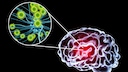
Possible symptoms of encephalitis
Treatment Options
The course and development of meningitis are difficult to predict. Therefore, it is important to start treatment quickly–preferably in a hospital. After blood or cerebrospinal fluid samples are taken, therapy can be initiated.7
Treatment for Viral Meningitis
The therapy for viral meningitis depends on the symptoms and the severity of the disease. If the inflammation does not heal on its own after a few days or weeks, intensive treatment in the hospital is required.
The following measures can be used to alleviate symptoms:
- Regular fluid intake (also intravenously)
- Medications for nausea
- Pain relievers to alleviate headaches
- Antiviral medications to inhibit the virus
Treatment for Bacterial Meningitis
If a person suffers from bacterial meningitis, speed is crucial to exclude follow-up damage or complications as much as possible. First, an antibiotic therapy is carried out–often with a broad-spectrum antibiotic like penicillin. This alleviates symptoms and reduces the risk of infection. After identifying the pathogen, the next treatment step can involve selecting an antibiotic that specifically targets the pathogen.
How to Prevent Meningitis
Prevention is possible in the sense that one can be vaccinated against most meningitis pathogens. The Standing Committee on Vaccination (STIKO) recommends a meningococcal B and C vaccination, which should be carried out as early as possible. Especially in children and infants, the immune system is not yet fully developed, putting them at a higher risk of contracting meningitis.8