

October 20, 2026, 12:30 pm | Read time: 3 minutes
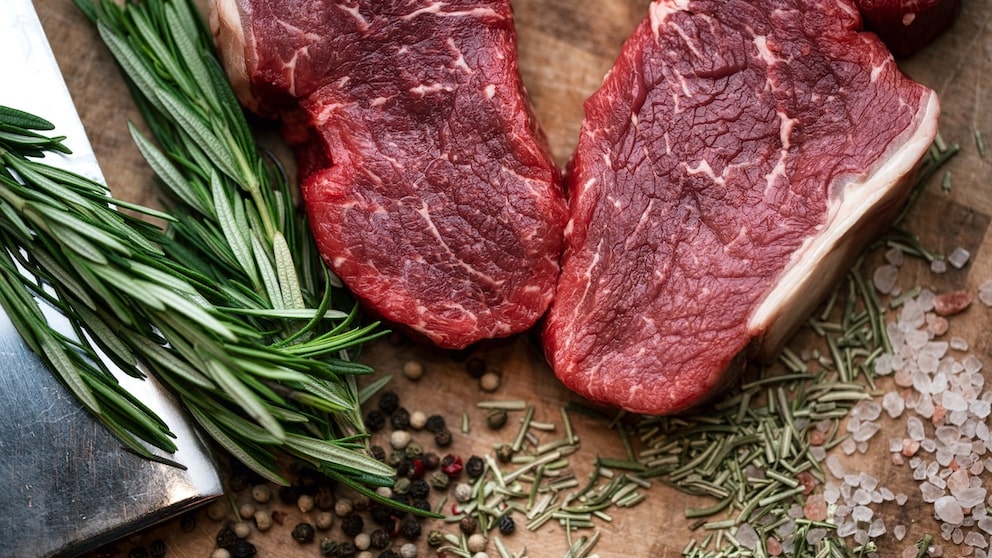
Steak, schnitzel, or burger: Red meat is a regular part of many people’s diets. But how does high consumption affect health in the long term? A new study has examined whether there is a link between the consumption of red or processed meat and the risk of pancreatic cancer.
The Greater the Consumption, the Higher the Cancer Risk
The analysis suggests that people with high red meat consumption are more likely to develop pancreatic cancer than those who eat little of it. As consumption increased, so did the risk in the studies evaluated.
How and Why the Study Was Conducted
For the overview study published in the journal “Frontiers in Nutrition,” researchers evaluated a total of 16 studies with nearly two million participants. The aim was to examine the possible link between the consumption of red and processed meat and the risk of pancreatic cancer more closely.1
The focus on this type of cancer is not without reason: Pancreatic cancer is considered particularly difficult to treat and causes many cancer deaths worldwide. Therefore, scientists are searching for modifiable risk factors. In addition to smoking and obesity, diet also plays an important role.
Studies were considered in which participants were healthy at the start and their dietary habits were recorded using questionnaires. Researchers then analyzed whether people with higher meat consumption later developed pancreatic cancer more frequently.
No Link with Processed Meat
Compared to those who ate the least red meat, participants with the highest consumption had a 16 percent increased relative risk of pancreatic cancer.
Furthermore, the study showed a linear relationship: The more red meat consumed, the higher the risk. For every additional 100 grams of red meat daily, the relative risk increased by ten percent. However, researchers did not find evidence that the risk significantly increases only after a certain consumption level.
The situation was different for processed meat. Here, researchers evaluated 11 studies. Neither the comparison of high and low consumption nor the dose-response analysis showed a statistically significant link with pancreatic cancer.
How Meat Increases Cancer Risk–and What Surprises About Poultry
How Diet Is Linked to Cancer Risk
What Previous Studies Show
The results complement earlier findings on the link between diet and pancreatic cancer. A meta-analysis from early 2026 with data from more than 1.8 million people also suggests that vegetarians are less likely to suffer from the disease than meat-eaters–their risk was 21 percent lower in the evaluation.2
Additionally, a U.S. cohort study with just over 100,000 adults showed that not only abstaining from meat but also the quality of plant-based foods could play a role. Participants who frequently consumed healthy plant-based foods such as vegetables, fruits, legumes, and whole grains had a significantly lower risk of pancreatic cancer. In contrast, a plant-based diet consisting mainly of less healthy products was associated with a higher risk of the disease.3
Also interesting: Pancreatic cancer–new blood test could significantly improve early detection
Context of the Current Study and Possible Limitations
The strengths of the analysis include the evaluation of nearly two million participants, the inclusion of both cohort and case-control studies, and the examination of dose-response relationships. Additionally, researchers assessed the study quality using a method specifically developed for nutritional research.
However, there are also limitations: Most data come from Europe and the U.S., so the results cannot be easily generalized to other populations. Moreover, the analysis is predominantly based on observational studies and dietary questionnaires, which cannot prove cause-and-effect relationships and are prone to inaccuracies. Furthermore, the included studies differed significantly from each other, complicating the interpretation of the results.