



June 11, 2026, 6:55 am | Read time: 8 minutes
Imagine you’re watching TV, resting your hand on the armrest, and suddenly it starts to tremble uncontrollably. Such movement disorders are considered typical signs of Parkinson’s, but they usually appear only in an advanced stage. The disease involves the gradual death of certain nerve cells in the brain. FITBOOK editors Julia Freiberger and Anna Echtermeyer reveal the early warning signs, the forms Parkinson’s can take, and which therapies can influence its progression.
What Exactly Is Parkinson’s?
The English doctor James Parkinson first described the main symptoms of the disease in 1871, which he then called “shaking palsy.” Today, Parkinson’s disease—alongside Alzheimer’s—is one of the most common neurodegenerative diseases worldwide. In Germany, around 400,000 people live with the diagnosis.
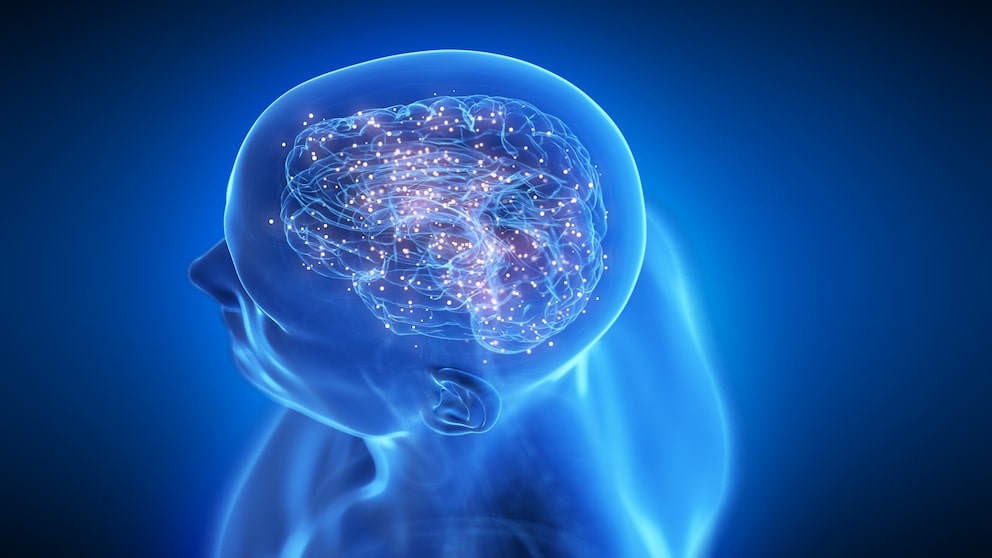
Gradually, nerve cells in the brain die, leading to a deficiency of the neurotransmitter dopamine. The result: muscle stiffness, uncontrollable tremors, and movement disorders. The exact cause of the disease is not yet fully understood. FITBOOK summarizes what current research knows about possible causes, why Parkinson’s often goes undetected in its early stages, and what treatments are available today.
How Many People Are Affected by Parkinson’s?
According to the German Parkinson Society, it is estimated that almost 400,000 people in Germany are affected by Parkinson’s, with numbers rising.1 Most affected individuals are 60 years and older. However, the neurological disease can also affect younger people: about ten percent of all patients are under 50 at diagnosis—and even younger individuals can be affected.
Globally, a significant increase in cases is also expected. Researchers estimate that by 2050, more than 25 million people worldwide will receive a Parkinson’s diagnosis. This represents an increase of 112 percent compared to 2021.2
The 4 Types of Parkinson’s Syndrome
- Idiopathic Parkinson’s Syndrome: Idiopathic means “disease without a recognizable cause.” Idiopathic Parkinson’s syndrome is the “classic Parkinson’s syndrome” and accounts for almost 75 percent of all Parkinson’s cases.
- Atypical Parkinson’s Syndrome: An atypical Parkinson’s syndrome (abbreviated as aPD or APS) is triggered by other neurodegenerative diseases.
- Genetic Form: Parkinson’s can be partially inherited.
- Symptomatic Parkinson’s Syndrome: In symptomatic Parkinson’s syndrome (abbreviated as sPD or SPS), other causes of cell damage lead to cell death. Possible causes could include brain injury, tumors, or certain medications.3
Causes of the Disease
Classic Parkinson’s (idiopathic Parkinson’s syndrome) likely begins with the death of a protein in the brain—synuclein. The disease leads to the progressive death of cells that produce dopamine.
These cells are located in the midbrain in the region called “substantia nigra,” also known as the “black substance.” This part of the brain usually functions as an important motor center, playing a central role in controlling movements. It contains special nerve cells (neurons) responsible for producing the neurotransmitter dopamine. Dopamine is crucial for communication between neurons and other nerve cells.
This process leads to a dopamine deficiency, causing an imbalance of several neurotransmitters, such as glutamate and acetylcholine. Consequences of this imbalance can include impaired movement control, which is also suspected of causing the typical Parkinson’s symptoms of movement disorders and tremors.
Why Do the Cells That Produce Dopamine Die?
The cells die because the aforementioned protein—synuclein—accumulates and “clutters” the nerve cells and their connections. The exact reasons for these processes are not known in detail. Environmental toxins like insecticides, herbicides, and fungicides likely play an important role.
Why Parkinson’s Often Goes Undetected in the Early Stages
At the beginning of these changes in the brain, the body can still compensate for the lack of dopamine. Therefore, Parkinson’s often goes undetected in the early stages. The typical symptoms, like tremors and slowed movements, only appear when about 60 percent of the affected cells have died.
The Main Symptoms of Parkinson’s
Movements Become Slower
A typical feature of Parkinson’s disease is that movements become slower and sometimes appear “frozen.” In the worst case, immobility (akinesia) can occur, affecting both voluntary and involuntary muscles. Also noticeable: All movements occur unusually slowly. The posture of the affected person can also change significantly. They are often bent forward and take small steps when walking. People with Parkinson’s increasingly struggle to control their movements—even when it comes to stopping them. They may experience a sudden movement blockade, also known as “freezing.”
Tremors (Tremor)
This condition is also called “tremor” and occurs mainly at rest. Affected individuals may experience trembling in the arms and legs, but also in the chin. Often, one side of the body is particularly affected by the tremors.
Muscle Stiffness (Rigor)
Due to the disease, the muscle tension is greatly increased, leading to body stiffness in affected individuals. Both the extensor and flexor muscles can be completely rigid.
Lack of Stability in Posture
Another main symptom is the lack of stability in an upright posture. In healthy people, postural and holding reflexes are responsible for correcting posture, preventing falls, for example. In Parkinson’s patients, these reflexes are disrupted, leading to difficulties in maintaining posture. Especially during sudden changes in movement, caution is advised: affected individuals may not be able to catch themselves in time. The risk of falling also increases.
These Are the Early Warning Signs
In addition to the main symptoms already mentioned, there are earlier signs that could indicate Parkinson’s. These include:
- Olfactory disorders
- Sleep disorders with vivid dreams and “thrashing” (REM sleep disorders)
- Fatigue, exhaustion
- Joint and muscle pain (caused by muscle stiffness)
- Fine motor skill disturbances
- Pain in the lumbar region and neck
- Restlessness, insecurity
- Changes in arm swing (e.g., when walking)
- Speech difficulties (e.g., monotone, impaired pronunciation)
- Swallowing difficulties
- Autonomic function disorders (e.g., blood pressure and digestion)
- Depression
- Mental impairments that can also lead to dementia
Course of the Disease
It’s important to mention that Parkinson’s syndrome can progress differently in each person. Generally, the symptoms of the disease intensify over time as more nerve cells die. However, symptoms can also fluctuate in affected individuals, making it particularly challenging for them to maintain independence.
Early Onset of Parkinson’s
Even before the motor symptoms of Parkinson’s appear, there may be earlier signs of the disease. However, they are usually so nonspecific that affected individuals do not expect a Parkinson’s diagnosis. Possible precursors include depression, anxiety disorders, olfactory disorders, constipation, or sleep problems.
Early Stage
The typical main symptoms, like tremors, slowed movements, or muscle stiffness, usually appear shortly before the Parkinson’s diagnosis. Other symptoms that may also occur include lack of drive, pain, fatigue, and a slight impairment of cognitive abilities.
Advanced Stage
In this stage, movement disorders occur more frequently. They can manifest as jerky movements of the arms and legs or sudden grimacing. Additionally, most affected individuals experience balance disorders, psychological issues, or swallowing difficulties.
Sudden Deterioration of Condition
Although Parkinson’s is a neurodegenerative disease, it does not typically occur in episodes. However, there may be temporary, sudden deteriorations in the condition of affected individuals, which may seem like an episode.
End Stage
Individuals in the end stage of the disease require round-the-clock help and support. At this point, all symptoms are already pronounced and significantly limit the affected individuals in their daily lives. In addition to the symptoms already mentioned, the ability to move independently is almost nonexistent. Many people in this situation rely on a wheelchair or are completely bedridden. Difficulties with speaking and swallowing also arise. The risk of pneumonia is significantly increased. Other symptoms include kidney function disorders, sleep disturbances, anxiety, hallucinations, and chronic pain. About 30 to 40 percent of affected individuals may develop so-called “Parkinson’s dementia,” which severely impairs thinking and memory.4
7 possible early symptoms of Parkinson’s disease

Rett Syndrome: When Parents Suddenly Don’t Recognize Their Child
Diagnosis of the Disease
A suspicion of Parkinson’s disease arises when at least the main symptom of slowed movement and another symptom are present.
In general, as soon as symptoms of the disease are noticed, one should see a doctor immediately. The sooner this happens, the quicker the appropriate therapeutic measures can be taken. In addition to a thorough medical history, physical examinations are also conducted. As mentioned, a suspicion of Parkinson’s disease arises when at least the main symptom of slowed movement and another symptom, such as muscle stiffness or tremors, are present. Additionally, imaging techniques can rule out other diseases. Nuclear medicine procedures (DAT scan) can also detect the disturbed dopamine metabolism in the brain.5
Parkinson’s Is Not Curable, but There Are Therapies
Parkinson’s is not yet curable. However, it is possible to alleviate the symptoms of the disease with certain medications that compensate for the lack of dopamine or slow its breakdown. The goal is to provide people with a good quality of life. Therefore, it is important that the therapy is individually tailored to the affected individuals.
In certain cases, surgery can also be helpful, where an implanted electrode exerts a kind of “interference” on the pathological brain functions (“deep brain stimulation”).
However, physical therapy, occupational therapy, and speech therapy are especially important. These forms of therapy can significantly help alleviate both physical and mental symptoms and ensure an improvement in the quality of life for affected individuals.6