

January 15, 2019, 11:20 am | Read time: 3 minutes
As discovered in two different analyses, only a few German teenagers get the recommended hours of sleep for their age at night. Here’s why.
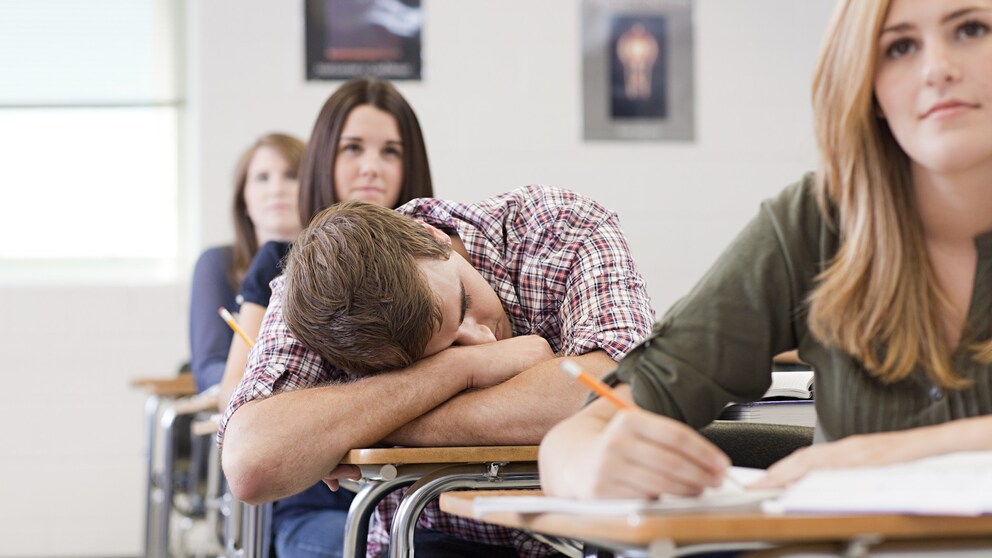
Exhausted, tired, and more sensitive to stress–according to a recent DAK* study, the annual Prevention Radar of 2018, about half of the teenagers are not at their best during the day because they sleep only about seven hours on average at night. This is considered too little. The study is based on survey results from around 9,300 fifth- to tenth-graders from six federal states.
Never miss FITBOOK topics again–subscribe to our newsletter here!
The sleep behavior of adolescents was also the subject of an analysis by the Research Center Demographic Change at the Frankfurt University of Applied Sciences. About 10,000 students were regularly surveyed over four years about their bedtimes and wake-up times (and other health conditions). It was found that within the first three years, the sleep duration of the teenagers had decreased by an average of one and a half hours.
Distractions cost students sleep
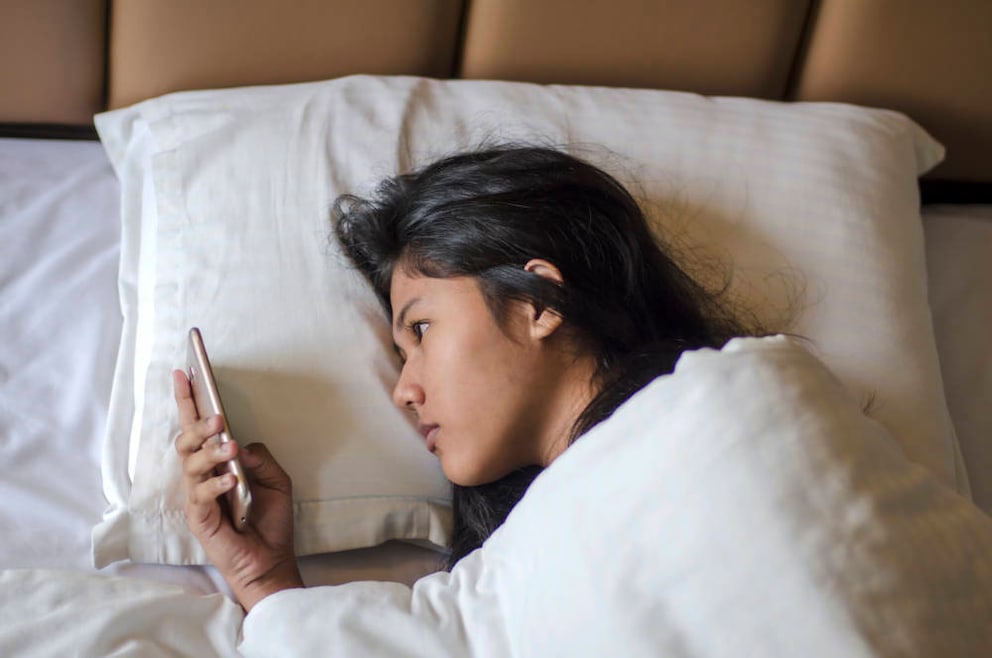
At DAK-Gesundheit, one reason for this development is seen in the increasing confrontation with digital media: cell phones, tablets, and screen devices in general are said to keep students from sleeping.
Dr. Hans-Günter Weeß, psychologist, author (“The Sleepless Society“) and head of the Sleep Center at the Pfalzklinikum in Klingenmünster, has been aware of the issue for a long time. In a FITBOOK interview, the sleep researcher also warns adults against communicating with friends or reading messages via smartphone and other devices at night. Because: Content of both positive and negative nature stimulates the mind. Moreover, the screen itself practically contributes to the deterioration of sleep quality. It is scientifically proven that its blue wavelengths inhibit the release of the “sleep hormone” melatonin. The role of this “sleep hormone” is to regulate the body’s wake phases, meaning to make one tired at night (in the dark) and awake during the day (when it gets light).
Also interesting: With this trick, (almost) anyone can fall asleep in two minutes
This is how much sleep is actually needed
According to the “National Sleep Foundation,” children aged 6 to 13 should sleep at least nine hours per night, while teenagers should still get eight. Although some people–and thus also children and teenagers–need a little more and others a little less sleep, the recommended sleep time for adolescents should not be consistently undercut.
Recommended sleep duration according to the “National Sleep Foundation”
- Newborns (up to three months): 14 to 17 hours
- Infants (4 to 11 months): 12 to 15 hours
- Toddlers (1 to 2 years): 11 to 14 hours
- Preschoolers (3 to 5 years): 10 to 13 hours
- School-age children (6 to 13 years): 9 to 11 hours
- Teenagers (14 to 17 years): 8 to 10 hours
- Adults (18 to 65 years): 7 to 9 hours
- Seniors (65 and older): 7 to 8 hours
*DAK-Gesundheit is a health partner of FITBOOK.