


April 24, 2026, 8:38 am | Read time: 5 minutes
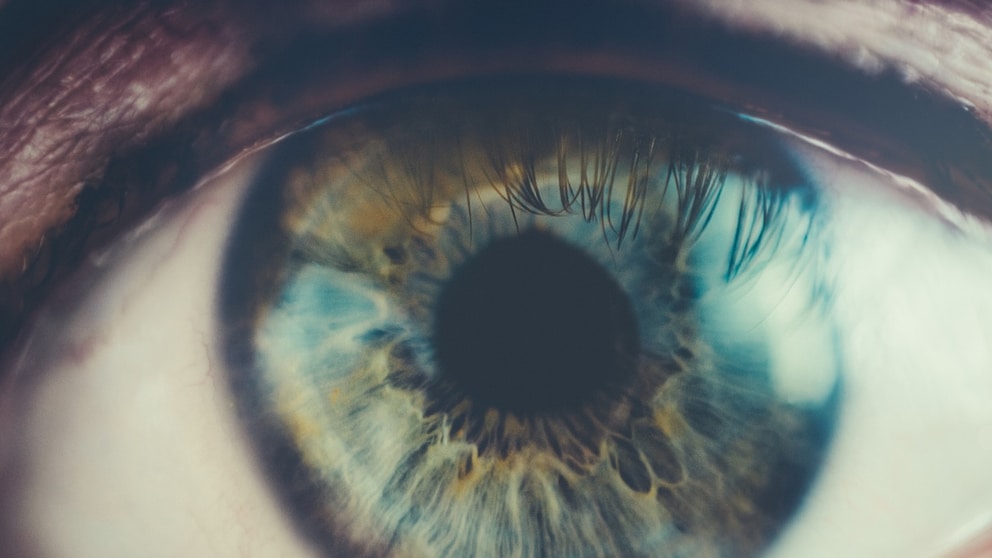
Most people are aware that smoking cigarettes is bad for our health. However, the negative effects are far more extensive than many assume. Researchers and doctors warn that smoking can profoundly damage the eyes.
Logically, when thinking about the consequences of smoking, lung diseases come to mind first. But that’s not even half the truth. Smoking introduces thousands of harmful substances into the body, damaging nearly every organ and some are even carcinogenic.1 Against this backdrop, it’s hardly surprising that smoking can also profoundly damage the eyes. The German Ophthalmological Society (DOG) even warns that tobacco smoke attacks the structures of our eyes, damaging both the retina and the optic nerve, and promotes inflammation and circulatory disorders.2 Numerous studies also support this.
Smoking as an Avoidable Risk for Eye Diseases
German researchers have reviewed the studies on the impact of smoking and published their findings in a scientific article in the journal “Die Ophthalmologie.”3 The results are alarming: According to the researchers, up to 20 percent of all new cases of blindness after age 50 are attributable to smoking. Additionally, the analysis of studies showed that smoking increases the risk of severe eye diseases such as age-related macular degeneration (AMD), glaucoma, and vascular occlusions by two to four times.
But the negative impact of smoking on the eyes often begins much earlier. Children whose mothers smoke during pregnancy are more likely to develop eye malformations and vision disorders, according to the researchers. The insidious part: “While the risks to the heart and lungs are known, the impact of smoking on vision is significantly underestimated in public perception,” says Professor Dr. med. Teresa Barth from the University Eye Clinic Regensburg in a DOG press release.
How Smoking Affects the Eyes in Detail
In their study analysis, the researchers emphasize that tobacco toxins particularly attack the macula. The macula is the center of the retina in the eye and is responsible for sharp, detailed vision and color vision. With increasing age, age-related macular degeneration (AMD) can occur. However, studies have shown that smoking doubles or even triples the risk of developing AMD.4 Moreover, the first signs of the disease appear up to ten years earlier. The risk of developing a particularly aggressive form, neovascular AMD, is even four times higher.
Smokers also have twice the risk of developing glaucoma.5 As the researchers explain, tobacco smoke has a direct harmful effect on the optic nerve and the structures that regulate eye pressure. Continuous smoking further accelerates the loss of nerve fibers and thus the progression of glaucoma. Fortunately, studies also provide positive numbers for former smokers. Those who quit smoking have only about a 25 percent increased risk of this disease compared to non-smokers.
Smoking also significantly increases the risk of endocrine orbitopathy. This condition involves protruding eyeballs in Graves’ disease. The researchers emphasize that smoking demonstrably accelerates the course of the autoimmune disease and worsens medication effectiveness. Lastly, tobacco smoke promotes the widespread Sicca syndrome, or dry eyes. “Smoke irritates the eye surface and promotes inflammatory processes,” explains Dr. med. Teresa Barth.

Who Should Avoid Instant Coffee–and Why
Eye Cancer in Children – a Noticeable Sign Indicates Illness
Damage to the Eyes of Unborn Children
The importance of a healthy lifestyle for the unborn child is well known. And, of course, pregnant women should never smoke, as it directly negatively impacts the development of the unborn child. This also applies to the development of the eyes and thus vision, as studies show.6 “If the expectant mother smokes, the risks for later eye malformations and vision defects such as myopia or strabismus in the unborn child are increased,” warns Prof. Dr. Barth.
A large study from 2021 with over 240,000 newborns followed over 18 years underscores this factor.7 The data analysis revealed that children of smoking mothers are more frequently hospitalized for eye problems. Thus, the scientists conclude that maternal smoking during pregnancy is an independent risk factor for long-term eye diseases in the child.
Quitting Smoking Reduces Risk Immediately and Sustainably
However, the experts at DOG also have good news. Studies show that quitting smoking reduces the risk of eye damage immediately and sustainably. And this is true at any age. “Quitting smoking brings immediate positive effects,” emphasizes Prof. Dr. Barth. Smoking, along with diet, is one of the few factors that can be influenced in age-related macular degeneration. “Abstinence demonstrably delays the progression of the disease and the development into more advanced stages,” explains the expert.
Even with cataracts, aside from using drops, there is relatively little one can do. But quitting smoking brings immediate positive effects and reduces the risk of developing it at all. Those planning to have children should also avoid tobacco and nicotine products to reduce the risk of vision problems in their future children.
How to best quit smoking is summarized by FITBOOK in this article: 11 effective tips to quit smoking.