


February 10, 2026, 9:53 am | Read time: 2 minutes
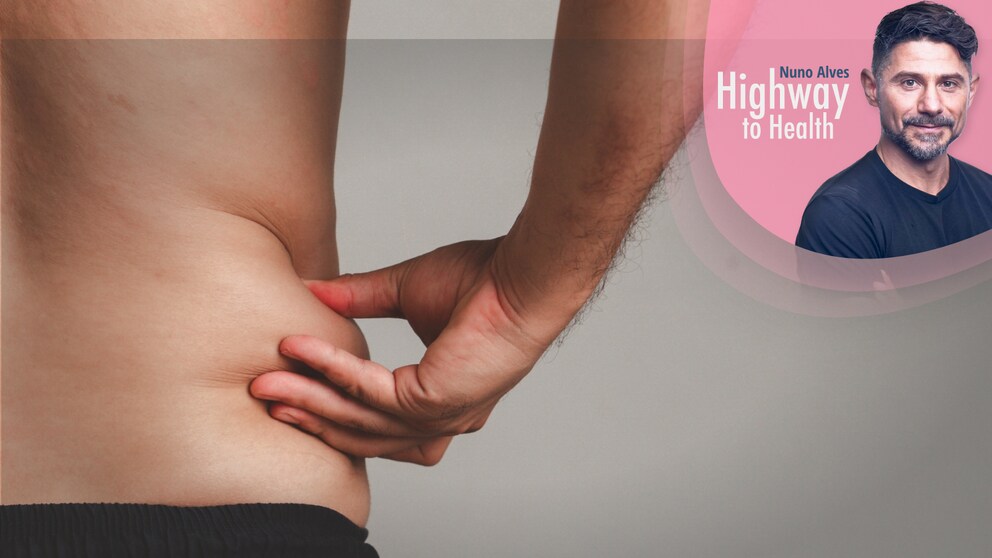
How body mass is distributed in the body is not solely dependent on weight. Everyday habits such as meal times, food choices, and physical activity significantly influence where body fat accumulates. Researchers have investigated which habits promote belly fat.
What Was Examined in the Study?
An Italian study analyzed how eating habits, food choices, and physical activity are related to the distribution of body fat. The study involved 1,640 adult patients.1 The key factor was not body weight alone, but a specific measurement called ABSI (A Body Shape Index). This describes how much fat accumulates in the abdominal area, independent of height and weight.
Visceral fat is considered particularly relevant to health, as it is closely linked to cardiovascular diseases, diabetes, and metabolic disorders. The evaluation was based on seven-day dietary records, measurements of waist, height, and weight, as well as structured questionnaires on eating behavior and exercise.

Certain Cooking Oil May Protect Against Belly Fat, Study Finds

Late Risers Tend to Have More Body Fat–Here’s Why That Might Be
The Results
Regular exercise offered the best protection against belly fat. Those who were active had significantly better values, regardless of weight. On the other hand, waking up at night to eat had a particularly negative effect, clearly associated with more belly fat.
Additionally, it was shown:
- Those with a strong preference for sweets (instead of salty foods) had less favorable values.
- Individuals who ate legumes and fish more frequently, but avoided processed meats (such as sausage), had a more favorable fat distribution.
What Does the Study Mean?
Even at the same weight, fat distribution can be completely different. Lack of exercise and waking up at night to eat are directly linked to risky belly fat. A plant- and fish-based protein choice had a positive effect. Regarding nighttime eating, researchers suspect it is particularly harmful because it disrupts the natural biorhythm of metabolism. Important for context: The study shows statistical correlations based on self-reports but does not provide strict cause-and-effect evidence.
Found an error? Please send feedback to: highway2health@fitbook.de.