


February 26, 2026, 9:37 am | Read time: 5 minutes
When sock marks remain on your legs, your belt needs to be a hole wider, or your shoes are suddenly too tight, many people think of water retention—but did you know that there could be a serious heart condition behind it? Cardiologist and FITBOOK expert Dr. Schneeweis explains heart failure, also known as cardiac insufficiency.
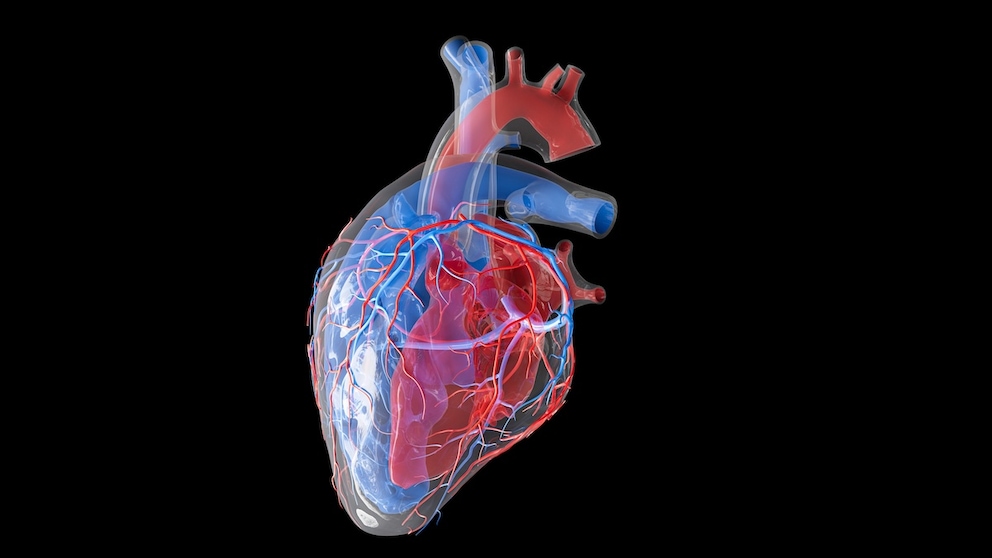
Heart failure can manifest in various ways: At times, the heart is too weak to pump sufficient blood, and at other times, it cannot relax properly. Both can have dangerous consequences. Yet, the warning signs frequently go unnoticed as individuals might not link the symptoms of heart failure to a cardiac condition. In this installment of FITBOOK Experts, cardiologist Dr. Christopher Schneeweis elucidates how to recognize if your heart is in distress, identifies potential causes, and discusses contemporary treatment options.
Overview
- “We Distinguish Between Two Different Types of Heart Failure”
- Dr. Schneeweis on the Symptoms of Heart Failure: “You Notice That Your Legs Are Fat or Your Trousers No Longer Fit”
- “Long-Term High Blood Pressure and Diabetes Can Promote Heart Failure
- “Pacemakers Can Also Treat Heart Failure”
- About the FITBOOK Expert Dr. Schneeweis
“We Distinguish Between Two Different Types of Heart Failure”
FITBOOK: What is heart failure?
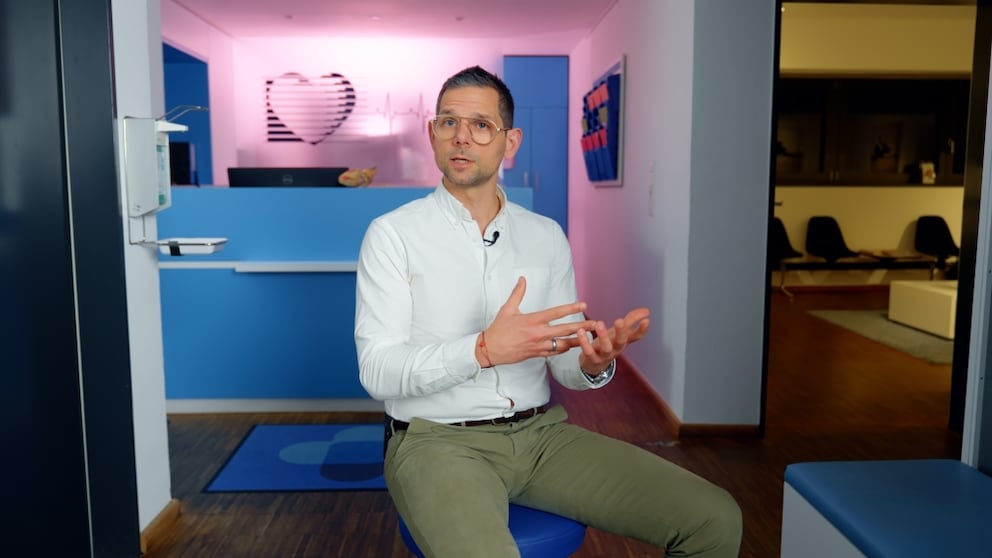
Dr. Christopher Schneeweis: “To begin with, heart failure refers to the heart’s inability to function adequately. In principle, we distinguish between two different types of heart failure. The most common type is a weaker beating heart. But there is also heart failure in which the heart may even pump normally, but can no longer relax properly. This is called diastolic dysfunction, i.e., relaxation dysfunction. Heart failure is a very serious condition. We know that mortality increases the more frequently symptoms occur or the more often patients have to go to the hospital as a result.”
Dr. Schneeweis on the Symptoms of Heart Failure: “You Notice That Your Legs Are Fat or Your Trousers No Longer Fit”
How can I notice heart failure?
“The symptoms of heart failure can vary. I can feel fatigue or increased tiredness, but perhaps also symptoms of breathlessness under stress or, in the worst case, even at rest. Water retention may occur. You might find it difficult to fit into your socks. You notice that your legs are fat or your trousers no longer fit, for example, or your belt has to be adjusted one hole wider because there is water retention in your body.”
“Long-Term High Blood Pressure and Diabetes Can Promote Heart Failure
What can cause heart failure?
“Heart failure can be caused by many different heart diseases. For example, heart attacks. However, heart failure can also be caused by heart muscle disease or inflammation of the heart muscle. Chronic circulatory disorders of the heart muscle, which may not have caused a heart attack, could also cause heart failure. And then we have the increased stiffness of the heart, known as diastolic heart failure. This can also be promoted by other risk factors such as longstanding high blood pressure, diabetes, and the like. Cardiac arrhythmias can also cause heart failure. Tachymyopathy, in which the heart beats permanently faster, can also result in heart failure. This occurs most frequently with atrial fibrillation. This is a cardiac arrhythmia that generally occurs in the atria, but can also cause the ventricles to beat extremely fast if the atrial fibrillation is transmitted too quickly. This can lead to weakness of the heart. However, cardiac arrhythmias from the ventricles can also cause heart failure. If there are a lot of extra beats from the ventricle, the heart function could also suffer and cause heart failure.”

Cardiologist Dr. Schneeweis: “Heart arrhythmias can, in principle, also be cured.”

Cardiologist on Coronary Heart Disease: “Sudden Cardiac Death Can Be the First Symptom in the Worst Case”
“Pacemakers Can Also Treat Heart Failure”
How is heart failure treated?
“Depending on the cause of the heart failure, we must, of course, first treat the cause. Secondly, we also have modern medication available that can potentially support the heart’s performance. But systems that are implanted, such as pacemakers, can also help treat heart failure.”
Can heart failure be cured?
“It always depends on the cause of the heart failure. But with modern medication and therapy concepts, we already have the opportunity to have a very positive influence on heart failure in some cases.”
About the FITBOOK Expert Dr. Schneeweis
Dr. Christopher Schneeweis is a specialist in internal medicine and cardiology. He completed his training at Justus Liebig University Giessen, Charité Berlin – where he worked for more than seven years at Charité’s German Heart Center – and the Bethanien Cardioangiology Center in Frankfurt/Main. With his podcast “Herzcheck.” and as @doc_schneeweis on Instagram, he makes medical knowledge accessible to laypeople. The cardiologist is the protagonist of the 3rd season of FITBOOK Experts; other experts are dermatologist Dr. Emi Arpa and dentist Dr. Anne Heinz. You can find all the episodes with the doctors here.