

April 26, 2023, 2:04 pm | Read time: 4 minutes
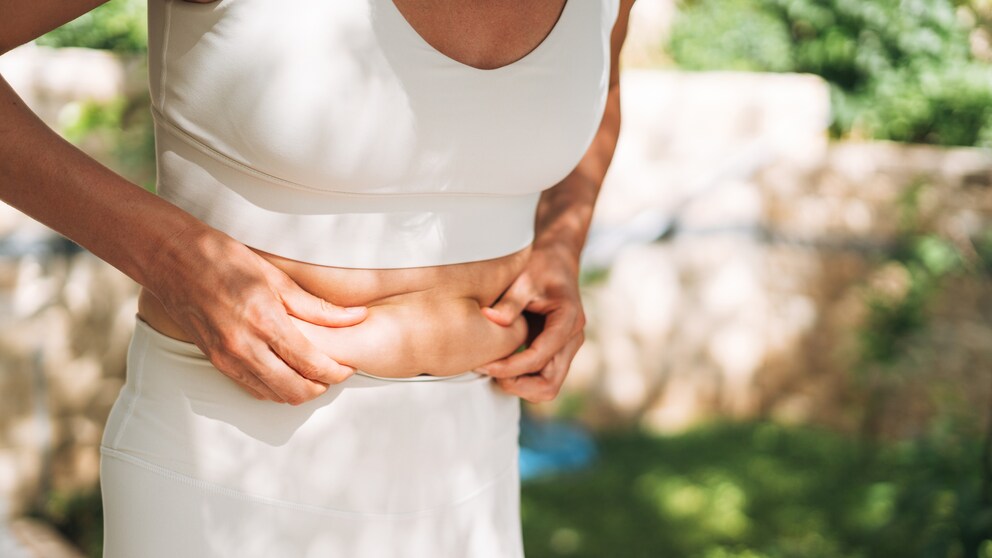
The term “Skinny Fat” describes a common phenomenon: Although the figure appears slim, fat deposits accumulate in certain areas of the body, appearing soft and not very firm. FITBOOK spoke with an expert about the possible causes and shows which measures can really help.
Follow the FITBOOK channel on WhatsApp now!
Giving up a lot for the perfect body and sticking to strict diets can make you look thinner. However, there are quite a few women whose body fat percentage remains the same, and certain body regions do not respond to the diet. In fact, in this case, the weight loss regimen could contribute to the “Skinny Fat” phenomenon (translated as “thin fat”).
What exactly is “Skinny Fat”?
Although the term “Skinny Fat” is a contradiction in itself, it is a phenomenon that affects many people. It generally describes a body type where the body fat percentage is relatively high while muscle mass is very low. Since weight and Body Mass Index (BMI) are in the normal range, it is often difficult for those affected to understand where the extra fat pockets come from and how the body can appear firmer again. The problem is that these small flaws often go unnoticed and are dismissed as harmless.
Problems caused by “Skinny Fat”
People who are “skinny fat” appear very slim and seem fit at first glance. “They can look thin but still have poor body values,” explains Maren Naue. The proportion of muscles is lower than that of fat, and the connective tissue is relatively weak. Being thin is therefore not an indicator of health and fitness, the expert knows. Soft fat tissue accumulates especially on the buttocks, abdomen, and thighs, and cellulite often appears in the form of small dimples for many affected individuals.
A few extra pounds are not harmful to health
“A few extra pounds are not a problem; rather, it’s about a healthy diet and regular exercise,” explains the expert. Accordingly, women of normal weight are often better trained and even have a healthier body fat percentage and better blood values than very slim women with “Skinny Fat” proportions.
When is someone considered “skinny fat”?
Since people with “Skinny Fat” are usually of normal weight, it is not always easy to determine if they are affected. However, a first indication can be the waist circumference. If it is more than 88 cm for women (102 cm for men), according to the German Obesity Society, it is considered “Skinny Fat.” Particularly affected can be working individuals who move little in everyday life or suffer from high stress. Even small changes in everyday life, such as walking instead of driving or taking the stairs instead of the elevator, can help prevent “Skinny Fat.”

Why Visceral Fat Can Also Be a Problem for Slim People

Intense Home Workouts for Legs and Glutes
Causes of “Skinny Fat”
Especially harsh crash diets can lead to “Skinny Fat”: When the body loses weight very quickly, muscles are the first to break down. Even in sports–according to Naue, the be-all and end-all for a healthy body–you can do a lot wrong. While jogging or spinning burns a lot of fat, “a comprehensive training program should include muscle-building exercises, which are often neglected,” the expert knows.
3 Tips against “Skinny Fat”
1. Balanced Diet
Naue advises a balanced diet: “It’s no longer a surprise that a balanced diet is essential for health.” Foods with “hidden sugars” like white bread or ready meals, as well as fried foods, promote fat storage. The expert therefore recommends a balanced diet without fast food. An ideal basis is one part vegetables, one part proteins–whether plant-based or animal–and one part carbohydrates.
2. Less Stress While Eating
Starving is not a solution: Out of shock and to store reserves for worse times, the body puts on fat deposits. Therefore, pay attention to a healthy, ideally protein-rich diet–proteins are crucial for building and maintaining muscles. The fitness expert advises eating more intuitively and sensibly. It’s important to eat without compulsion. If you like to have breakfast, do it. If you’re not hungry in the morning, don’t force yourself to eat. “The less you’re prescribed, the more relaxed your attitude towards food becomes,” explains Maren Naue. We are all stressed by eating, and that can also lead to “Skinny Fat.”
3. Combine Cardio and Strength Training
“Everyone should exercise at least twice a week,” advises Naue. The combination of cardio and strength training is important. “Women should definitely not do only cardio. It’s not about losing weight, but about improving overall health. If you can jog for 30 minutes, you live healthier and are fitter.” Strength training, whether with weights or your own body weight, is also important for women to strengthen the body. “Skinny Fat” will then disappear on its own, the expert knows.