


December 25, 2025, 8:14 am | Read time: 4 minutes
Time for rest, but one thing is really acting up: the aching tooth. Why toothaches bother us more at night, why a dentist advises against chewing on a clove to relieve the pain, and how effective prevention against cavities can succeed.
One Reason for More Intense Toothaches at Night: In a Warm Bed, Inflamed Tissue Expands
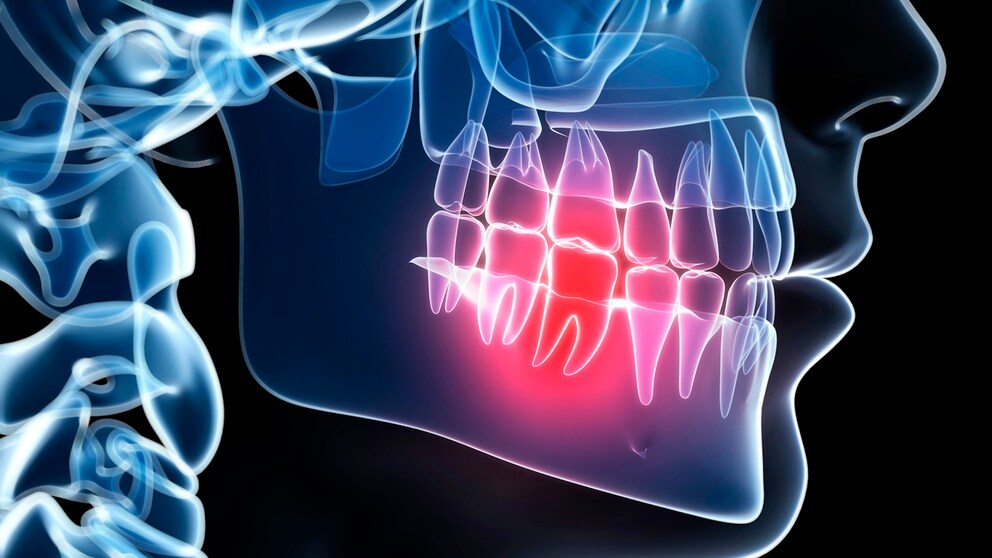
Sleeping would be nice now. But a tooth is disrupting restful sleep—it throbs and pulls more than during the day. This is “not imagined,” says dentist Jochen Schmidt from Carree Dental in Cologne.
According to the doctor, there are several explanations for why toothaches often bother us more at night—an overview:
- The pain can seem worse than during the day “because we are not distracted and focus more on it,” says Schmidt.
- Because it’s so cozy and warm in bed, the inflamed tissue expands. This can also worsen the discomfort.
- In the evening, our body also produces less cortisol. This is a hormone that has a pain-relieving effect.
Bridging the Wait With Painkillers and Cold
So, what to do if a tooth is acting up and robbing you of sleep? The first to-do for the next morning is set: make a dentist appointment if it hasn’t been done yet. After all, toothaches indicate something is wrong in the mouth, such as due to cavities, a root infection, or periodontitis.
And how do you bridge the time until the appointment? Cold can be soothing, such as in the form of an ice cube to suck on or a cold pack wrapped in a cloth placed on the cheek.
Painkillers like ibuprofen and acetaminophen also relieve discomfort. However, according to Schmidt, they should be used for a maximum of three days because they can have side effects.
Better Not to Chew on a Clove for Pain Relief
What is also supposed to help: chewing on a clove. An essential oil that it contains—eugenol—is considered pain-relieving and anti-inflammatory. However, Jochen Schmidt advises against this home remedy. He and his colleagues have “repeatedly” had to remove clove remnants from between teeth. The cause of the discomfort has rather worsened as a result.
Possible Causes of Toothaches
The most common cause of toothaches is untreated cavities (tooth decay), which can develop from pulp inflammation to root infection. If a cavity penetrates the dentin (the tooth substance beneath the enamel layer), the fine nerves in the pulp react sensitively to stimuli such as heat, cold, sweets, or pressure. As long as the pain subsides shortly, the inflammation is considered reversible.
Progressive cavities, leaky fillings, and impacts or accidents can inflame the tooth pulp. A so-called pulpitis can be temporary or permanent. Typical are persistent, throbbing pains—especially at night or after warmth.
Untreated pulpitis, in turn, can lead to pus forming around the tooth root. This causes severe, pulsating pain, swelling, and pronounced sensitivity to pressure.
An inflammation of the gums around an erupting wisdom tooth, where bacteria accumulate under a gum flap, is called pericoronitis.1
Less Common Causes
- Sinusitis: Pain in the upper jaw is mistakenly perceived as a toothache.
- Serious complications like Ludwig’s angina (deep soft tissue infection under the tongue) or cavernous sinus thrombosis (brain vein inflammation) are very rare but potentially life-threatening.

How to Prevent Your Dental Implant from Becoming Inflamed

How Often Should You Brush Your Teeth?
When Toothaches Are a Case for the Emergency Room
Swelling in the cheek and mouth floor area, fever, head/neck pain, or restricted mouth opening are warning signs of a spreading tooth infection. If the cheek swells, fever occurs, or the pain pulses, do not hesitate to seek emergency care.
Prevention—How Effective Cavity Protection Succeeds
According to the S3 guideline for cavity prevention by the German Society for Dental Preservation (DGZ) and the German Society for Dental, Oral, and Maxillofacial Medicine (DGZMK), effective cavity protection is not based on a single measure but on a combination of several routines.2 These include:
- thorough tooth brushing twice daily with fluoride toothpaste
- regular cleaning of interdental spaces—preferably with interdental brushes
- a sugar-conscious diet
- regular check-ups with the dentist
- for increased cavity risk, experts suggest fluoride varnishes or gels may be useful
- An often underestimated protective factor is saliva: It neutralizes acids and supports the natural repair of the tooth surface—so chewing sugar-free gum after eating is beneficial for your teeth.
For children and adolescents with deep fissures, the guideline also recommends fissure sealing to protect vulnerable areas from cavities in the long term. The goal: comprehensive, lifelong dental care that prevents toothaches from arising in the first place.