


October 27, 2026, 4:55 pm | Read time: 5 minutes
As a passionate sauna-goer, I’ve long known how much I enjoy the combination of exercise and heat. On vacation, I had the chance to make it a daily ritual again.
3 Sauna Sessions Daily, Two Weeks Straight
I love the sauna. So much so that I’ve used my gym membership for years just for that. My love for the sauna increased even more after becoming a mom. The Finnish sauna is the best retreat because my five-year-old son definitely won’t follow me there! “Mom, it’s really too hot!”
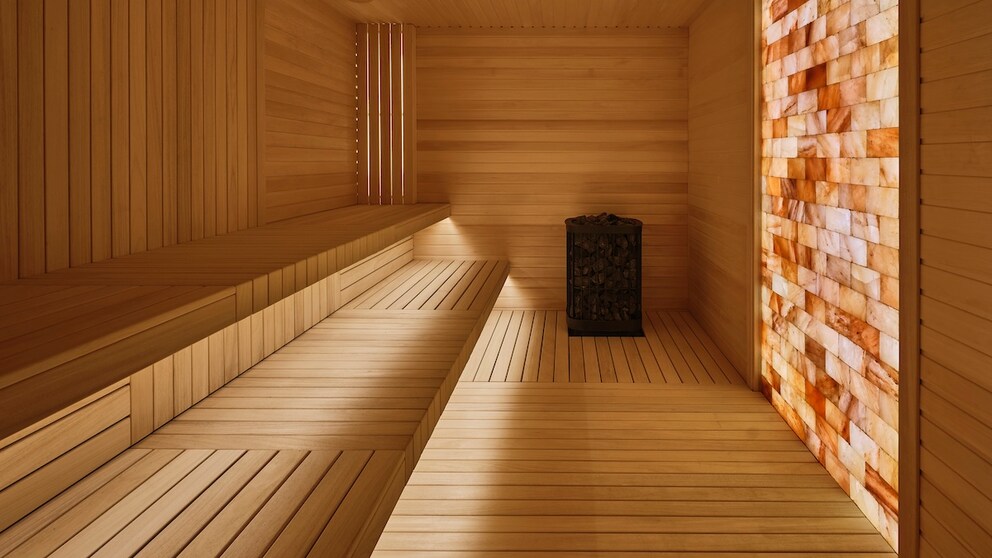
Sometimes I manage to go once a week, sometimes only once a month–and once a year, every day. Three sauna sessions, 14 days in a row–my daily vacation ritual. Always after hiking and before dinner, when people in South Tyrol meet for an aperitivo, I sneak off to the sauna hut still in my hiking clothes. I leave my hiking boots outside as a “Occupied!” sign, lock the door from the inside for safety, and sit in the preheated sauna. While others pour themselves a spritz, I prepare an infusion.
How My Body Reacted to Daily Heat
Over the two weeks, I spend ten hours at 90 degrees Celsius, two percent of my vacation time. Even for an experienced sauna-goer like me, it’s no walk in the park. Initially, my pulse quickens repeatedly, and the heat becomes uncomfortable after ten minutes at the latest. After a few days, I notice the first change: My heartbeat remains calm, and the heat hardly bothers me anymore. I sweat without feeling exhausted. My body gets used to the frequent sweating, and I look forward to sweating it all out again in the evening.
Where I usually don’t take cooling down after sweating too seriously and prefer lukewarm showers because I’m cold-averse, I go ice-cold during these two weeks. To not miss out on vascular training, which is only triggered by a strong interplay between heat and cold, I first cool my airways in fresh air for 30 breaths after each sauna session and then step into the 14-degree Celsius cold bathing pond. It gets easier day by day, and in the second week, the switch between heat and cold is no longer a challenge but pure relaxation.
No Muscle Soreness Despite Daily Exercise
I’m amazed that during these two weeks, muscle soreness is absent–despite long hikes and final marathon preparation (I won the starting spot). My legs feel fresh every morning, ready to go. As if someone pressed the reset button overnight! The mechanism behind it is no magic: The heat stimulates heat shock proteins, which promote muscle protein synthesis and slow down protein breakdown (FITBOOK reported).
Swollen knees, which I often have after long runs or downhill hiking, I regenerate before and after the sauna with cold knee showers à la Sebastian Kneipp to restore joint mobility. It helps me a lot.

How Do the Different Types of Saunas Differ?

The Mistake Many People Make After the Sauna
What Daily Sauna Does to Heart and Circulation
Feeling increasingly comfortable in the heat after a few days is not necessarily an illusion. In fact, the body can adapt to regular heat exposure. Scientists refer to this as heat acclimatization. Among other things, blood plasma volume can increase, sweat production can start earlier, and the heart can beat less quickly under the same strain. Initial adaptations can occur within a few days.
However, sauna is anything but inactivity for the circulatory system. To get rid of excess heat, the body dilates blood vessels in the skin. The heart beats faster and pumps more blood through the body. Blood pressure can drop in the process. This also explains why some people experience circulatory problems or feel dizzy after a sauna session.
The rapid switch to cold water is particularly demanding. There, the opposite initially happens: Blood vessels constrict, and blood pressure can rise sharply. For me, this temperature change was a delight. From a medical perspective, however, it means additional strain on the heart and circulation. People with certain cardiovascular diseases or low blood pressure should therefore be cautious.
Also interesting: Finnish, Banya, Sanarium–how sauna types differ
Sweating, Towels, and What I Take Into My Daily Life
How much fluid I sweated out in the total of 42 sauna sessions, I naturally don’t know. My impression is that it increased slightly over the two weeks. Depending on temperature, duration, and person, several hundred milliliters can accumulate in a sauna session. During and afterward, I naturally made sure to rest and drink enough–but definitely no spritz.
If you think you’d look like a shriveled prune after two weeks of daily sauna, I can reassure you: The opposite was true. My skin looked rosy and fresh. Less pleasing, however, was my towel consumption–although I didn’t have a logistical problem with it, as the accommodation fortunately provided them.
By the way, the daily sauna ritual did my soul a lot of good. Breathing deeply, simply doing nothing–”just” perceiving my own body. In my daily life, this is often neglected.
P.S.: I haven’t caught a cold since then.
P.P.S.: At home, a sauna has been sitting unused for years. I should revive it.
Disclaimer: This article describes personal experiences and is not a recommendation to sauna daily. How well the body tolerates heat varies individually. People with cardiovascular diseases, low blood pressure, or other relevant pre-existing conditions should first consult a doctor to determine if sauna is suitable for them. Especially the abrupt switch from high heat to cold water can heavily strain the circulatory system. Sauna should be avoided in cases of fever, acute infections, or fluid deficiency. Important are sufficient fluid intake, appropriate rest periods, and short, individually tolerable sauna sessions. If dizziness, nausea, or circulatory issues occur, the sauna session should be ended immediately.