


January 9, 2026, 9:44 am | Read time: 8 minutes
What could be better than relaxing in a sauna, sweating, and boosting your metabolism during gray and cold weather? Not only expensive wellness oases but also many gyms and hotels offer spa areas, often equipped with a Finnish sauna. However, there are many other types of saunas. From infrared saunas to Banja, the selection is vast. FITBOOK provides an overview.
Overview
Types of Saunas
Finnish Sauna
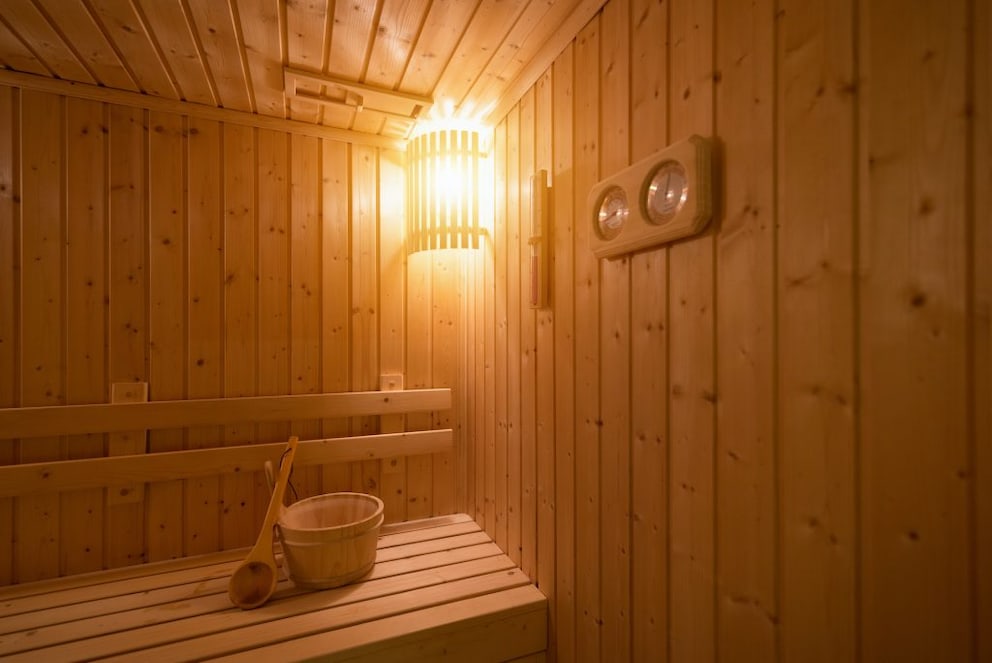
The Finnish sauna is the classic among saunas, as the Finns are considered the inventors of sauna culture. Only wood is used in its construction, giving this type of sauna a warm and cozy atmosphere. Visitors can perceive a slightly sweet wood scent. The temperature in the Finnish sauna never falls below 70 degrees, usually ranging between 80 and 100 degrees. The humidity is between ten and 20 percent. Unlike in Germany, Finns typically do not use scented additives and prefer pure water for the infusion.
The more traditional form of the Finnish sauna is the so-called “earth sauna,” which is embedded in the ground. An internal stove, fueled by wood, can reach temperatures of up to 110 degrees Celsius.1
Effects on the Body
Due to the combination of high temperature and low humidity, the Finnish sauna promotes sweating and can help relax muscles, improve blood circulation, and strengthen the immune system. It can also promote mental relaxation.2
Russian Sauna: Banja
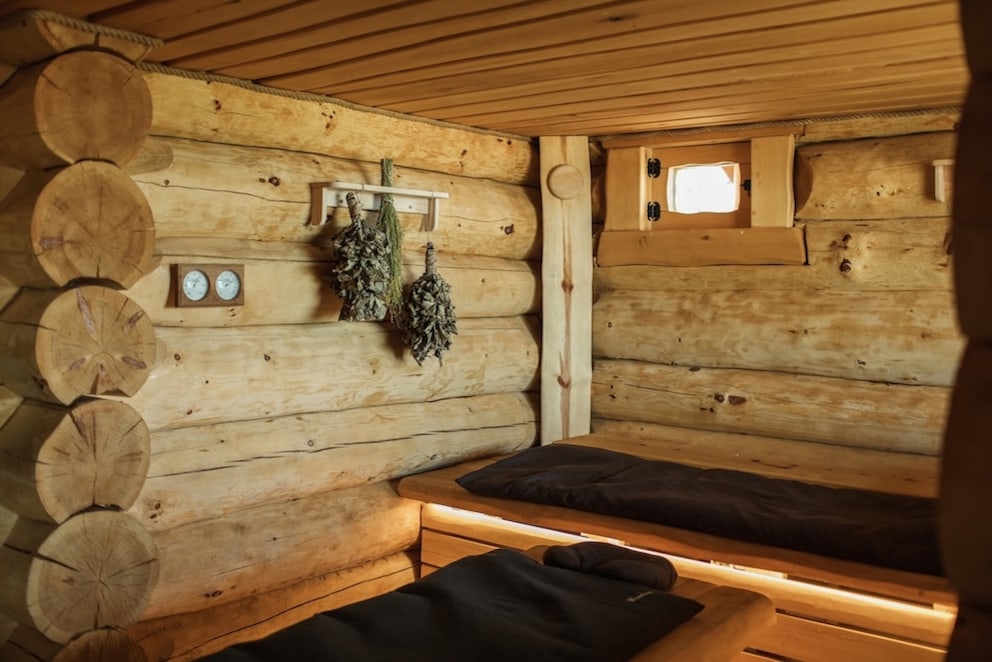
The Banja is the Russian version of the sauna. It is similar to the Finnish version but differs in its procedure. In the Banja, the infusion is done using so-called Weniks: leafy birch branches that are ideally soaked in water for several hours or overnight. This creates a pleasant birch scent in the sauna. After the infusion, the branches are used to lightly beat the body, increasing blood circulation and raising the humidity in the sauna. On the skin, the 80 to 100 degrees feel even hotter. Additionally, the sauna consists of two rooms: a sweating room and a washing or cleaning room.
Special Features of This Sauna
Interestingly, the Russian sauna strictly separates genders. The Banja also plays a central role in maintaining social contacts within Russian culture. It is also common for infusions to be made with hot water or ice, enriched with essential oils. Instead of a ladle, birch branches are dipped in birch broth and struck over the hot stones. The resulting high humidity has a calming effect on the body and mind and increases the perception of warmth.3
Sanarium
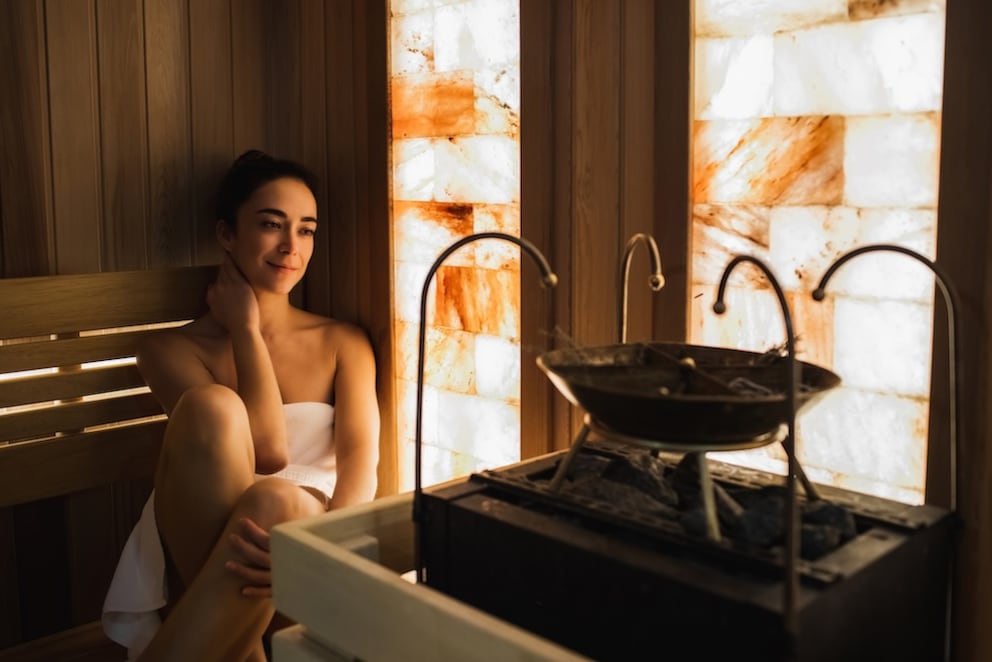
For those who cannot tolerate high temperatures, a Sanarium, also known as an herbal sauna, is an option. The maximum temperature is 60 degrees Celsius. This type of sauna is very gentle on the circulatory system and is therefore suitable for children. Instead of traditional infusions, herbs and essential oils are used, which have proven effective for respiratory diseases or colds. Incidentally, the company Klafs has patented the name Sanarium.
Effects on the Body
The Sanarium is said to promote blood circulation in the mucous membranes, allowing more immune cells to settle in these areas. It is also believed to increase the number of white blood cells in the body, positively affecting the immune system.4
Bio-Sauna
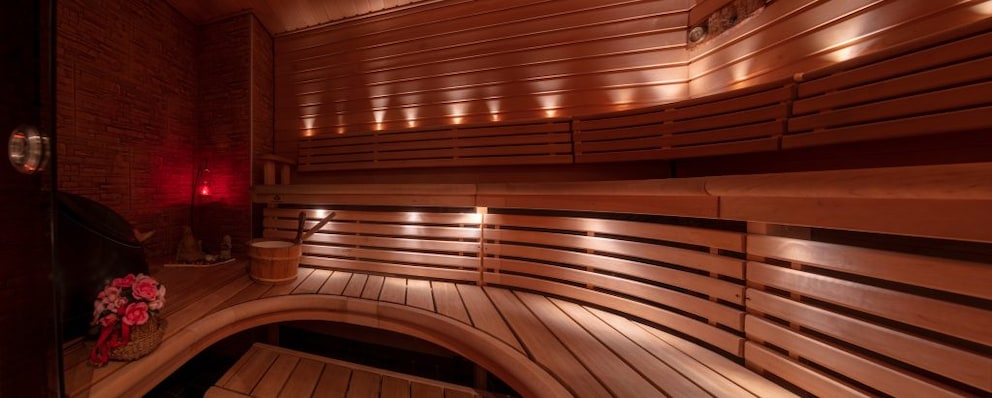
The Sanarium is often equated with the Bio-Sauna. It is also perfect for newcomers: The temperatures are very mild, ranging from 40 to 50 degrees Celsius. Due to the lower temperatures, a longer stay in the sauna is possible for beginners. The skin can breathe optimally, and blood circulation is gently stimulated. The Bio-Sauna is often recommended for people who have suffered a stroke (if you are affected, please consult your doctor beforehand!).5
Infrared Sauna
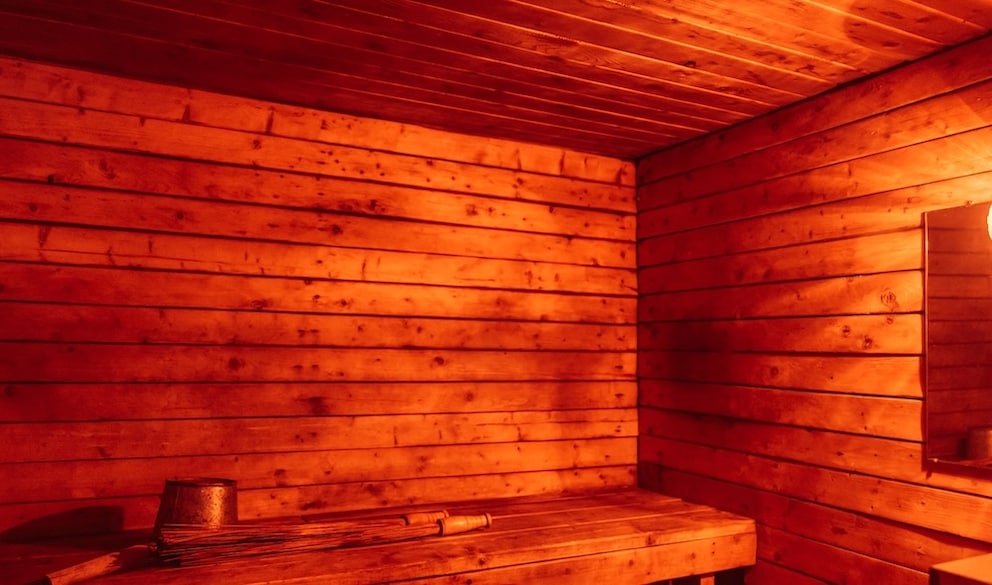
The infrared sauna operates entirely without air heating: To induce sweating, this heat cabin uses infrared rays to generate heat, providing a pleasant warmth from the inside out. The infrared sauna is said to have a soothing effect on the psyche and is believed to provide a lasting sense of relaxation and stress relief.6
Steam Sauna
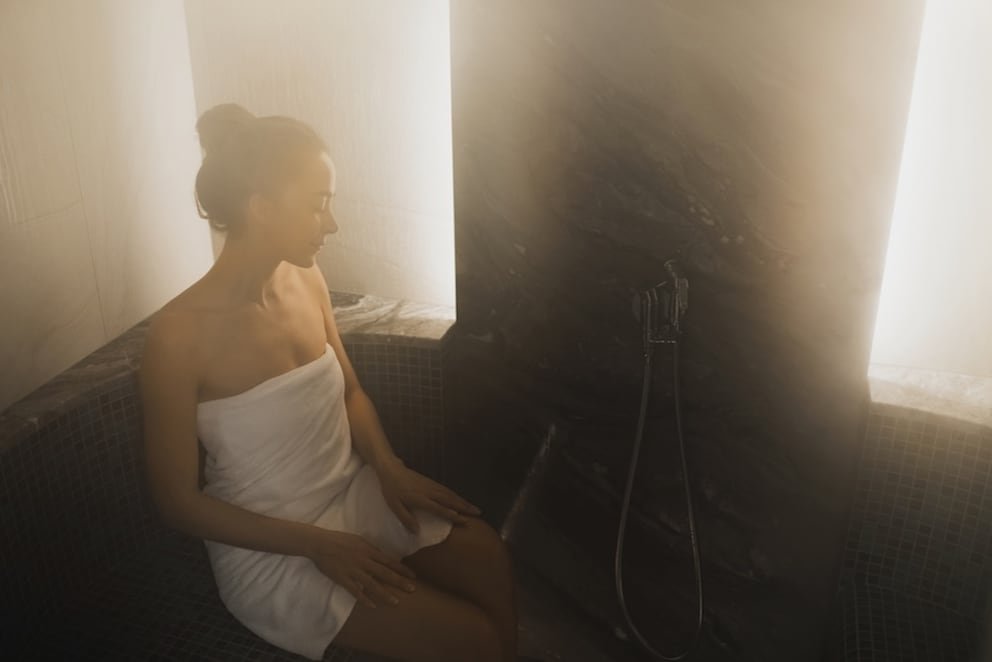
Another alternative among the cooler saunas is the steam sauna, also called a “steam shower”—not to be confused with the steam bath (see below). The steam sauna works with high humidity instead of high temperatures: It does not get warmer than 55 degrees Celsius. Many find the high humidity very pleasant.

The Mistake Many People Make After the Sauna

Symptoms of Sunstroke and Heatstroke and What to Do When
Steam Baths
Classic Steam Bath
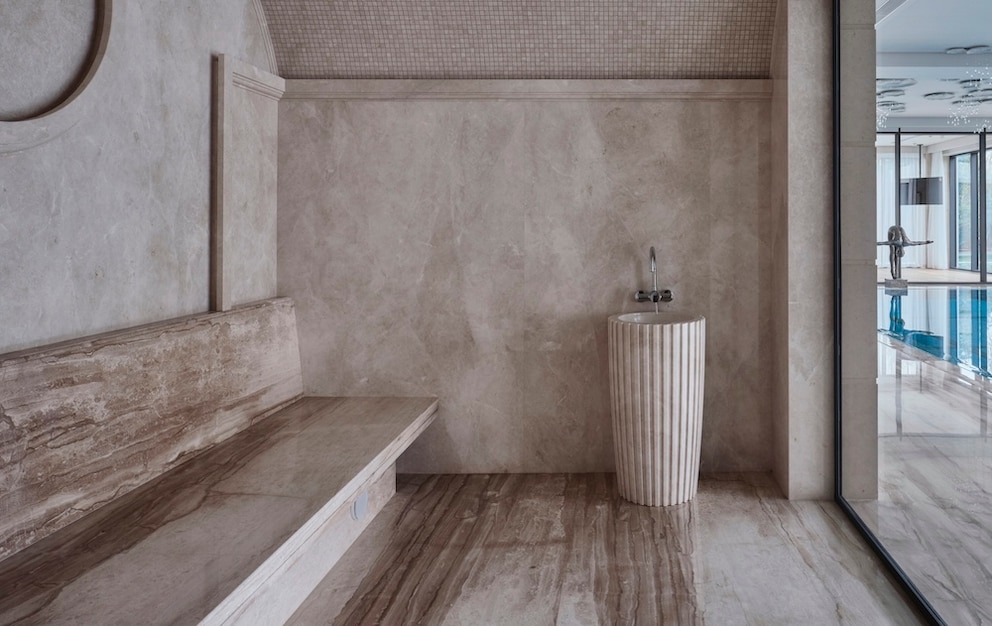
In the sauna, sweating occurs in heat and low humidity—in the steam bath, mild temperatures prevail, but with extremely high humidity. This combination also encourages sweating. So, if you cannot handle heat well, consider visiting a steam bath instead of a sauna. The temperature is usually around 50 degrees Celsius, while the humidity can reach almost 100 percent.
Effects on the Body
The hot steam is said to have a relaxing effect, alleviate rheumatic complaints, and help relax muscles. Additionally, the steam bath is believed to stimulate cell metabolism and improve circulation through the moist heat. This allows cells to be better supplied with nutrients and oxygen. Furthermore, the steam bath has a calming effect on the body and mind. The high humidity and warmth are also beneficial, as they open and soften the skin’s pores, leading to cleansing. Inflammatory skin conditions and respiratory issues are also said to be alleviated.
Also interesting: Can Heart Patients Go to the Sauna?
Caldarium
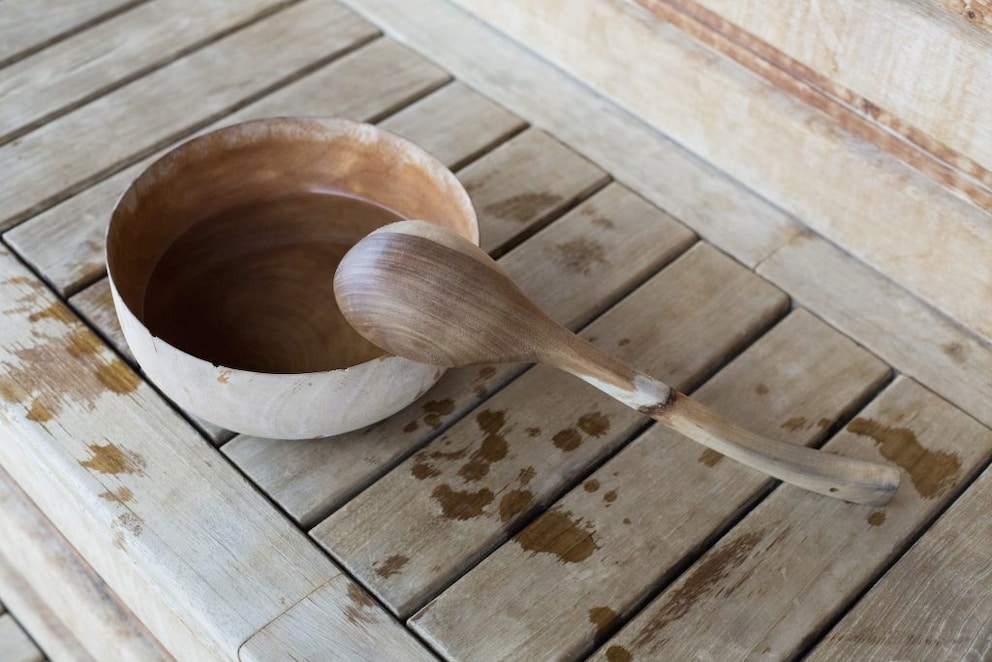
In the Caldarium, the senses are pampered with essential oils
A type of steam bath dates back to the Romans. The Caldarium (from the Latin caldus, “warm or hot”) was part of the typical Roman baths. The temperature is 40 to 50 degrees, and the humidity is nearly 100 percent. The Caldarium is gentle on the circulatory system and is excellent for promoting circulation. The muscles are said to relax particularly well here. The special feature: Various scents can be added to the steam, which also pampers the senses.7
Tepidarium
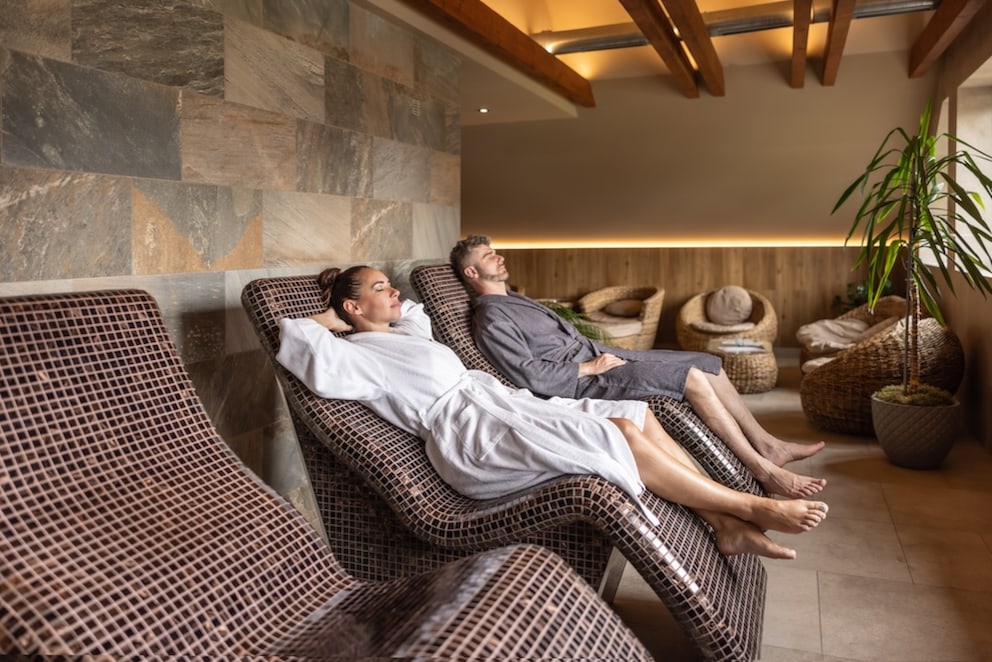
Also part of Roman bathing culture is the Tepidarium: It is a lukewarm room (38 to 40 degrees) with heated walls, loungers, and benches made of stone or ceramic. The mild warmth acts directly on the body, which is particularly beneficial for regeneration. Due to the lower temperature, one usually stays in the Tepidarium for 30 minutes or longer. Since the Tepidarium not only has moderate temperatures but also low humidity, it is also suitable for older people or those with weak circulatory systems.8
Also interesting: Does a Sauna Session After Training Promote Muscle Growth?
Hamam
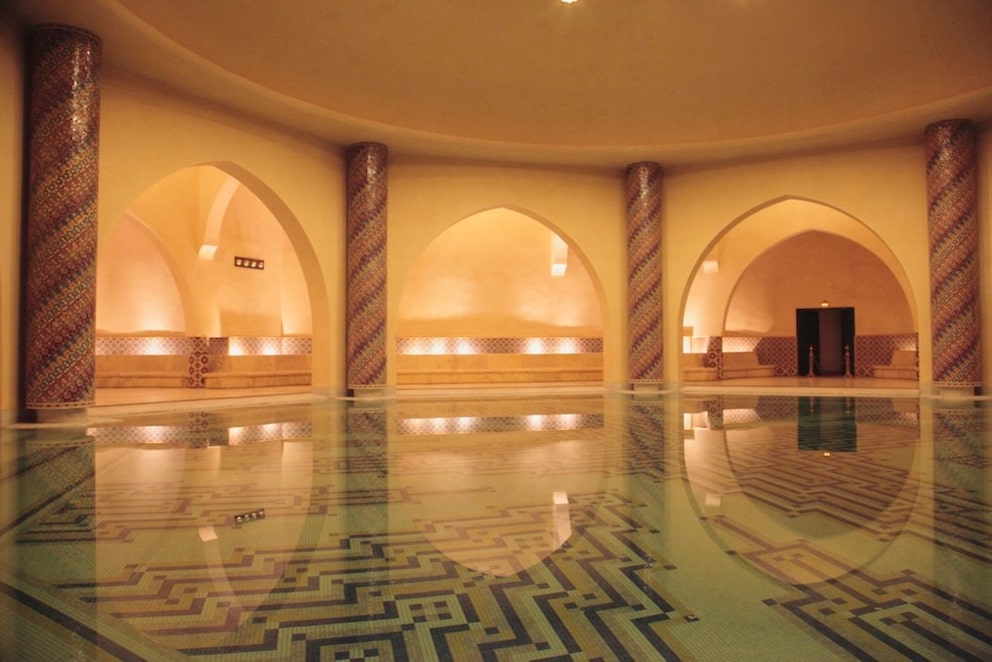
A Hamam, also known as an oriental bath or Turkish bath, is another extremely mild wellness application. This Arabic version of the steam bath is usually made of marble. In the center of the room is a circular area where you can sit or lie down. Either a master of ceremonies washes and pours warm water over you, or you do it yourself. The maximum temperature in the Hamam is 42 degrees Celsius. The Turkish steam bath serves both physical and mental cleansing. It aims to relax muscles, open pores, and cleanse the airways.9
Irish Steam Bath
An Irish steam bath consists of several rooms designed for multiple transitions between high and low temperatures. The application also includes a brush massage for circulation, a plunge bath for cooling, and the use of essential oils for the senses. The maximum temperature in the Irish steam bath is 50 degrees Celsius.
Special Sauna Types
Textile Sauna
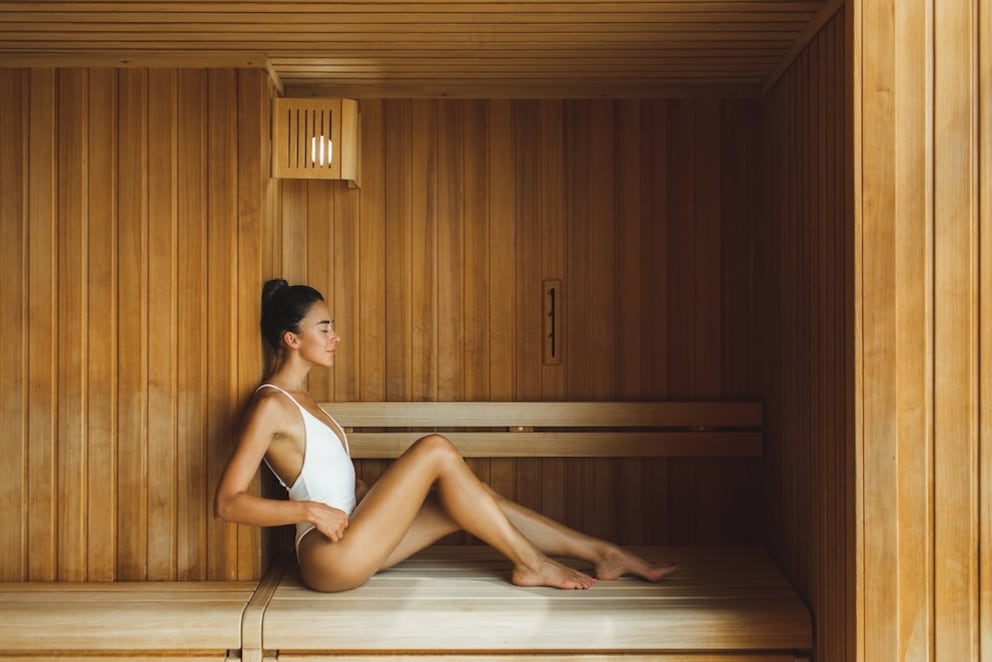
The name says it all: In this sauna, you can wear swimwear. This makes the sauna an option for those who do not feel comfortable in textile-free saunas.
Baby or Children’s Sauna
If you want to take your baby or toddler to a sauna, ensure a maximum temperature of 60 degrees Celsius. Additionally, sauna sessions should only last three to six minutes. Sauna operators often offer special times when the sauna is open for parents with children. However, it is important to note that taking babies to the sauna is controversial. It is recommended that parents wait for the U4 early detection examination in the third or fourth month of life. Only if the child has no complaints can it be gently introduced to sauna culture.