

March 24, 2021, 1:11 pm | Read time: 4 minutes
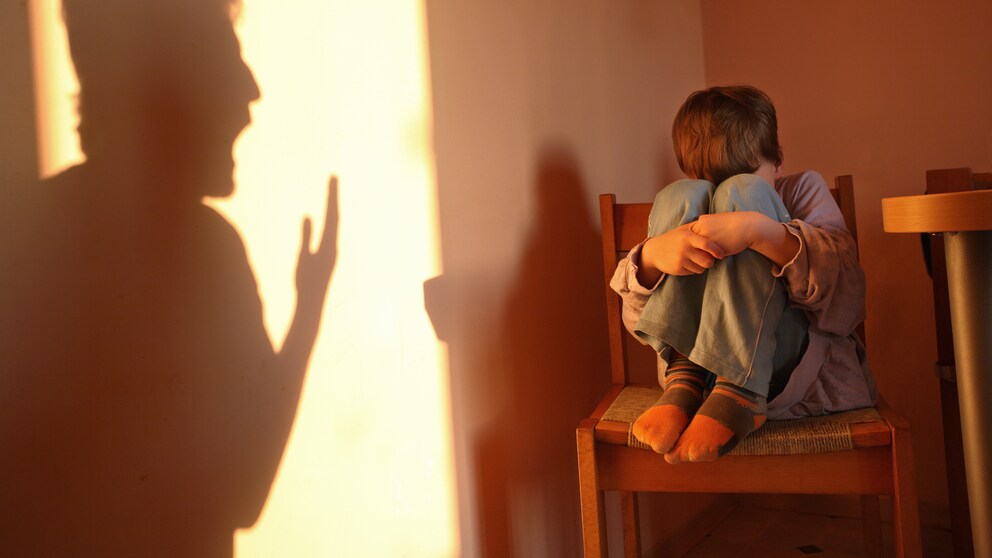
Parents who frequently lose their temper apparently cause more than just emotional damage. A new study finds that frequent yelling at children significantly impairs their brain development.
Especially during the current pandemic, it is not easy to remain calm at all times. When mothers and fathers occasionally raise their voices due to frayed nerves, it’s not ideal, but it’s usually not the end of the world. It’s a different story when frequent and particularly angry yelling becomes routine. According to researchers at the University of Montreal in Canada, growing up in such a loveless environment can disrupt children’s brain development in the long term. Specifically, certain areas that regulate anxiety, among other things, develop inadequately.1
How “harsh parenting practices” affect children’s brains
It is known that severe child abuse, such as sexual, physical, and emotional abuse, as well as neglect, often leads to depression and anxiety disorders in adulthood. Previous studies have shown that affected individuals have a smaller prefrontal cortex and a less well-developed amygdala. These are brain regions that play a significant role in regulating emotional problems like anxiety or depression in a healthy way. Now, researchers observed a similar negative effect on brain development in adolescents who were exposed to intense verbal violence, primarily yelling, during childhood, even though they did not experience more severe physical abuse.
Also interesting: How the pandemic affects children and adolescents’ health
Data from adolescents monitored since birth
The findings of the Canadian study are based on data and brain scans of children and adolescents who are now between 12 and 16 years old. They have been monitored and accompanied since birth as part of the “University of Montreal Research Unit on Psychosocial Maladjustment.” This includes an annual assessment of their anxiety levels in relation to the parenting methods used at home. According to the report, this study is the first to attempt to establish connections between harsh parenting practices, children’s anxiety levels, and the anatomy of their brains.
Also interesting: Loneliness also has a positive impact on the brain
Yelling is as harmful to children’s brain development as hitting
For study leader Prof. Sabrina Suffren, the conclusions drawn are more than alarming, as she emphasizes in a press release from the university. “For the first time, we were able to show that harsh parenting practices, which do not involve physical violence, are associated with a similar reduction in brain structure as we know from victims of severe abuse,” she explains. A similar study in 2019 had already reached a comparable conclusion. “Now we know that intense yelling also disrupts children’s brain development.”2

How Sick Are Children and Adolescents Getting From the Pandemic?

More Children Suffer From Anxiety Disorders–Girls Especially Affected
Frequent yelling still a common parenting practice
What makes the study so important for Suffren? The fact that yelling at children is largely accepted by society, in contrast to physical violence. “The effects go beyond changes in the brain. It is important for parents and society to understand that the frequent use of strict parenting practices can impair a child’s development.”
Source
- 1. Suffren, S., La Buissonnière-Ariza, V., Tucholka, A., Nassim, M., Séguin, J., Boivin, M., . . . Maheu, F. (2021). Prefrontal cortex and amygdala anatomy in youth with persistent levels of harsh parenting practices and subclinical anxiety symptoms over time during childhood. Development and Psychopathology, 1-12. doi:10.1017/S0954579420001716
- 2. Valérie La Buissonnière-Ariza, Jean R. Séguin, Marouane Nassim, Michel Boivin, Daniel S. Pine, Franco Lepore, Richard E. Tremblay, Françoise S. Maheu. Chronic harsh parenting and anxiety associations with fear circuitry function in healthy adolescents: A preliminary study. Biological Psychology, Volume 145, 2019, Pages 198-210, ISSN 0301-0511, https://doi.org/10.1016/j.biopsycho.2019.03.019.