

April 16, 2020, 2:33 am | Read time: 12 minutes
Not only amateur athletes are forced to shift their activities to parks and home gyms, but professionals are also affected by the coronavirus crisis. In a conversation with FITBOOK, eight athletes share their concerns and thoughts on the coronavirus.
Training via FaceTime
Daniel Theis (German NBA star with the Boston Celtics)
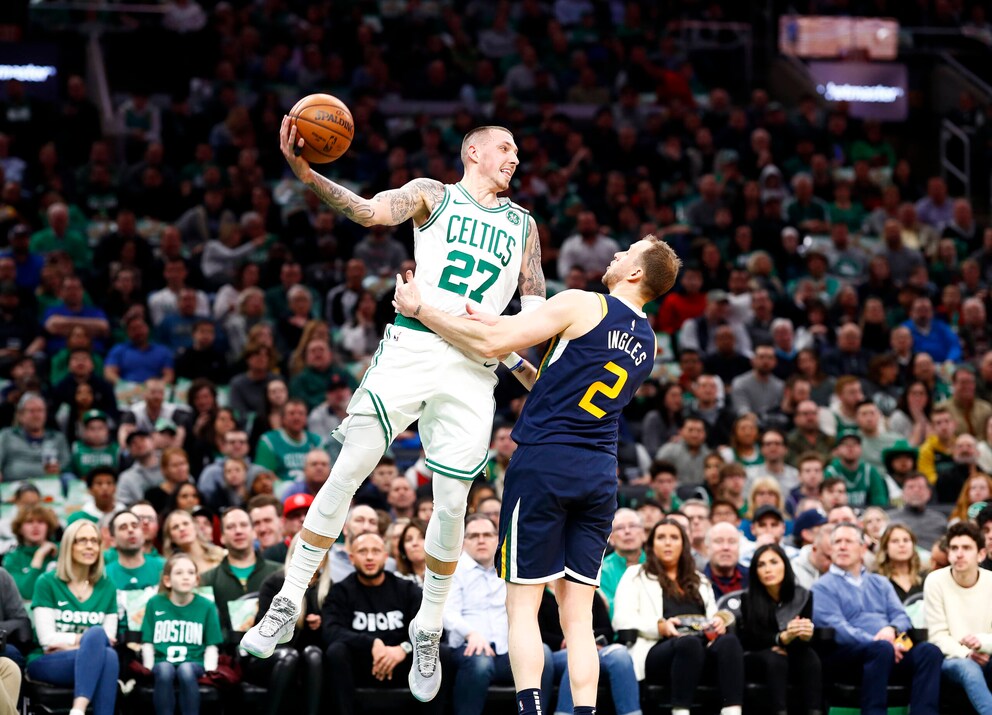
“I built a small gym at home and bought dumbbells, got a bike from the team to stay fit during quarantine. I try to do something every day, even though it’s not easy to motivate myself daily. It’s not bad to spend so much time at home. The first weeks of home workouts were more relaxed, but now we have FaceTime sessions to ensure everyone trains correctly. Additionally, our athletic trainer gives us daily challenges to maintain our mental spirit.”
See how Daniel Theis learned about a positive COVID-19 test from his opponent and how he is currently spending his time in the video!
Find more about Daniel Theis in the new video format “Valentina’s Quarantine Lounge” with our colleagues at BILD!
It’s Still Unclear How Many Clubs Can Survive!
Ruben Schott (Vice European Champion in Volleyball, currently playing for Trefl Gdansk)

How does the situation affect your training, and how can you still make it efficient?
Ruben Schott: “Team sports are struggling–team training is not allowed, so it’s up to the player to keep themselves fit. There are no specific guidelines from the club or association, but the athletic trainer is available for questions if there are uncertainties. My training options are very limited right now–it’s not possible to just go to a gym. Playing volleyball alone is pointless. Additionally, the weight rooms are closed, so I go running with my girlfriend and do a lot of bodyweight exercises. With the suspension of the game operations, there’s a lot of time to try new things–I’m working more on my mobility and trying new exercises like yoga. Inspiration from other athletes or friends is very important right now!”
What impact does the coronavirus pandemic have on your sports career? And what is your outlook for the future?
“There’s a bit of chaos in the sports world right now. The season’s cancellation raises many questions! Who will be the German champion? Which clubs will play internationally? Are there promotions and relegations? Furthermore, in Poland, club presidents decided to cut salaries by 20 percent over the players’ heads–such adjustments will surely affect other athletes in other leagues. Behind the clubs are the sponsors. The coronavirus crisis is hitting the economy hard and thus directly affecting the sponsors. Clubs are missing money–especially in niche sports like volleyball, sponsors are essential. It’s still unclear how many clubs can survive!”
My future outlook is best described with a big question mark. Nevertheless, I am optimistic, even though there are many uncertainties.”
Right Now, It’s Important to Stay on the Ball!
Kimberly Drewniok (German Vice Champion in Volleyball/last with Schweriner SC)
How does the situation affect your training, and how can you still make it efficient?
Kimberly Drewniok: “My current training is under the motto ‘Back to the Roots’–I use everything available at home and get creative. My focus is currently on endurance training. I try to go running every two to three days. But cycling and inline skating are also on my schedule. Otherwise, I try to do a lot of home workouts. For new exercises, I look to various social media channels. During my sports career, I’ve acquired a certain potpourri of exercises. It’s important to me that I try to exercise every day. Right now, it’s important to stay on the ball! As soon as the opportunity arises to train ‘normally’ again, I’ll take the chance. Until then, it’s about maintaining the performance level.”
What impact does the coronavirus pandemic have on your sports career? And what is your outlook for the future?
“Due to the coronavirus pandemic, uncertainties naturally accompany you–the abrupt end of the season makes it difficult for many to find a new club. It’s still unclear how sponsors and clubs will survive the crisis. However, I was lucky and made a good decision in my opinion–I’m taking the step abroad! Accordingly, my outlook for the future is optimistic. I hope people come through the crisis strengthened and can soon return to the sport they love.”
If you want to do a mobility workout at home, you’ll find it here…
It’s Important to Set New Goals!
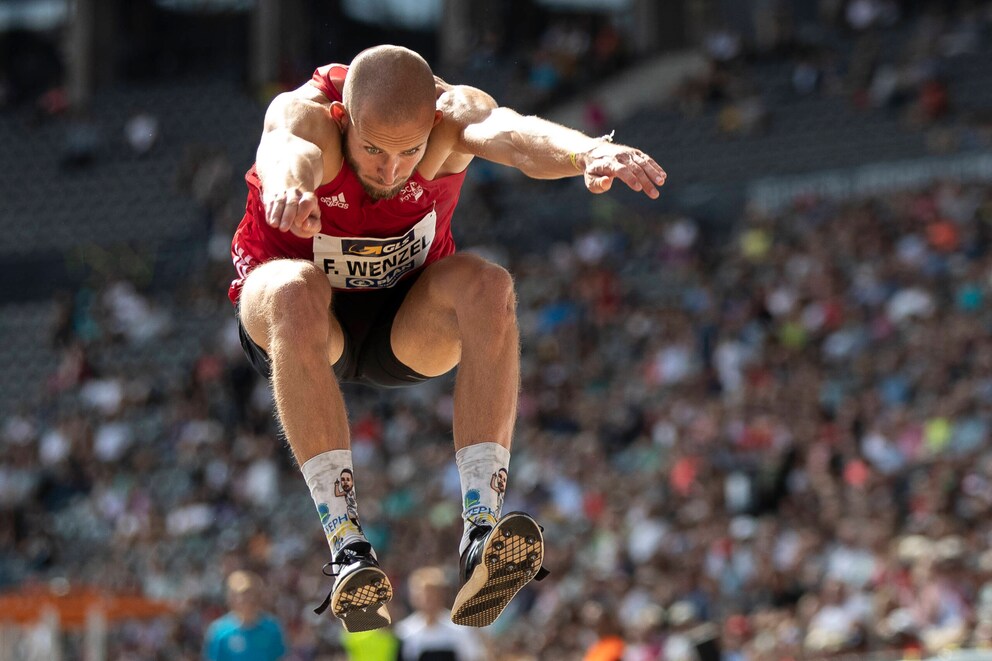
Felix Wenzel (German Champion in Triple Jump)
How does the situation affect your training, and how can you still make it efficient?
Felix Wenzel: “Due to the closure of all Olympic training centers, gyms, and sports facilities, I’m as restricted as most athletes. This greatly affects my training. I have no choice but to adapt to the situation. Sufficient know-how and enough exercises help to realize athletic and strength training independently. I’m lucky to live a stone’s throw from the city park, where I can incorporate jump programs, running sessions, and hill sprints into my routine. Nevertheless, you learn to appreciate the good conditions you usually train under in such situations.
Do I miss training at the Olympic training center? Yes and no! On one hand, I miss the modern equipment, but on the other hand, training outdoors is an experience or circumstance that I’m currently enjoying a lot. The cancellation of all competitions led to a small motivation dip for me–especially because you prepare physically and mentally for the season. It’s important to set new goals! My goal is clearly the 2021 Olympic Games in Tokyo. For me, it’s about bridging the current situation well and focusing on preparation for next year.”
What impact does the coronavirus pandemic have on your sports career? And what is your outlook for the future?
“I try to assess the coronavirus pandemic neutrally, stay positive, and look forward. My coach and my environment support me on this journey, for which I am very grateful.”
Referees in the Bundesliga Are Lone Fighters
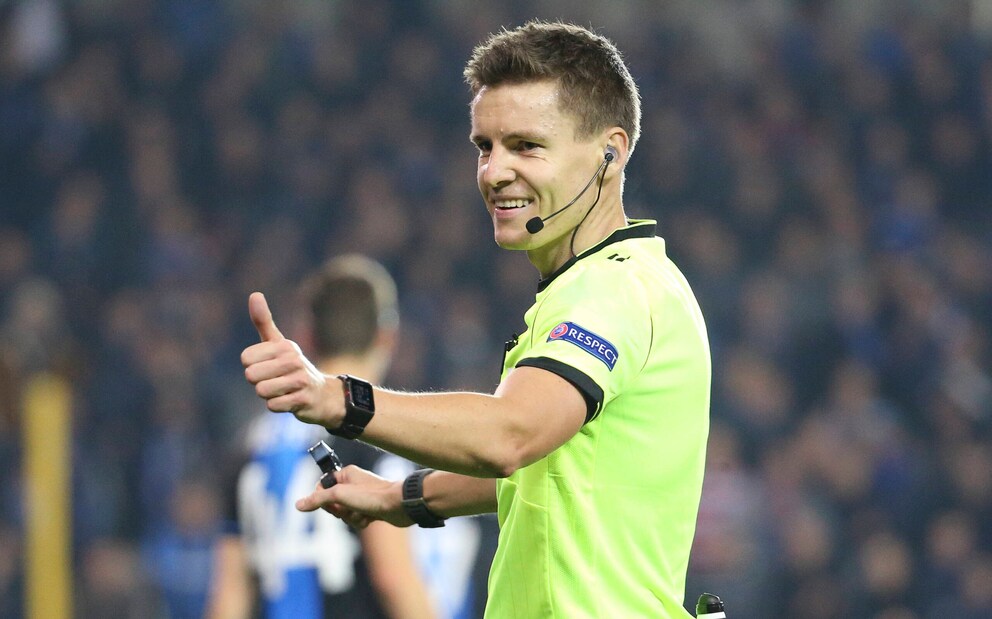
Daniel Siebert (Soccer Bundesliga Referee)
How does the situation affect your training, and how can you still make it efficient?
“I followed the events in China and South Korea from the beginning. When Italy was finally affected, I could prepare for the coronavirus crisis to arrive in Germany. I knew there would be massive changes for a long time and our daily lives would have to change. These changes, especially in sports, didn’t hit me particularly hard. Referees in the Bundesliga are lone fighters–spread across Germany, everyone is on their own during training anyway. Like most, I also find it a disadvantage that gyms and sports facilities are closed, which is why training is moved to the park (Wuhlheide). My workout focus shifts from strength and high-intensity sessions to basic endurance, bodyweight exercises, and mobility.”
What impact does the coronavirus pandemic have on your sports career? And what is your outlook for the future?
“Due to the nationwide event stoppage, I can’t currently pursue my role as a referee–the newfound free time allows me to take extensive bike tours with my beloved racing bike. It’s clear that the crisis will eventually be overcome and the ball can roll again. There will be a fresh start, likely under new conditions. Ghost game settings will certainly shape the initial playing image. Restrictions on travel, player catering will accompany this. The aftermath of the crisis will definitely keep us busy for a long time–not just in soccer. Everyone should make their sacrifice so that we can quickly return to normality.”
Now It’s Important to Be Creative and Find Solutions
Eric Franke (German Bobsledder and Olympian)
How does the situation affect your training, and how can you still make it efficient?
Eric Franke: “On March 1, I participated in a very successful World Championship with 30,000 people. However, the coronavirus topic was already simmering beneath the surface. Shortly after, the lockdowns and closure of all sports facilities followed. Initially, the restrictions didn’t hit me hard–the season was over, and I was looking forward to a few relaxing weeks. Spending time with family, going on vacation–ultimately, none of that was possible.
Currently, I’m facing the challenge of bridging the daycare-free time with my son. Right now, it’s important to be creative and find solutions in the current situation, whether privately or athletically. For my part, I’ve accepted the current circumstances and am trying to find alternatives in training. That sounds easy to say, but in reality, it looks quite different. I think you have to see it sportingly and view the circumstances as a challenge to be mastered.
I keep coming up with new workouts that are beneficial for my sport. I do hill sprints, which are literally nauseating, stair runs, and jumps–you have to try to be inventive! My best friend right now is the resistance bands with which I try to realize my strength training. In my current training routine, I manage without sports facilities. I have my hotspots where I can retreat and train in peace.”
What impact does the coronavirus pandemic have on your sports career? And what is your outlook for the future?
“In today’s time, it’s hard to realize plans and act proactively. I take the day as it comes and plan accordingly. Nevertheless, I believe that now the athletic wheat is separated from the chaff. Some resign and bury their heads in the sand, while others become active and find solutions.”
Sensational Time! Australian Breaks World Record in Planking
The 2nd Attempt Should Succeed! Back on the Bodybuilding Stage at over 40
Sports Must Now Be a Role Model and Take a Back Seat
Andreas Toba (German Artistic Gymnast Olympian)
How does the situation affect your training, and how can you still make it efficient?
“Like many, I initially learned about it through the media. At first, you don’t think much about it since it was far away. When Italy was so massively affected, the concern reached me too. My training hall in Hanover was initially still open until the final postponement by the IOC. Therefore, the closure of sports facilities didn’t affect me at first. Nevertheless, the crisis occupied me greatly, and after the first TV address by the chancellor, it was clear to me: People, stay home, sports must now be a role model and take a back seat. Health is now the focus!”
What impact does the coronavirus pandemic have on your sports career? And what is your outlook for the future?
“From a sports perspective, the current situation maximally affects my training. You can’t speak of efficiency anymore. A gymnast without his equipment is like a diver without water. The situation simply doesn’t allow for targeted training. Furniture or handstand blocks don’t replace parallel bars or pommel horses. But honestly, I’m not worried about my sports career. What can I change? Nothing. So I quickly accepted that the Olympic Games will now be held in 2021. My goal is to present the best Andy Toba of all time there. I will give everything for that in the next 15 months.”
In the Long Run, I See the Situation as Threatening to My Existence
Julia Dorny (MMA World Champion)
How does the situation affect your training, and how can you still make it efficient?
“It hit me like a lightning bolt when I learned during training that fights and events were postponed for months. The question immediately crossed my mind: What happens to my title fight in Berlin? All events are initially postponed to June and may be further delayed.
I was shocked. Every day brought new reports–whether in martial arts or the soccer Bundesliga–it’s unsettling! At least my trainers and I thought we could use the time to prepare intensively for the events. After training, I received the news that my gym (Spitfire) was closing immediately for the next few weeks. Training is now only possible independently. With the closure of the remaining gyms, it was obvious to train outside in the weather. Conditioning and strength training can be realized despite the current coronavirus crisis. Where there’s a will, there’s a way. Runs and bodyweight training often flow into my training anyway. Fortunately, I have gadgets like an agility ladder that allow me to perform specific exercises.”
Also interesting: Here are 8 reasons why you should do martial arts
What impact does the coronavirus pandemic have on your sports career? And what is your outlook for the future?
“Regardless, the situation is terrible–it’s unsatisfying to train as a martial artist without a partner and physical contact. I want to grapple, go to the ground, train transitions–everything is gone! For specific martial arts training–sparring, pad training, and exercises on the punching bag–the situation is a disaster. Trainers and training partners are essential. Preparation for the opponent suffers greatly under quarantine. In the long run, I see the situation as threatening to my existence. Fortunately, I have a second pillar. Nevertheless, there are enough athletes who have to make a living from sports–whether from fighting or personal training. Especially in very physically demanding sports, achievements and successes are also age-dependent, and I’m being robbed of an entire year.”