


August 2, 2025, 8:15 pm | Read time: 6 minutes
Research shows that bacteria in our gut not only influence our mood but also play a role in the onset of diseases such as Alzheimer’s or depression. U.S. researchers managed to manipulate stress behavior in mice by exposing them to a specific bacterium found in fermented products. Could yogurt soon be used to develop potential therapies for treating depression and anxiety disorders?
Countless bacteria, viruses, and fungi live throughout our digestive tract. The interaction of these microorganisms is crucial for mental health, immune system health, and many other aspects of well-being. FITBOOK has previously reported extensively on the remarkable connection between our brain—and thus our psyche—and the gut. Modern research shows that the bacteria in our gut also play a role in the onset of serious diseases such as depression, Alzheimer’s, or obesity. Therefore, scientists are interested in the specific question of which foods can support the gut flora in protecting us from cognitive disorders. U.S. researchers have made progress in this area: They demonstrated that beneficial bacteria, such as those found in yogurt, can protect mice from depression and anxious behavior. Their findings could hold new therapeutic approaches for humans.
Overview
- Positive Effects of Fermented Foods on Gut Flora
- Study on Mice: Effects of Lactobacilli on Depression and Anxiety
- Result: Mice Without Lactobacilli in the Microbiome Are More Prone to Anxious Behavior
- Does This Lead to a New Therapeutic Approach for People With Depression and Anxiety Disorders?
- Can Probiotic Bacteria (such as in Yogurt) Alleviate Symptoms of Depression?
- Conclusion
- Sources
Positive Effects of Fermented Foods on Gut Flora
It is well known that the regular consumption of fermented foods contributes to the health of the gut flora. These products—whether yogurt, kimchi, sauerkraut, or kefir—contain lactic acid bacteria, which maintain the diversity of gut bacteria during challenging times. And this is likely not only after antibiotic treatments or with a compromised immune system—but also in cognitive conditions such as depression or anxiety disorders.
The Fresher the Yogurt, the More Probiotics
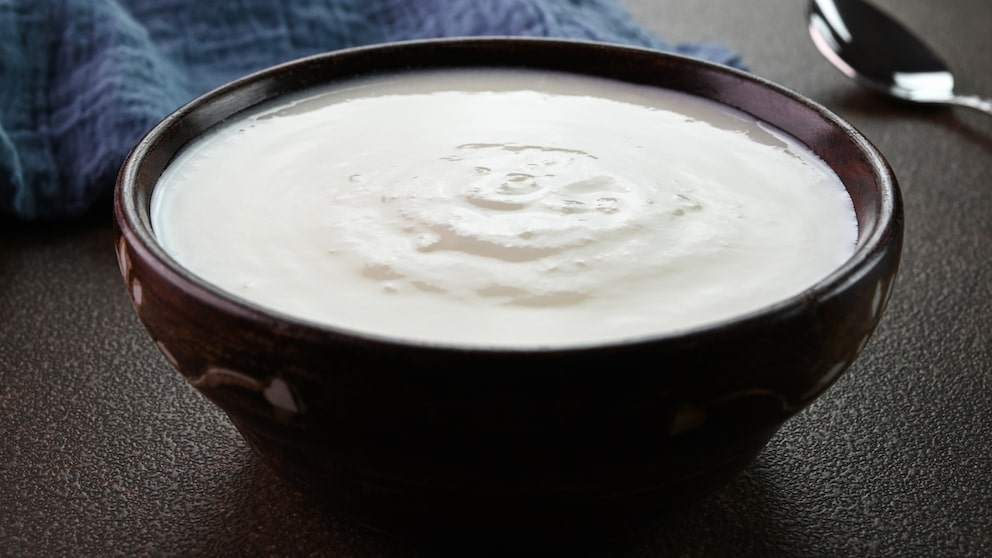
Lactic acid bacteria are also called lactobacilli or probiotic bacteria. In advertising, they are referred to as “probiotic lactic acid cultures.” Yogurt is created through fermentation with lactic acid bacteria and naturally contains many probiotics. The fresher the yogurt, the more good bacteria it contains. Homemade is best. Otherwise, it’s better to choose plain yogurt over heavily sweetened fruit varieties.
Study on Mice: Effects of Lactobacilli on Depression and Anxiety
The effects of these health-promoting lactobacilli were the subject of a study by U.S. researchers. They investigated whether the bacteria could be specifically used to combat and protect against depression and anxiety disorders in mice.1 From previous research, the team led by Alban Gaultier, who studies inflammatory processes and neurodegenerative diseases at the University of Virginia School of Medicine, knew that lactobacilli could reverse depression in laboratory mice.
To understand the reasons for this remarkable effect, Gaultier and his team continued their depression research with a special, rarely used bacterial collection. This included two Lactobacillus strains and six other bacterial strains. At the same time, the team was able to breed mice both with and without Lactobacillus strains in their microbiome.
The mice were then divided into two groups. Some animals were exposed to stress factors to provoke depressive and anxiety-like behaviors; the other group was left alone and kept germ-free. Additionally, the dirty bedding from the stressed group was daily transferred to the cages of the other group, which was left undisturbed throughout the study period.
Result: Mice Without Lactobacilli in the Microbiome Are More Prone to Anxious Behavior
The transfer of the microbiome was sufficient to transmit depressive and anxiety-like behaviors.
- The transfer of the microbiome from stressed mice to germ-free recipients triggers depressive and anxiety-like behavior in them
- Mice without lactobacilli are generally more susceptible to stress and show a dampened immunological response
- Lactobacilli maintain the level of an immune mediator; this regulates the body’s response to stress and helps ward off depression
Gaultier explained in a statement from the University of Virginia School of Medicine: “Our discovery sheds light on how the Lactobacillus living in the gut influences mood disorders by controlling the immune system.”2
Does This Lead to a New Therapeutic Approach for People With Depression and Anxiety Disorders?
Lactobacilli, found in foods such as yogurt, act as psychobiotics. They promote stress resistance and reduce disturbed behavior. Could people with mental illnesses benefit from this in the future? At least the researchers are optimistic that their findings could accelerate the optimization of probiotics to eventually develop new therapeutic approaches for anxiety disorders and depression. Patients could soon take special probiotic supplements that optimize the content of helpful lactobacilli.

The 8 Best Probiotic Foods for a Gut-Friendly Diet

What Are Prebiotics, Probiotics, and Postbiotics, and How Do They Work?
Can Probiotic Bacteria (such as in Yogurt) Alleviate Symptoms of Depression?
Meta-Analyses
Studies on the effects of gut flora-friendly bacteria in humans have so far yielded mixed results. A meta-study from 2018 found a reduction in symptoms in people with anxiety disorders and mild depression.3 Another meta-analysis, published in February 2024, supported these findings. The analysis of studies included under strict selection criteria revealed interesting results. Thirteen studies found a significant improvement in depressive symptoms through probiotic supplementation. Eleven studies reported a reduction in anxiety. The probiotic strains Lactobacillus helveticus and Bifidobacterium longum (also found in yogurt or kefir) were particularly frequently studied and were associated with symptom improvement in several studies. However, nine studies showed no significant effects of probiotics on anxiety or depression. Additionally, some studies indicated that mild to moderate depression responded better to probiotics than severe depressive episodes.4
Probiotics Study from Australia
An Australian study, published in 2024, also examined the effects of probiotics (Lactobacillus fermentum, L. rhamnosus, L. plantarum, and Bifidobacterium longum) in patients with depression.5 The researchers worked with a study group that received probiotics daily for three months and a control group that received a placebo.
The result: The probiotic group felt less depressed and anxious after three months than at the beginning. The researchers found fewer inflammatory markers and more protective antioxidants in the blood. The stress hormone cortisol was lower after taking the probiotics—an indication of improved stress management.
However, the study could not differentiate which individual bacteria showed the greatest effect or were involved in the effect at all. It can also not be ruled out that other everyday and lifestyle factors may have played a role.
Conclusion
Reliable statements about the effects of probiotics on depression and anxiety in humans cannot be made based on current data. However, the results of various studies were promising enough to justify further research in this field. The effects of lactobacilli, found in yogurt, hard cheese, kimchi, and even apple cider vinegar, as well as a variety of other bacterial strains, could make new therapies in mental health possible.