


June 27, 2026, 4:11 pm | Read time: 4 minutes
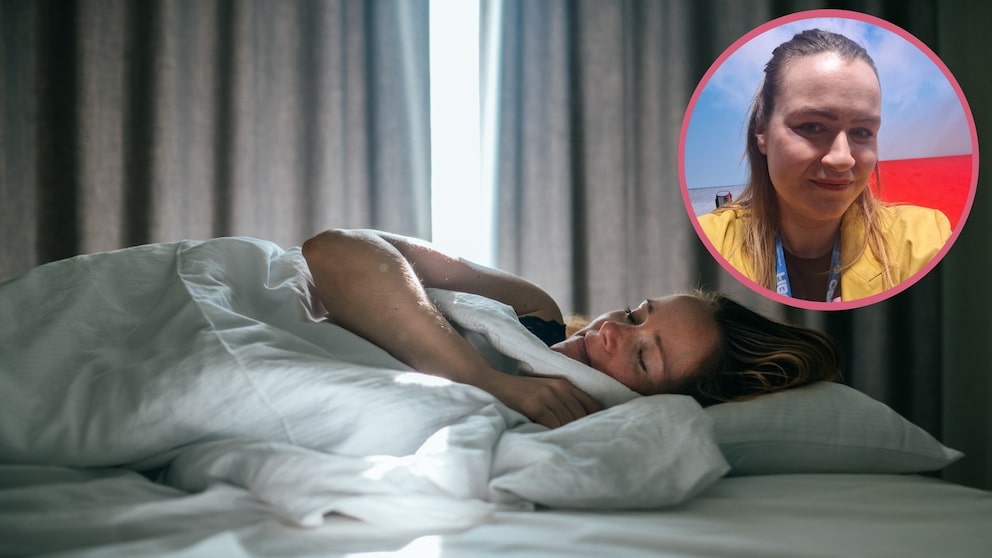
If there’s one thing I learned during my training as a sleep coach, it’s how quickly our daily lives can interfere with healthy sleep. I’m less affected by staying asleep than by falling asleep. Stress quickly impacts my evening routine. In sleep training, I learned various ways to get back on track. At FITBOOK, I reveal which method works best for me.
A cool bedroom, no disruptive light sources, not eating too late, not scrolling on the phone until bedtime, doing some breathing exercises—these are all important and effective tips that can help you fall and stay asleep better. I also try to reduce my screen time in the evenings and instead prefer to read a book or engage in a relaxing yoga session. But I’ll be honest: I don’t maintain this discipline consistently enough to help with my sleep problems in the long term. Only one thing can: exercise!
Fitness Means Better Sleep for Me
Of course, I don’t mean that I quickly do a round of intense exercise if I can’t fall asleep at night. In acute situations, a book or a calming podcast has to suffice. However, regular training ensures that sleep problems don’t creep in—or do so much less.
If I’ve been pulled out of my training routine due to long workdays, travel, or a cold, it becomes noticeable when trying to fall asleep at night. As a night owl, I already find it hard to go to bed early, and without physical activity, my bedtime shifts even later. But since I still have to get up early in the morning, my nights get shorter. I can feel firsthand that a lack of exercise correlates with poor sleep.
Steps Alone Aren’t Enough for Me
It’s not that I don’t move at all without my training. On office days, I regularly reach 10,000 steps. But that’s not enough. I need strength training, ideally three to four times a week, with a rest day in between. It’s especially effective when I—like on weekends—do my intense workout in the late afternoon (preferably heavy weights, few repetitions, sweating for an hour and a half at the gym). Then I’m ready to fall asleep by 10 or 11 p.m.

Is the Clock the Enemy of Our Sleep?

Good Night! Michelle Obama’s Routine for Healthy Sleep
Challenge: Finding the Optimal Training Time
It gets more challenging on workdays. I’m absolutely not a morning exerciser—and believe me, I’ve tried to change that so many times—so I have to train after work. I try to plan my days as often as possible so that I can go straight to the gym afterward. Then I’m home, nicely exhausted, by 9 p.m.
Unfortunately, things don’t always go as planned. Well, I have enough weights and training equipment at home to sweat it out in my home gym. But when? With the commute and daily errands, it can happen that I don’t get home until around 8 p.m. Then, of course, I’m hungry, and training on a full stomach? Not ideal. But I often think: No, I’m not skipping the workout, and I start at 9:30 p.m. However, intense sessions at this time are anything but sleep-inducing. On the contrary, they cause cholesterol and insulin to rise and inhibit the production of the sleep hormone melatonin. The result: You’re exhausted and can eventually fall asleep well, but the time until you feel tired shifts later. If you have to get up at seven in the morning, that’s not helpful.
My Strategy
What I describe may be familiar to many. And I believe that in a tightly scheduled daily life, it’s quite normal to often know what would be good for you, but not always manage to implement it. My tip: Don’t dwell too long on interrupted routines, but try to reestablish the beneficial habits as soon as possible. My ideal of training every other day is simply not always feasible.
What works much better and is sustainable: a short, intense strength training session of maybe 30 minutes once during the week, perhaps another 30 minutes of yoga on another day, and then extensive training sessions on the weekend. No matter how short or long training breaks are, I know: If I need something to help me fall asleep, I can always rely on exercise.