

April 26, 2024, 9:21 am | Read time: 3 minutes
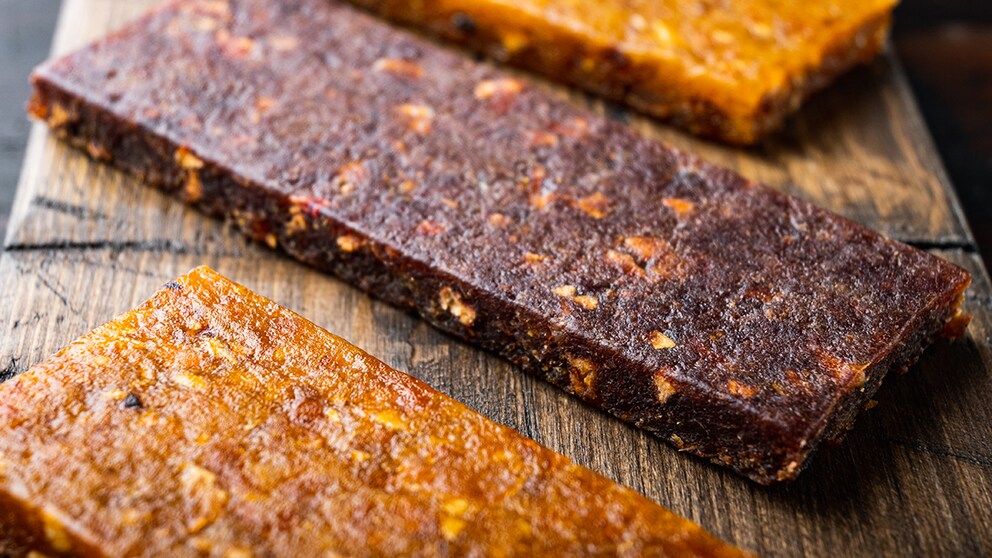
A bar made of dried fruits, without added sugar: Sounds like a healthy snack, right? However, fruit bars for children contain almost as much sugar as chocolate–that’s what the experts from “Ökotest” criticize.
“No added sugar” or “Sweetness (only) from fruits”: These are the labels that adorn fruit bars for children. Parents quickly get the impression: This is not a candy, but a healthy snack. However, the magazine “Ökotest” criticizes such claims.1 The testers examined twelve fruit bars for children and concluded: The supposedly healthy bars are real sugar bombs.
Follow the FITBOOK channel on WhatsApp now!
Overview
How much sugar is in fruit bars for children
On average, the fruit bars in the test contain 42.6 grams of sugar per 100 grams. For comparison: Chocolate has just over 50 grams of sugar. Thus, fruit bars are an alternative to other sweets, but not to fresh fruit, according to the testers.

‘Ökotest’ Delivers Scathing Verdict on Energy Drinks–Best Product Rated ‘Sufficient’
Are Dates Really Healthy or a Sugar Trap?
Fruit sugar is not a better sugar
In fact, fruit bar manufacturers work without added sugar. The sugar in the bars mainly comes from the main ingredients, which are apple juice concentrate and dried bananas. However, according to “Ökotest,” this fruit sugar is not necessarily better than other sugar. It also promotes cavities and obesity, as well as related diseases like type 2 diabetes.
The World Health Organization’s recommendation for children aged one to three is: no more than 30 grams of sugar per day, ideally only up to 15 grams. Yet, fruit bars, which typically weigh 25 grams, contain an average of 10 grams of sugar. This is a significant portion of the recommended daily maximum and therefore too much, according to “Ökotest”–resulting in a deduction for all products in the test.
In some bars: mold toxins and lead
Overall, five products received a “good” rating. In three other bars, the testers found the mold toxins HT-2 and/or T-2. They can affect the digestive tract, immune, and nervous systems, leading to a deduction in the rating.
And “Ökotest” detected another unwanted substance in two bars in excessive amounts: lead, which can accumulate in the body and cause nerve damage, especially in children.
One of the lead-containing products failed completely with an “insufficient” rating because it also contains added iron. An excess of iron can increase the risk of cardiovascular diseases in the long term, which is why the Federal Institute for Risk Assessment (BfR) generally advises against fortifying foods with iron.
With material from dpa