


August 9, 2023, 2:53 am | Read time: 4 minutes
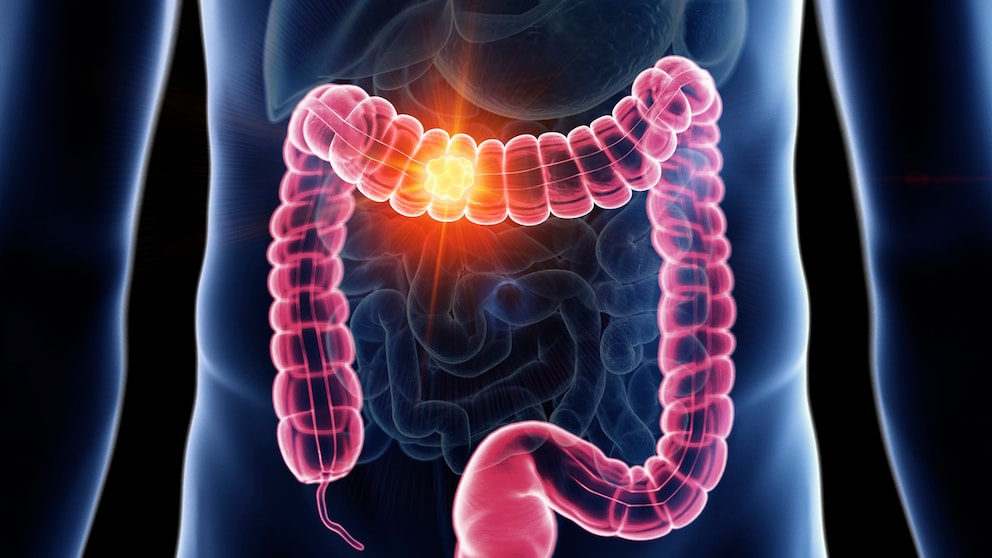
Colon cancer was once considered a disease that primarily affected older people. In recent years, however, the number of cases, especially among men under 50, has risen sharply. Researchers at the University of Indiana have identified seven key factors that increase the risk of developing colon cancer.
Scientists have already identified risk factors for the increasing trend of men under 50 developing colon cancer. Previously published studies have named factors such as diet, lifestyle, weight, environment, and the microbiome (as reported by FITBOOK). The results of a recent study from the U.S. now provide seven factors that significantly increase the risk of colon cancer in men under 50. FITBOOK nutrition expert Sophie Brünke explains the study and offers tips on how you can prevent colon cancer through your diet.
Overview
Study Procedure
For the study, health data from 3,000 individuals were analyzed using electronic databases and medical records. The participants were male veterans aged 35 to 49 who were diagnosed with colon cancer between 2008 and 2015. Control subjects without any history of bowel disease were also included for comparison.
The researchers collected sociodemographic and lifestyle factors, conducted family and personal medical histories, and gathered data on body composition and vital parameters. They also recorded whether the participants were taking medications and what their lab values were like 6 to 18 months before their diagnosis.1
Risk Factors for Colon Cancer
One-fifth of all men studied developed colon cancer during the specified period. Among the 67 factors examined, the researchers identified seven that significantly increase the risk for men:
- older age (35 to 49 years)
- alcohol consumption
- high insurance costs
- a first- or second-degree relative with colon cancer
- high disease burden (e.g., smokers)
- irregular use of statins
- irregular use of nonsteroidal anti-inflammatory drugs (NSAIDs), such as aspirin or ibuprofen
If a close relative–such as a parent, uncle, aunt, or sibling–had colon cancer, the risk for men to also develop colon cancer was twice as high. Alcohol had an even greater impact on disease development: Men’s alcohol consumption increased the risk by a full 75 percent. The reason is that spirits damage intestinal cells and alter the gut flora. High insurance costs also had a significant impact. Those with high insurance deductibles had a 61 percent increased risk of developing colon cancer, as high deductibles reduce the likelihood of people seeing a doctor (early). A high disease burden increased the risk by 15 percent, while a younger age increased it by 9 percent.
Regarding medications, the researchers suspect that regular use of NSAIDs and statins can reduce cancer risk in men because they affect the production of prostaglandins in the colon; these are hormones that influence inflammatory processes.
Also interesting: Ralf Moeller on colon cancer prevention: “It’s quick to do, there’s no need to be afraid”
What the Study Means for the Future
With colon cancer, symptoms such as blood in the stool or unintended weight loss usually appear only in the later stages. In Germany, statutory health insurance covers cancer screening only from the age of 50. These screenings are initially conducted annually, and only every two years from age 55.2
Given the trend that men are increasingly developing colon cancer below this age threshold, it is advisable to offer screenings earlier at no cost. Men under 50 should also take advantage of colon cancer screenings if financially feasible.
The identified risk factors can also help doctors identify particularly at-risk patients and provide appropriate education.
Also interesting: The most important preventive screenings from age 45
How Diet Can Influence the Risk of Prostate Cancer
Lower Risk of Colon Cancer? What a Colonoscopy Really Offers
Dietary Tips to Prevent Colon Cancer
Diet also plays an important role. Certain foods promote the development of cancer, while others contribute to prevention. According to current research, two factors are particularly influential in the development of colon cancer: fiber and red meat.3
Nutrition expert Sophie Brünke says:
“Fiber reduces the risk of colon cancer due to its ability to stimulate bowel activity. This allows toxins to be excreted more quickly, giving them less time to damage the colon. A healthy intake is about 30 grams of fiber per day, best achieved through whole grains and legumes.
Red meat, on the other hand, should make up as small a part of your diet as possible, as it increases the risk of colon cancer. The amount of meat and sausage products consumed per week should not exceed 600 grams. Also, be sure not to let meat burn in the pan and use a grill pan when grilling, as otherwise more carcinogenic substances can quickly form during preparation.”
Sources
- 1. Imperiale, T., Myers, L., Barker, B. et al. (2023). Risk Factors for Early-onset Sporadic Colorectal Cancer in Male Veterans. Cancer Prevention Research.
- 2. Deutsche Krebshilfe. Cancer Prevention and Early Detection. (accessed on 08.08.2023)
- 3. Deutsche Krebshilfe. Healthy Nutrition. (accessed on 08.08.2023)