

November 16, 2025, 4:06 pm | Read time: 3 minutes
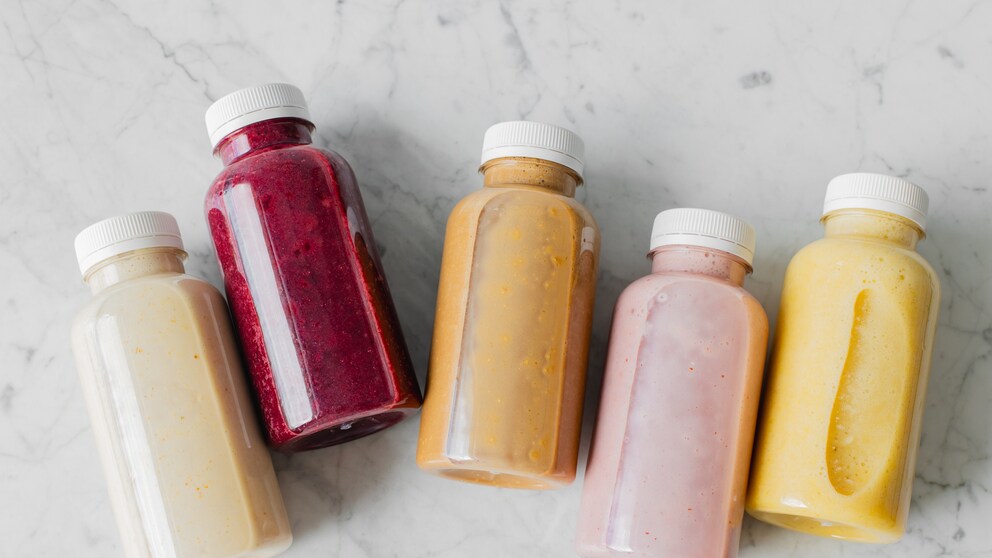
When breakfast is skipped in the morning and there’s no time for lunch, many turn to a quick solution: meal replacement drinks. They are supposed to satisfy hunger, provide nutrients, and save time. But how sensible is liquid food really? Stiftung Warentest, a German consumer organization, examined six products–with mixed results.
Follow the FITBOOK channel on WhatsApp now!
Faster than Fast Food–and Often More Nutritious
For a quick hunger fix, meal replacement drinks can be a better alternative to greasy fast food. Stiftung Warentest states: “When time is short, they are better than currywurst with fries and mayo.”1 The tested products contained vitamin and mineral levels that generally align with recommendations from professional societies. The total fat content was also within an acceptable range.
Not a Substitute for a Balanced Diet
However, Stiftung Warentest emphasizes that liquid meals based on milk, peas, or oats should not be a long-term solution. Three main criticisms argue against regular consumption.
Too Much Protein–A Strain on the Kidneys
All tested meal replacement drinks contained unnecessarily high amounts of protein, according to Stiftung Warentest. For healthy individuals, this is not problematic. However, those with already impaired kidney function should be cautious, as “too much protein can strain the organ.”
Cravings from Sugar and Sweeteners
There were also weaknesses in sugar content: Although no sugar is added to the products, the natural ingredients bring up to 30 grams of sugar per 500 milliliters. The short-chain carbohydrates they contain quickly enter the bloodstream, leading to so-called blood sugar spikes–a problem, especially for people with diabetes or prediabetes. “For them, meal replacement drinks are therefore less suitable,” say the testers.
When blood sugar levels drop again, cravings can occur. This effect may be further intensified by the use of the sweetener sucralose, which is suspected of additionally stimulating appetite.

Can a Smoothie Replace Breakfast?

Do We Need More Energy in Cold Weather?
No Feeling of Fullness Without Chewing
Another disadvantage: The act of chewing is eliminated–and with it, an important part of the natural satiety process. “Food that needs to be chewed usually keeps us full longer.” Liquid meals, on the other hand, are quickly consumed and can lead to consuming more calories overall than necessary.
Also interesting: Why you should not drink or use warm tap water for cooking
Additionally, with 400 to 515 kilocalories per serving, the products provide similar energy to a full main meal–they are anything but a small snack.
Conclusion
Meal replacement drinks can be an occasional emergency solution in a hectic everyday life and are nutritionally better than many fast food alternatives. However, they are not suitable for regular use, according to Stiftung Warentest–especially due to their high protein content, rapid sugar absorption, and lack of chewing experience.
*With material from dpa