

January 24, 2026, 1:14 pm | Read time: 6 minutes
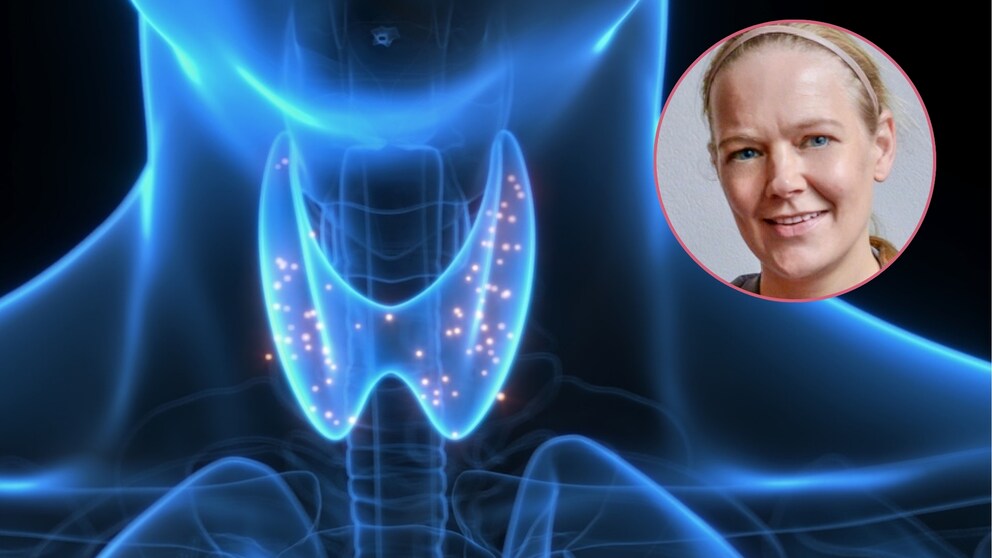
The autoimmune disease Hashimoto’s is an underactive thyroid gland. The challenge: although the insufficient hormone production can be compensated for with medication, the main problem remains: The body classifies the thyroid gland as an enemy and fights it day after day, as if the tissue were a dangerous virus. FITBOOK nutrition expert Beke Enderstein reports on what this dysregulation and all its consequences mean for everyday life. Here, she talks about the difficulties of the diagnosis.
“Hashimoto’s thyroiditis,” as the autoimmune disease is known in full, is also known colloquially as “Hashi” among those affected. The numerous symptoms result from chronic inflammation of the thyroid tissue. From listlessness and depressive moods to menstrual cycle disorders, Hashimoto’s is multifaceted. In this article, I report on my experience with Hashimoto’s, starting with the first noticeable symptoms and typical complaints, which, after some effort, eventually led to a diagnosis.
Overview of
- “Hashimoto’s” — How It All Began 15 Years Ago
- Normal TSH Range: 0.4 – 4.0 mU/l
- Intensive Hashimoto’s Research: “It’s up to the Woman”
- The Referral to a Thyroid Specialist
- Hashimoto’s Diagnosis: The Blood Results Are Finally Back
- Holistic Therapy: Micronutrients and “Self-Care “
- My conclusion as a Hashimoto’s Sufferer: Take Responsibility Yourself!
- Sources
“Hashimoto’s” — How It All Began 15 Years Ago
During a blood test as part of a health check, my GP noticed that my TSH value was in the normal range but at the upper limit. This could be a possible sign of an underactive thyroid.
TSH value: The “thyroid-stimulating hormone” value reflects the functioning of the thyroid gland. If the value is high, the blood level of the thyroid hormones T4 (thyroxine) and T3 (triiodothyronine) is too low. The reason: the hormone production of the thyroid gland is restricted (hypothyroidism). In the case of hyperthyroidism, on the other hand, the TSH values are low1
Normal TSH Range: 0.4 – 4.0 mU/l
My TSH value at the time was 4. Looking back, I know that it was very lucky that my doctor interpreted the values correctly and referred me to a specialist. I now know from numerous testimonials and research that there are many people affected who don’t experience this. Although there are clear symptoms of hypothyroidism, no investigation is carried out. Doctors refer to the normal laboratory diagnostic range. As a result, people are considered medically normal, with sometimes devastating consequences such as depression, unfulfilled desire to have children, and miscarriages.
Intensive Hashimoto’s Research: “It’s up to the Woman”
Before my appointment with the specialist, I researched the topic of hypothyroidism in detail. Many of the symptoms described, such as unexplained weight gain, hair loss, extreme tiredness, and an increased susceptibility to infections, applied to me. Not to mention the swollen eyes that had annoyed me in the morning for years. And which I preferred to hide under sunglasses. The sporadic feeling of being under the influence of sleeping pills in the morning was particularly stressful. As if my head was filled with cotton, I just wanted to crawl back into bed.
Although I was unsettled by the massive impact insufficient thyroid hormone production can have on the entire body, I was relieved at the same time. I thought I had finally found the reason for my leaden tiredness. So much in advance: the thyroid specialist was of a different opinion!
The Referral to a Thyroid Specialist
When the day came, and I went for my initial consultation, I was full of hope. I assumed that my suspicion of an underactive thyroid would be confirmed. I hoped to be able to start hormone replacement therapy to feel better again. Above all, it was important for me to finally mobilize new energy.
But then came the setback: when the “specialist” assessed my referral, including blood diagnostics, he told me that he didn’t see any need for further blood tests! After all, my TSH value was within the normal range.
When I told him that many of the characteristic symptoms of hypothyroidism applied to me and asked him to check my thyroid values in detail, he agreed to do so with “moderate motivation”.
Hashimoto’s Diagnosis: The Blood Results Are Finally Back
At the next appointment, the thyroid specialist said, “You were right; the blood analysis indicates that you have an autoimmune disease—Hashimoto’s thyroiditis.”
When I think back, I still have to shake my head. The doctor knew my symptoms, read the referral that I had hypothyroidism, and didn’t see the need to examine me more closely.
At the end of the appointment, I had an ultrasound of my thyroid gland, which showed no abnormalities. I received a prescription for the thyroid hormone L-thyroxine and was advised not to let the myriad of testimonials on the internet overwhelm me. I was due for a check-up in a few weeks to adjust the dose of thyroid hormone if necessary.

Study Proves Severe Side Effect of Thyroid Medication

What Is an Autoimmune Disease?
Holistic Therapy: Micronutrients and “Self-Care“
Although the symptoms of my hypothyroidism improved thanks to the medication, I now know, thanks to many years of experience with Hashimoto’s, that the classic conventional medical approach—prescribing L-thyroxine—is only a basic treatment approach for Hashimoto’s therapy. The reason: the medication has no influence on the inflammatory processes, but only compensates for insufficient hormone synthesis.
As I did not receive any further medical information on what other options there were to improve my health and well-being, I became a specialist in the field of Hashimoto’s thyroiditis myself. I found out that a healthy lifestyle is just as important for an autoimmune disease as supportive micronutrient therapy. I drew up my own treatment plan accordingly—based on study results and recommendations from natural medicine.
My conclusion as a Hashimoto’s Sufferer: Take Responsibility Yourself!
The experience of the challenging diagnosis made me skeptical: since then, I have questioned medical diagnoses critically and still do my own research. It was only thanks to my GP’s assumption, which is not only based on laboratory diagnostic standard values—and my persistence—that I finally had it in black and white that my various symptoms were due to Hashimoto’s.
I would therefore urge anyone who has or suspects they have an autoimmune disease to take charge of their health, seek a second medical opinion, and critically evaluate medical advice.