

August 3, 2026, 3:01 pm | Read time: 4 minutes
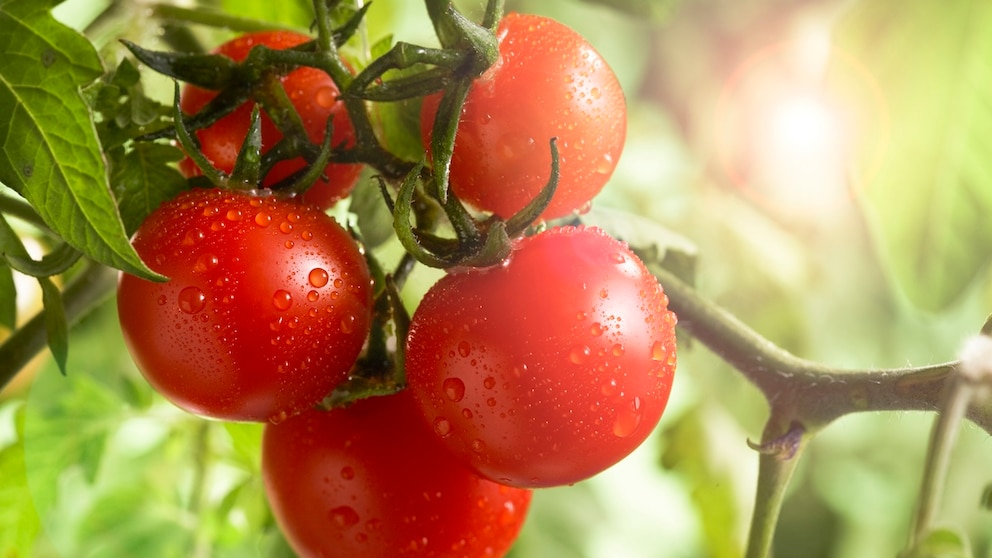
Tomatoes are among the most well-known components of the Mediterranean diet, but can they also help reduce fatty liver? Researchers from Italy explored this question in a recent study. They had people with metabolic dysfunction-associated steatotic liver disease (MASLD) eat tomatoes daily for six weeks.
Tomato Consumption Reduces Liver Fat
The participants who consumed 200 grams of raw tomatoes and 50 grams of tomato sauce daily showed a greater reduction in liver fat after six weeks compared to the control group with a tomato-free diet. This was measured using the CAP value, which assesses liver fat content.
Study Procedure
MASLD is the most common chronic liver disease worldwide and is characterized by a fatty liver. It often occurs alongside obesity, insulin resistance, and other metabolic disorders. Since the Mediterranean diet is associated with better liver health, the Italian researchers wanted to determine the contribution tomatoes can make as a single food item. The study was published in the journal “Nutrients.”1
The randomized controlled study included 79 adults with MASLD. They were randomly divided into two groups: one group ate raw tomatoes and tomato sauce daily for six weeks, while the other completely avoided tomatoes. Participants were instructed to maintain their usual lifestyle habits. Liver fat was measured before and after the intervention using a FibroScan, a painless test similar to an ultrasound. It determines how much fat has accumulated in the liver and whether the liver tissue has hardened or scarred. The examination takes only a few minutes and does not require needles or surgery.
Changes in Liver Fat Content
In the control group, the CAP value decreased by an average of 18 dB/m. In the tomato group, the decrease was almost twice as large at 35 dB/m. Statistical analyses indicated that this difference is unlikely to be due to chance. The CAP value measures liver fat content, with lower values indicating less liver fat.
Interestingly, there were no significant differences between the groups in terms of body weight, waist circumference, body fat percentage, or visceral fat. There were also no significant differences in liver enzymes, blood sugar levels, blood fats, or inflammation markers. This suggests that the observed effect was not simply due to weight loss.
The authors suspect that certain components of tomatoes, particularly lycopene and other antioxidant plant compounds, may play a role.
9 Foods That Are Good for the Liver

Mediterranean and Keto Diets Compared: Effects on Weight and Blood Pressure
Strengths and Weaknesses of the Study
The strengths of the study include the randomized controlled design, blinded liver measurements, and comprehensive assessment of body composition and metabolic values.
However, the study also had limitations: with 79 participants, it was relatively small and lasted only six weeks. Additionally, adherence to dietary guidelines was not objectively verified, and blood levels of lycopene or other tomato components were not measured. Therefore, the authors consider the results preliminary and suggest they need to be confirmed in larger and longer-term studies. The study was funded by the Italian Ministry of Health; the authors report no conflicts of interest.
Only individuals with a BMI up to 30, meaning normal and overweight individuals, were included, but not those with obesity. Since fatty liver often occurs with severe overweight, the results cannot be easily generalized to all affected individuals.
Also of interest: The effect of one avocado per day on cholesterol
What Other Studies Show on This Topic
That a Mediterranean diet can reduce liver fat was previously shown by the Israeli DIRECT-PLUS study in 2021.2 In it, 294 adults with abdominal fat or elevated blood fats followed one of three dietary guidelines for 18 months–62 percent had fatty liver at the start. Those who ate a particularly polyphenol-rich “green” Mediterranean diet with walnuts, green tea, and little red and processed meat lost about 39 percent of liver fat–almost twice as much as the classic Mediterranean group with just under 20 percent.
Specifically regarding tomatoes, an analysis of the Italian NUTRIHEP cohort provides insight from 2024.3 Among 969 participants followed between 2005 and 2016, higher intake of lycopene from fresh and cooked tomatoes was associated with a lower risk of liver disease–the researchers calculated the optimal amount to be around 9.5 milligrams per day.