

September 17, 2017, 2:20 pm | Read time: 3 minutes
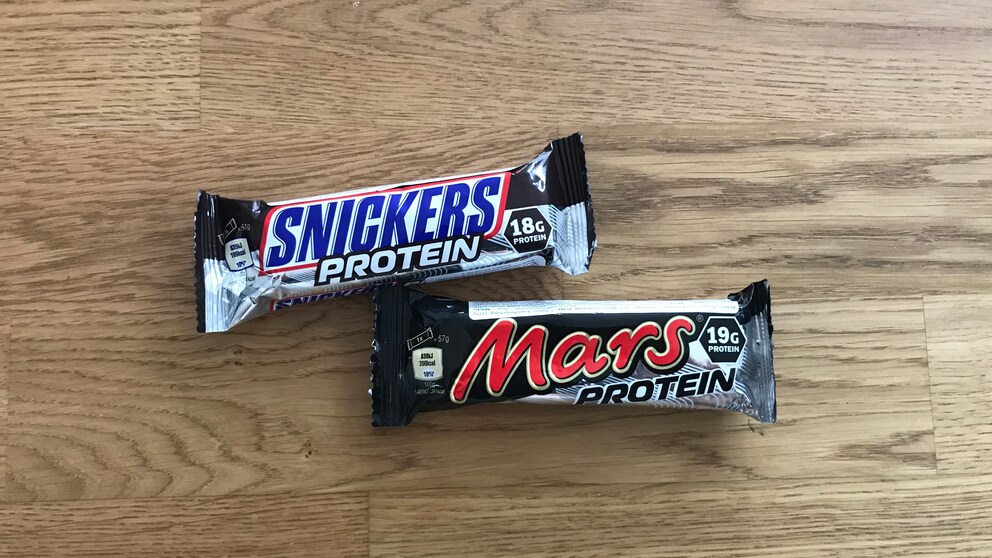
Snacking on a chocolate bar while simultaneously supplying your body with protein–that’s what Mars and Snickers protein bars promise. But does that make them healthier or better in some other way? FITBOOK asked an expert.
The chocolate bars from the confectionery manufacturer Mars, which also includes Snickers, are available with an extra portion of protein. Some chocolate fans might hope for guilt-free enjoyment–and athletes for a particularly tasty form of protein intake. However, the bars do have a catch.
Also interesting: Superfruit Black Sapote–this fruit tastes like chocolate pudding!
Hardly Fewer Calories Than the Original
We took a look at the nutritional information of the product, which the manufacturers promote as a “snack anytime.” Calorically, the protein variants are around 200 calories per bar, only slightly less than the classic version–Mars has 229 calories per bar, the original Snickers has 241. For strength athletes, however, the protein content is more important: Snickers has 18 grams (original: 4 grams), Mars has 19 grams, compared to 2.2 grams in the original. That’s substantial.
Also interesting: Why you should definitely avoid “empty” calories
The “Not suitable for vegetarians” label on the packaging is certainly confusing. This is due to the addition of “hydrolyzed collagen,” which makes up 12 percent of the ingredients in Protein Mars and 14 percent in Protein Snickers–and stands for a structural protein from animal connective tissue (!). What also doesn’t sit well with us: the presence of palm oil. This is also the case with original Mars and Snickers. Although the company committed itself in 2014 to “sustainable” palm oil sourcing, how well this can be adhered to and is even possible remains controversial.

Are Dates Really Healthy or a Sugar Trap?

Maltitol (E 965) – Origin, Calories, Benefits and Side Effects
The Catch with Mars and Snickers Protein Bars
But does more protein mean the bars are healthier? No! Dr. Dr. Michael Despeghel, a sports scientist from Konstanz, points out in a conversation with FITBOOK the nutritional information–and it becomes clear: The carbohydrate content is higher than the protein content. Mars has a hefty 22 grams (13 grams of which are sugar!), while Snickers still has 18.4 grams. The bars have more carbohydrates than protein.
According to Despeghel, the protein variants of Snickers and Mars have the same problem as most protein bars: “They fall into the indulgence category.” People eat them often for the taste and believe they are doing something good for themselves and their muscles. In reality, they are just snacking, which can lead to weight gain over time. Moreover, they don’t even provide a significant amount of protein. “Shakes contain more protein, with 30 to 40 grams per glass. And this is of higher quality for the body,” as the sports scientist and nutrition expert knows. Meaning: It can be better processed and absorbed into the muscles.
Also interesting: When is the best time for a protein shake?
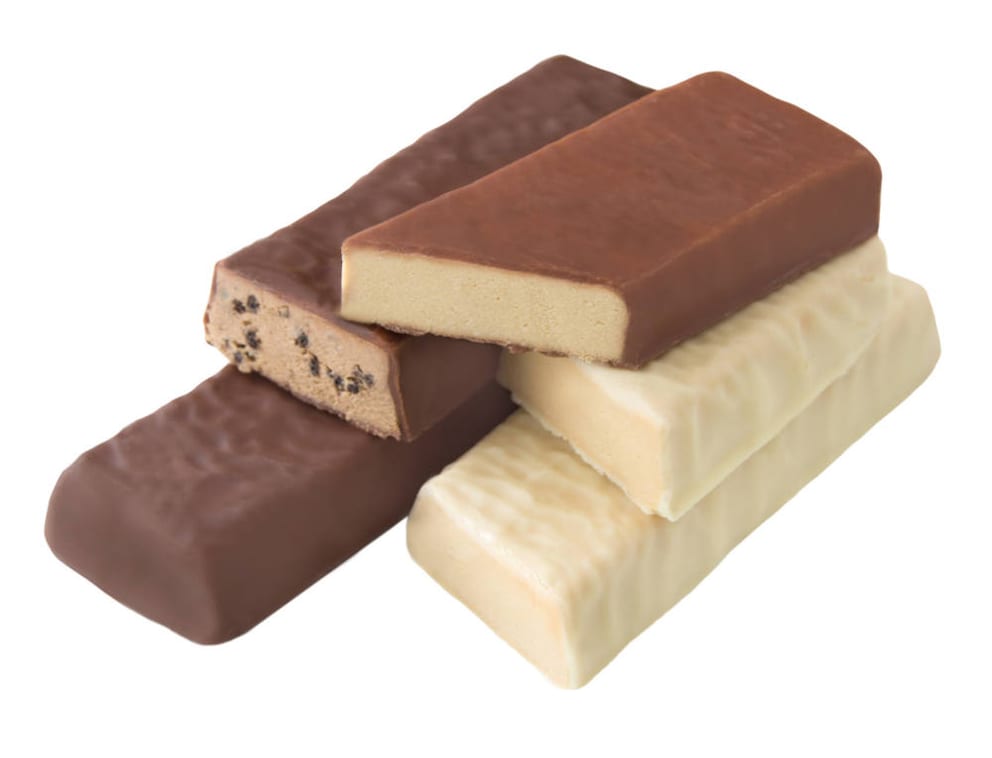
Protein Snickers or Regular Version–Insignificant for the Body
The protein versions of the popular candy bars are by no means the solution for pure enjoyment with simultaneous protein supply. But are they “better” than the original due to their protein advantage? No, says Dr. Dr. Despeghel. He recommends keeping in mind that they are not a supplement, but simply a candy. Whether you eat Snickers or Protein Snickers is completely irrelevant to the body. And: If you crave junk food, you can indulge in it consciously–Despeghel even does so himself. In the end, it’s also a question of price: While regular chocolate bars are available for around 60 cents, the protein version, available online and in fitness specialty stores, costs about 2.50 euros.