

September 29, 2020, 4:12 am | Read time: 3 minutes
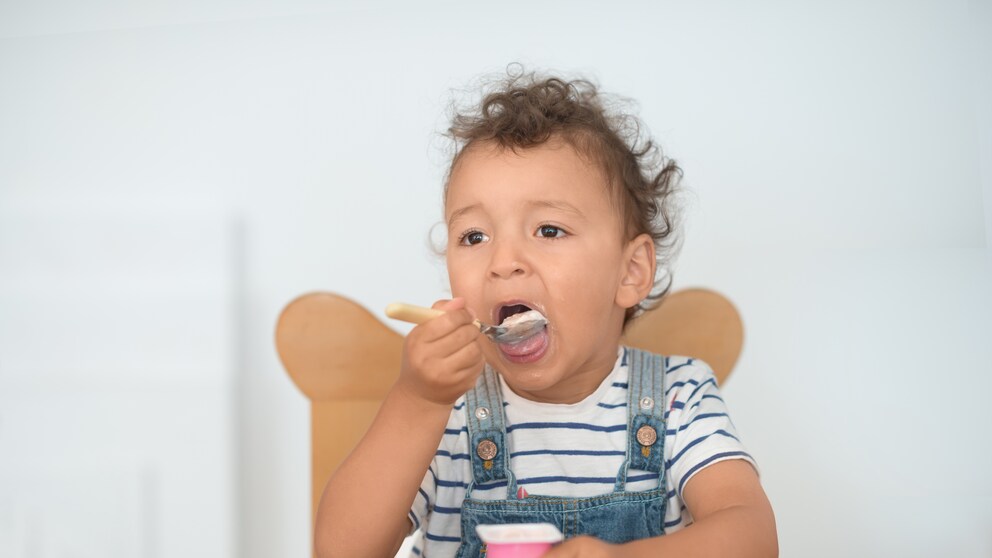
There is frequent criticism of foods specifically produced for children. Now, Stiftung Warentest has taken a closer look at a product group: children’s desserts. You can read about the test results and alternatives to ready-made desserts at FITBOOK.
Parents should not offer special children’s desserts excessively. Puddings and yogurts with toppings often contain too much sugar, fat, and calories, according to Stiftung Warentest, which also found significant differences among the desserts.
A total of 25 products were examined, and twelve of them received a “good” rating, including three puddings, one yogurt, and eight cream cheese preparations. Eight desserts were rated “satisfactory,” four received “adequate,” and one was deemed “poor.” This dessert had six times the calories, four times the sugar, and 14 times the fat compared to the best-rated dessert, reports the foundation in the magazine “test” (issue 10/2020).
Leading the children’s dessert test in terms of nutritional quality were the “Fruchtzwerge” products in the “less sweet,” “organic,” and “classic” varieties, followed by “Monsterbacke” from Ehrmann and the store brands “Fruchtjuniors” from Aldi Süd and Aldi Nord.
Prepare Healthy Children’s Desserts Yourself
Healthy alternatives that parents can quickly make themselves, as recommended by the product testers, include rice pudding or a berry yogurt without added sugar, but with half fruit and half yogurt. An apple quark made from low-fat quark, apple puree, and a teaspoon of ground almonds can also be prepared at home.
Too much sugar and fat can lead to obesity. About 15 percent of children and adolescents in Germany are affected, reports the foundation, citing the Robert Koch Institute.
Consumer advocates generally view special foods for children critically, as they often attract attention on supermarket shelves with bright colors and fun shapes. They do not contribute to a balanced diet for children, according to the Verbraucherzentrale Brandenburg (VZB).
Pay Attention to the Ingredients List When Buying Children’s Desserts
The VZB advises parents to read the ingredients list and nutritional table when shopping. This helps identify “sugar bombs” or critical additives. Too much sugar can damage teeth, and if too much citric acid is present, it can erode tooth enamel.
In a market check, the VZB also found critical additives in children’s foods. The red azo dye E122, for example, is suspected of causing allergies and affecting children’s activity and attention. Although warning labels are sometimes found on the packaging, they are easy to overlook. Consumer advocates also criticize that these products often lead parents to buy small portions with a lot of packaging waste.
Also of interest: Whole milk or low-fat milk–which is healthier for children?
Still water marketed as baby water is also unnecessary and too expensive. Tap water in Germany is of excellent quality and, according to calculations by the Verbraucherzentrale Brandenburg, is about 250 times cheaper. Boiled, it is suitable for young children. From their first year, children can also be fed a healthy and balanced diet with regular foods.