

July 5, 2026, 4:03 pm | Read time: 3 minutes
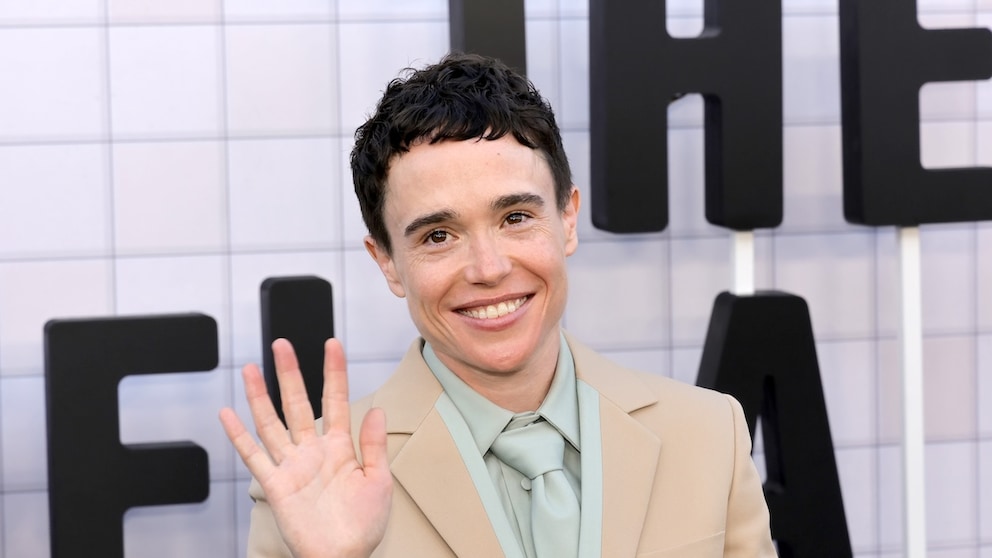
Actor Elliot Page showcased his toned body, complete with a chiseled six-pack, on his Instagram channel. Whether this is related to his role as the Greek warrior Sinon in the upcoming Christopher Nolan film “The Odyssey” remains to be seen. One thing is clear: Boxing not only builds a good body, it also strengthens the psyche.
Follow the FITBOOK channel on WhatsApp now!
Boxing Training–The New Passion
Page’s body was likely shaped primarily through boxing training. In an Instagram post, he not only shares insights into his training but also praises his trainer Nolan Hanson extensively. He describes him as a “brilliant teacher” who not only analyzes complex movements but also brings a “strategic understanding of boxing” and a thoughtful perspective on the psychological side of the sport.
The joint training has long since become “an essential part” of his life. That the sport plays such an important role for Page is unfortunately not the norm, as transgender people often face discrimination and unequal treatment in sports.1

That’s why Page’s trainer Hanson also founded “Trans Boxing” at the legendary oldest boxing gym in the U.S., “Gleason’s.” The greatest in the sport, such as Muhammad Ali, Floyd Mayweather Jr., and Mike Tyson, have also boxed there. Hanson said in an interview with Vogue that it was a way for him to give transgender people, “who have historically been largely excluded from boxing, a chance.”2

Muscles and a Six-Pack! How Ed Sheeran Lost 30 Pounds

From “Euphoria” to “Frankenstein”–Jacob Elordi’s Fitness Secret
Why You Should Box Too
Even if you’re not interested in a six-pack or improving your self-defense, boxing is still worthwhile. An analysis of 16 studies shows why: In 94 percent of the studies examined, boxing training led to less stress and improved quality of life, mood, and self-esteem.3 Additionally, boxing training usually takes place in groups, fostering a sense of community and belonging. In short, boxing trains not only the body but also the mind.
Also interesting: Fitboxing–what’s behind the intense workout
From Hater to Lover
Page wasn’t always so dedicated to training. In 2022, Page openly shared with Esquire that sports “never did him any good” before and that he could hardly motivate himself to be active before his transition.4 Instead, he described a time full of internal struggles. Intense anxiety, a difficult relationship with food, and physical exhaustion were closely tied to his then-unresolved gender dysphoria, the distress related to his gender identity.
Since his transition–the process of aligning with his gender identity–this has fundamentally changed. Sports no longer feel like a burden but pure joy. He described how training sweeps him away: the full concentration on the moment, pushing his own limits, and the feeling of becoming physically stronger. This connection between physical and psychological transformation runs like a thread through Page’s public statements in recent years, making his current enthusiasm for boxing all the more tangible.